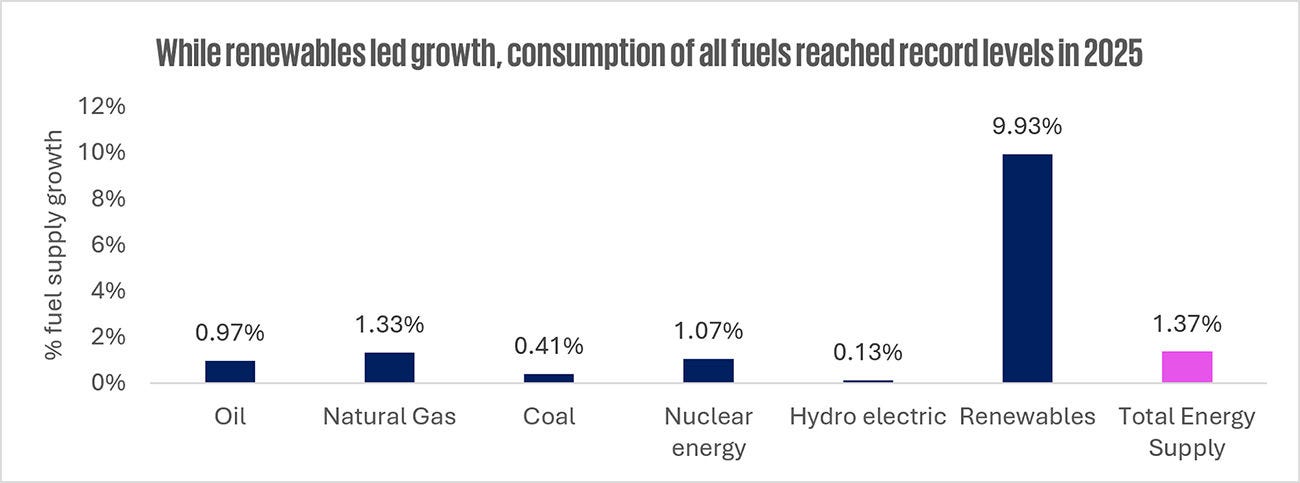
The defining energy story of the 2026 Statistical Review reflects the growing tensions between energy security, affordability, and decarbonisation, in this fragmented and increasingly volatile global energy system.
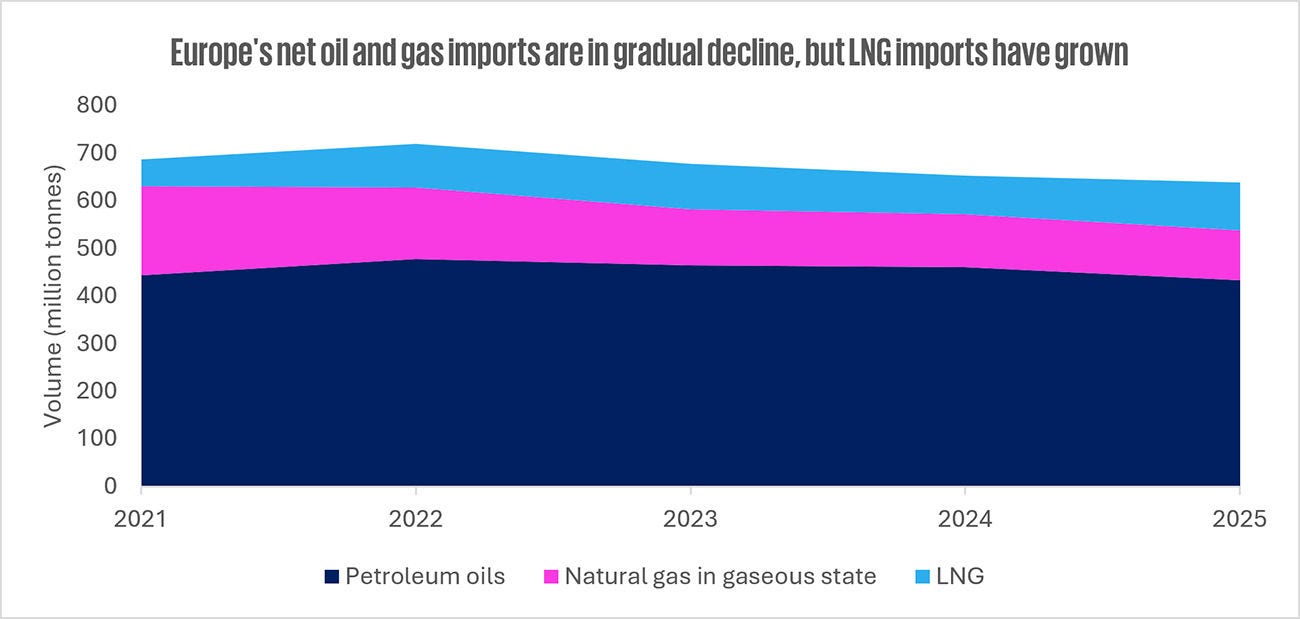
The Energy Institute's 75th Statistical Review of World Energy arrives amidst the second global energy crisis in four years. When considered alongside European Central Bank analysis which shows that the Iran conflict has, to date, had a more muted impact on energy prices than Russia’s invasion of Ukraine in 2022, the Statistical Review illustrates how exposed countries remain to severe economic disruption as a result of fossil fuel import dependency. In comparison to the major disruptions to European pipeline gas supplies in 2022, the current conflict has primarily affected global oil, refined products and LNG markets.
Greater supply chain flexibility, diversified trade routes, higher reserves and weaker demand have contributed to limiting the energy price impacts experienced to date. However, the impacts of the ongoing conflict have transmitted well beyond energy markets, with higher crude oil and refined product prices increasing transport, imported goods and oil-based home heating costs substantially. These effects have been most acute in developing, import-dependent economies with lower fiscal capacity to intervene.
The defining energy story of the 2026 Statistical Review reflects the growing tensions between energy security, affordability, and decarbonisation, in this fragmented and increasingly volatile global energy system. As total energy demand continues to rise, countries are adopting increasingly divergent, and sometimes competing, approaches to navigate this ‘energy trilemma’.
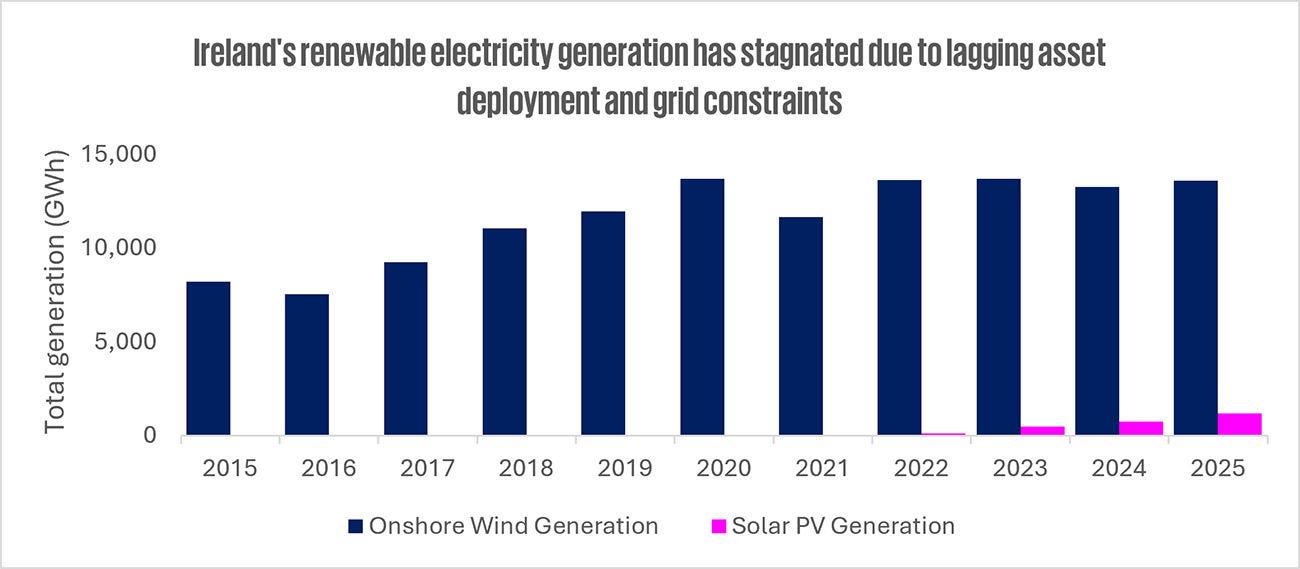
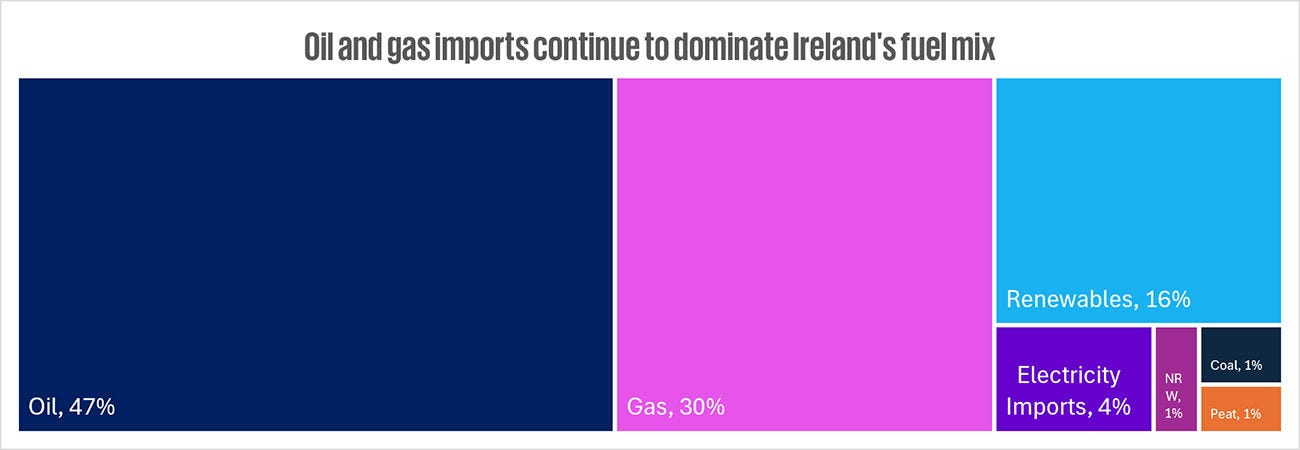
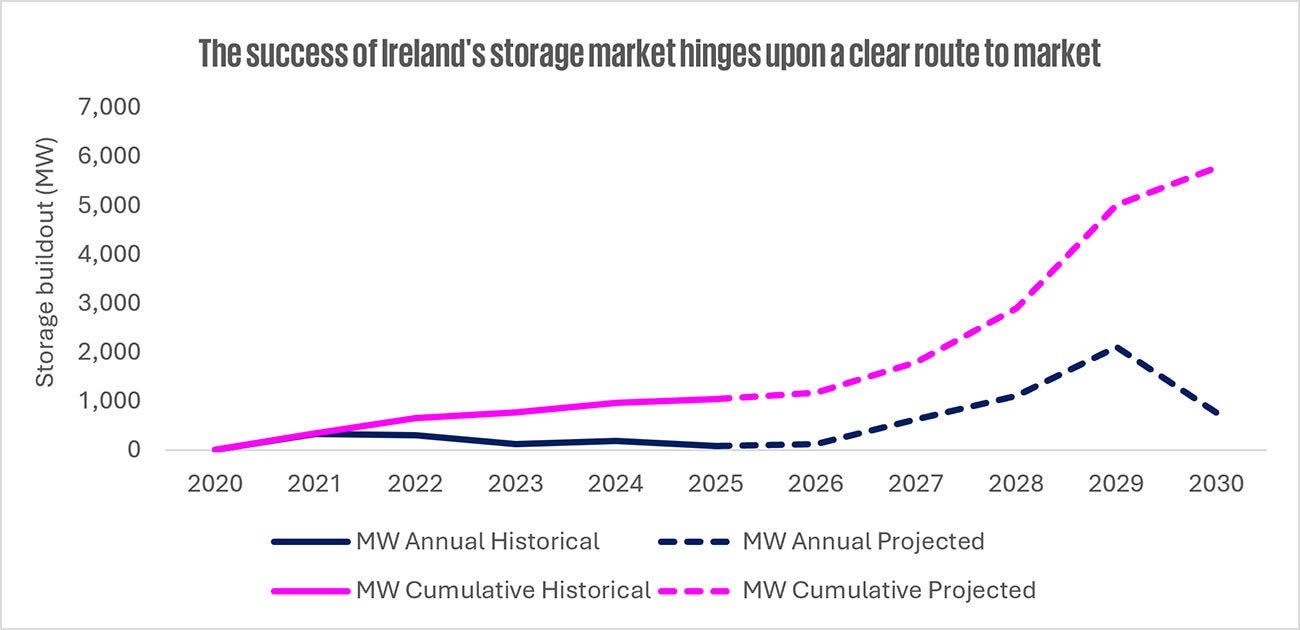
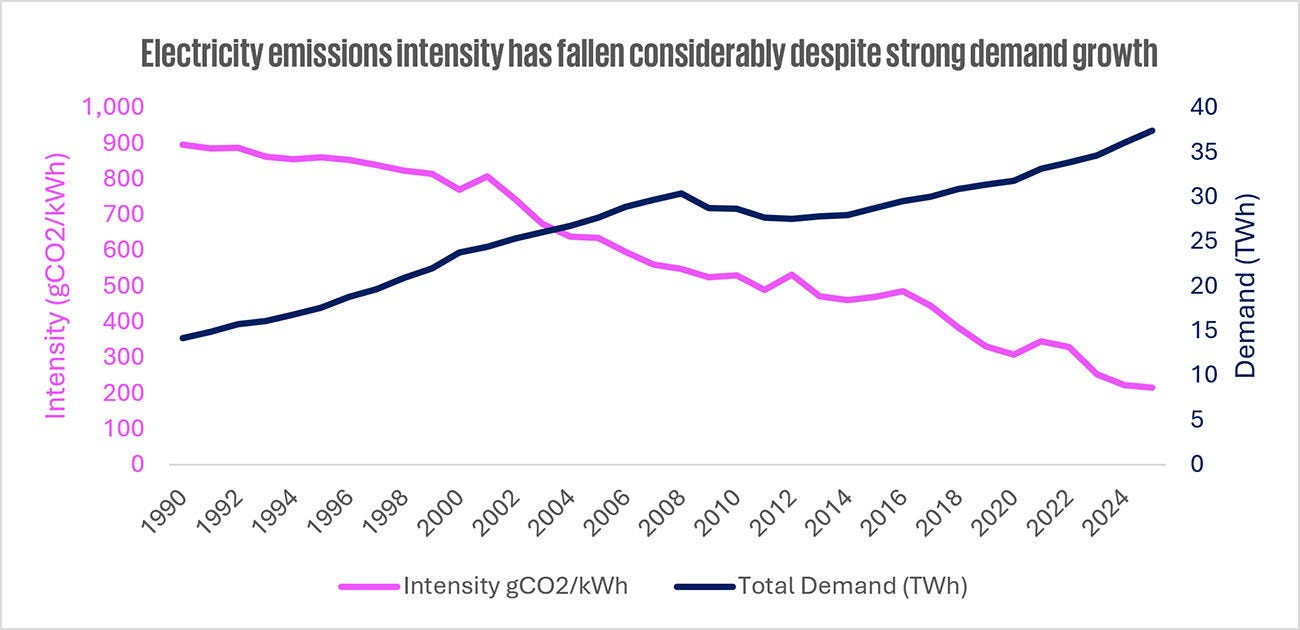
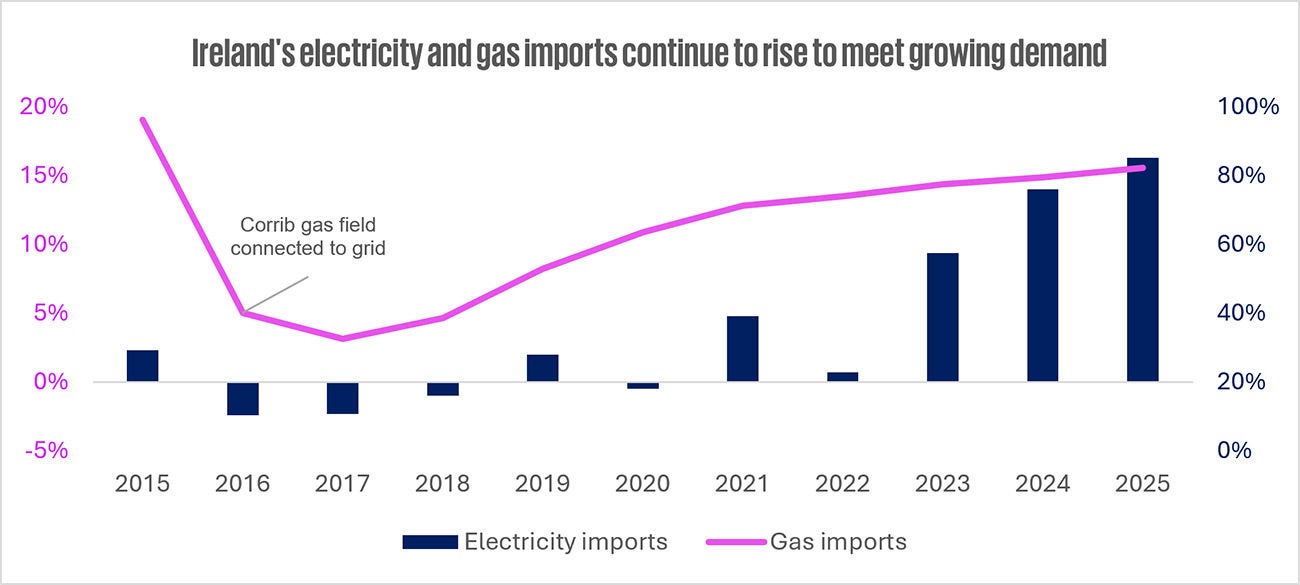
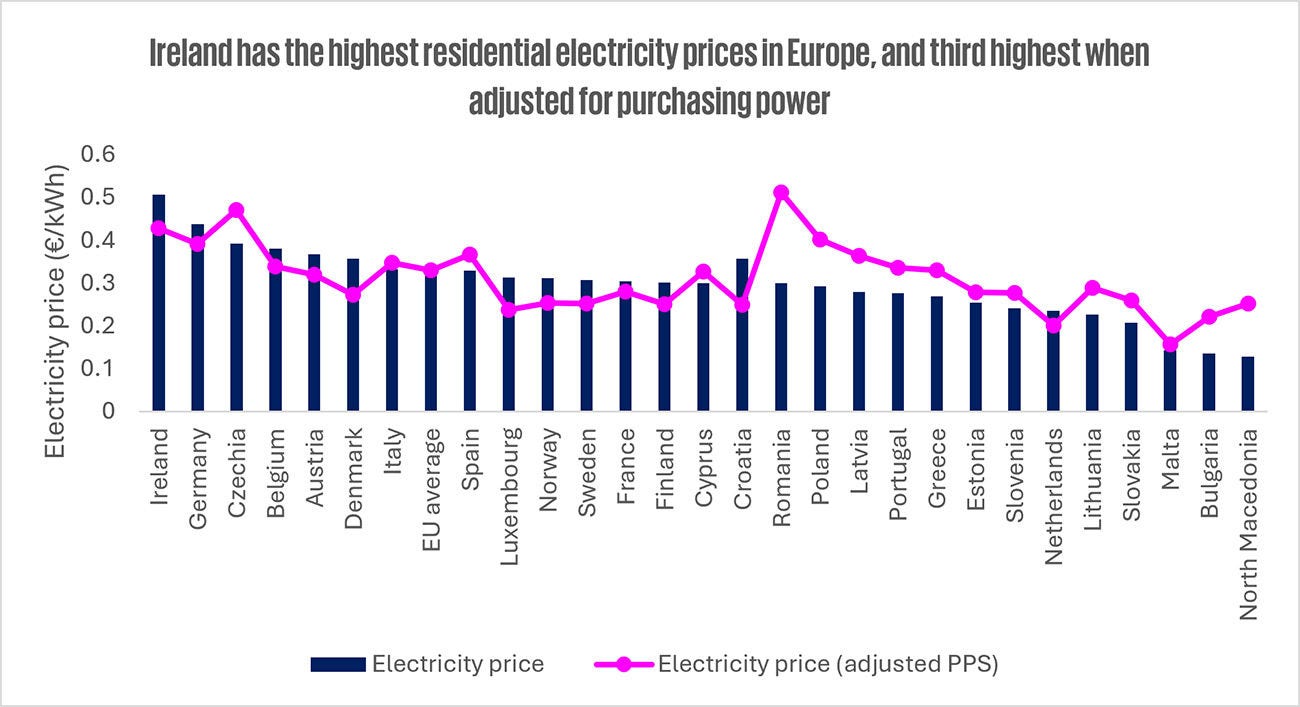
Ireland’s National Energy Balance reflects this same challenge. While renewable energy deployment continued to rise, electricity demand growth, ongoing dependence on imported fossil fuels and the need for unprecedented investment in generation, networks and flexibility placed energy security and affordability firmly at the centre of Ireland's energy transition. The 2025 data underscores a reality increasingly evident both in Ireland and internationally: progress towards net zero will depend not only on decarbonisation ambitions, but on the ability to deliver secure, affordable and resilient energy systems.