

ESG reporting often lacks the structured processes and controls that financial reporting depends on. Without these processes and controls, companies face three critical ESG reporting risks: incomplete data, inaccurate data, and inaccurate presentation and disclosure. These issues not only undermine the quality of ESG reporting but also hinder regulatory compliance and effective decision-making.
At KPMG, we help companies build robust governance frameworks with clear processes, defined responsibilities, and embedded controls, so ESG reporting is reliable, efficient, and audit-ready, while remaining future-ready.
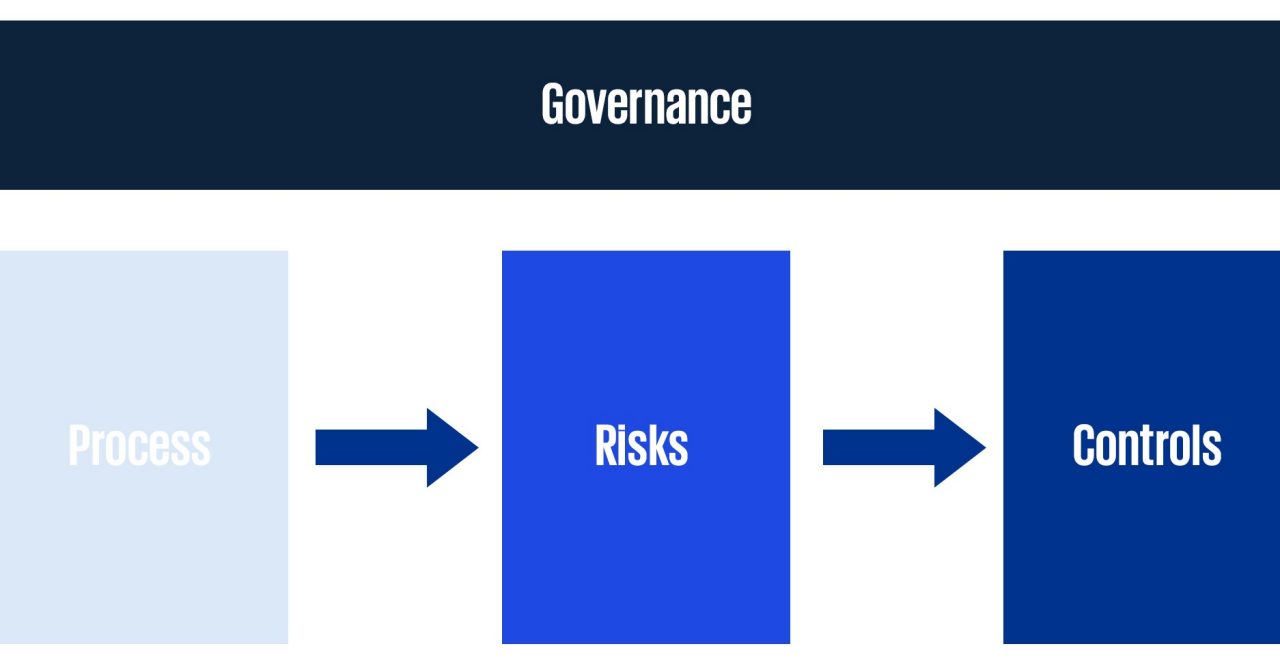

Three main ESG reporting risks typically arise across the ESG data lifecycle:
Risk 1: Incomplete data
Missing or fragmented ESG data often occurs when responsibilities are unclear or when tools are inadequate. Employees may not know what data to measure or how to measure it, leading to gaps that undermine ESG reporting integrity from the start. This risk is often driven by weak organizational structures, insufficient ESG expertise, and fragmented IT systems, combined with manual data entry processes.
How to mitigate the risk
Implement robust data collection tools, automate processes where possible, and provide clear guidance and training to ensure that all relevant ESG data is captured accurately and consistently. Our team can also guide you in selecting tools that streamline ESG reporting and improve transparency, tailored to your specific needs.
Risk 2: Inaccurate data
Even when data is collected, calculation errors or inconsistent methodologies can distort results. Manual data entry without validation checks increases the likelihood of inaccuracies, undermining the credibility of ESG disclosures. This risk typically stems from a lack of standardized processes and insufficient review and approval controls, as well as inadequate technology that fails to support automation and validation.
How to mitigate the risk
Standardize calculation methodologies, automate processes where appropriate, and embed review controls such as peer reviews and expert validation to ensure data accuracy and compliance with recognized standards.
Risk 3: Inaccurate presentation and disclosure
Misclassifying emissions or failing to meet disclosure requirements can lead to regulatory non-compliance and erode stakeholder confidence. Internally, poor presentation limits the value of ESG data for management reporting and strategic decision-making. This risk often arises from outdated reporting frameworks, unclear roles and responsibilities, and inefficient workflows that fail to keep pace with evolving ESG standards and regulatory requirements.
How to mitigate the risk
Maintain up-to-date reporting frameworks, conduct peer reviews, and regularly update methodologies to align with evolving regulatory standards and internal reporting needs.
Risk 1: Incomplete data
Missing or fragmented ESG data often occurs when responsibilities are unclear or when tools are inadequate. Employees may not know what data to measure or how to measure it, leading to gaps that undermine ESG reporting integrity from the start. This risk is often driven by weak organizational structures, insufficient ESG expertise, and fragmented IT systems, combined with manual data entry processes.
How to mitigate the risk
Implement robust data collection tools, automate processes where possible, and provide clear guidance and training to ensure that all relevant ESG data is captured accurately and consistently. Our team can also guide you in selecting tools that streamline ESG reporting and improve transparency, tailored to your specific needs.
Risk 2: Inaccurate data
Even when data is collected, calculation errors or inconsistent methodologies can distort results. Manual data entry without validation checks increases the likelihood of inaccuracies, undermining the credibility of ESG disclosures. This risk typically stems from a lack of standardized processes and insufficient review and approval controls, as well as inadequate technology that fails to support automation and validation.
How to mitigate the risk
Standardize calculation methodologies, automate processes where appropriate, and embed review controls such as peer reviews and expert validation to ensure data accuracy and compliance with recognized standards.
Risk 3: Inaccurate presentation and disclosure
Misclassifying emissions or failing to meet disclosure requirements can lead to regulatory non-compliance and erode stakeholder confidence. Internally, poor presentation limits the value of ESG data for management reporting and strategic decision-making. This risk often arises from outdated reporting frameworks, unclear roles and responsibilities, and inefficient workflows that fail to keep pace with evolving ESG standards and regulatory requirements.
How to mitigate the risk
Maintain up-to-date reporting frameworks, conduct peer reviews, and regularly update methodologies to align with evolving regulatory standards and internal reporting needs.
How we can help your company
No matter the size of your organization, whether you are fully subject to CSRD requirements or simply need or want to include an ESG section in your annual report or on your website, we can support you. Our advisory services are tailored to your specific ESG reporting needs:
For large organizations
We help design and implement robust ESG governance frameworks with clear roles, responsibilities, and controls to ensure ESG reporting meets regulatory requirements and is audit-ready.
For smaller organizations
We provide practical guidance and scalable ESG reporting solutions to make ESG reporting manageable, meaningful, and proportionate, without unnecessary complexity.
Governance, readiness, and roadmap development
We work with you to assess your ESG reporting maturity, establish governance structures, and develop a clear, actionable roadmap for improvement. This includes defining responsibilities, setting timelines, and aligning processes with regulatory and stakeholder expectations.
Integrating tools where they add value
While automation is not always necessary, we help identify and integrate ESG reporting tools that complement your governance framework and improve efficiency, only where they deliver clear value.
Audit-ready design
As an audit firm, we ensure your ESG reporting framework is designed to withstand scrutiny, with controls and documentation that make your ESG data reliable, traceable, and verifiable.
Future-ready ESG reporting
Our approach ensures your ESG reporting evolves with changing regulations, standards, and stakeholder expectations.
Other relevant services and insights


Subscribe to our KPMG insights newsletter
Turn insight into opportunity with perspectives and actionable insights on the issues shaping the future of business - from technology and transformation to transactions and financial services.