Physical AI brings artificial intelligence into the physical world: robots and intelligent machines perceive their surroundings, make decisions independently and adapt their behaviour to new situations. This opens up new opportunities for automation and value creation.

      With its strong industrial base and high level of expertise in automation, Germany is particularly well placed to harness this potential – not least to address demographic change and skills shortages. Physical AI could be on the verge of a technological breakthrough: rapid progress is enabling new applications and increasing the pressure on businesses to act.

      However, as the opportunities grow, so too do the risks and the need for change. The successful deployment of Physical AI requires not only new technologies, but also adjustments to processes, data, organisation, governance and security. Our experts support companies in creating these conditions and scaling Physical AI responsibly.


      Are you ready for Physical AI?


      Adaptive automation

      Roboterarm

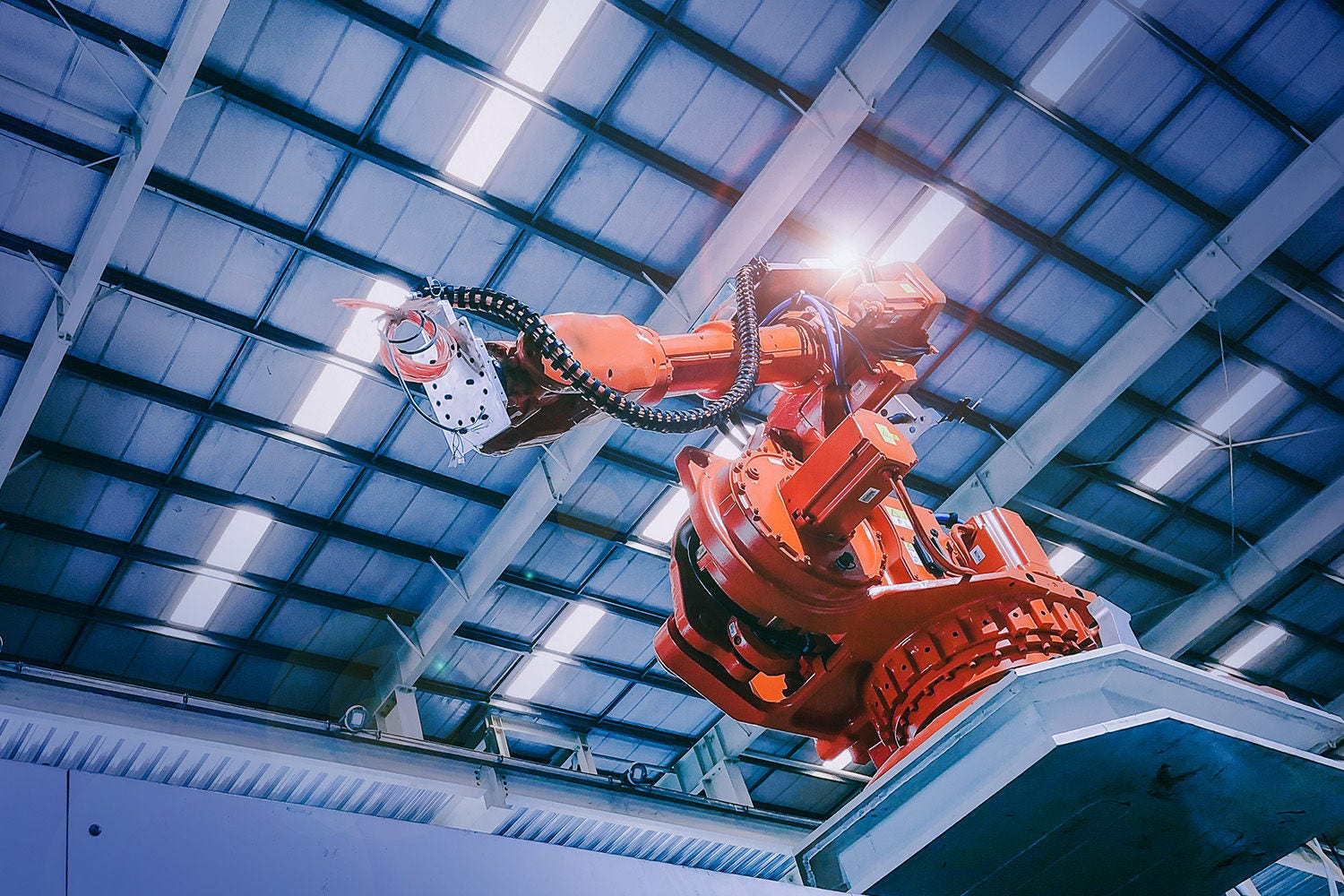
      Physical AI enables a new form of automation that is no longer based exclusively on strictly defined rules and procedures. Powerful AI models can interpret objects, situations and environments and adapt their behaviour to changing conditions.

      Modern robotic systems, sensor technology and real-time data provide the foundation for making decisions directly on site and dynamically controlling processes.

      This brings automation scenarios to life that previously required a high level of manual effort, frequent adjustments or fixed programming. Systems can respond to new product variants, changing production conditions or unforeseen events without every single step having to be defined in advance.

      Physical AI thus extends traditional automation by adding the ability to assess situations, evaluate alternatives and adapt its own behaviour to new requirements. This enables companies to design processes more flexibly, manage product variety and extend automation to areas of application that were previously only partially automatable.

      What is required to achieve this?

      • Identify suitable processes with a high degree of variation
      • Integrate machinery, sensor technology and operational data
      • Prepare robots and systems for changing situations
      • Reliably test and validate adaptation logic
      • Establish scalable operational and governance models


      From our study

      80 %

      expect the greatest productivity gains to come from fundamentally redesigning processes, rather than simply automating existing workflows.

      Autonomous material and goods flows

      Roboterarm

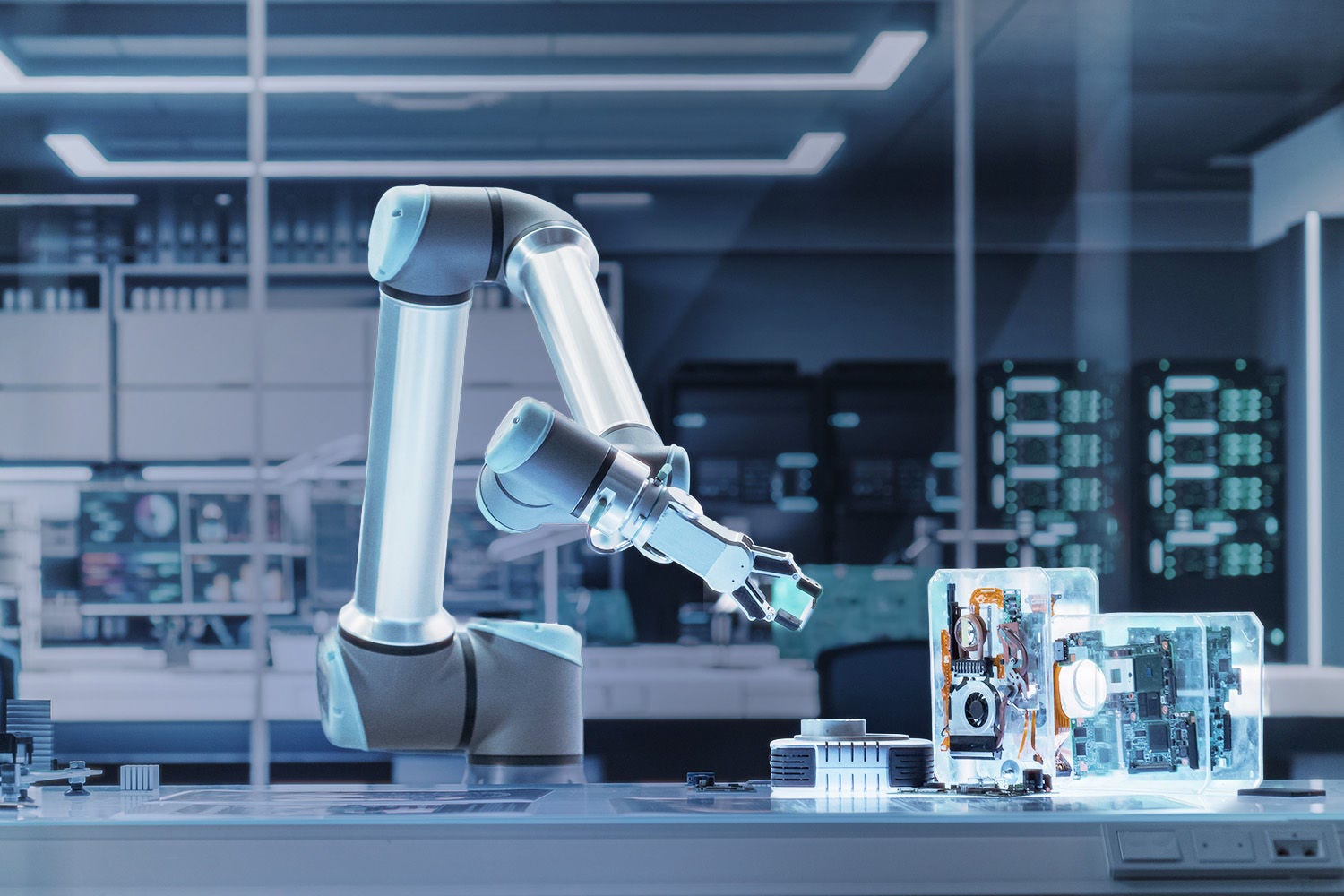
      Physical AI enables the real-time control of material movements, vehicles and equipment throughout the entire value chain. Sensor technology, AI models and autonomous systems create the conditions whereby material flows are no longer governed exclusively by fixed rules or predefined routes, but can adapt dynamically to real-world conditions.

      Autonomous vehicles, mobile robotics and intelligent logistics systems can detect changes in their environment, reassess priorities and coordinate processes in real time. This makes material movements, warehousing processes and transport tasks more flexible, robust and better suited to fluctuating requirements.

      Physical AI thus paves the way for the transition from predominantly static logistics processes to adaptive material flows that react to current conditions and can independently support or execute decisions.

      What is required to achieve this?

      • Create transparency regarding material, warehouse and process data
      • Connect vehicles, robotics and legacy systems
      • Making real-time data available and usable
      • Simulating and optimising material flows
      • Ensuring security, stability and scalability
      • Establishing governance, safety and continuous improvement


      From our study

      32 %

      see intralogistics and in-house transport as one of the areas with the greatest potential for physical AI over the next five years.

      Trainable physical systems

      Roboterarm

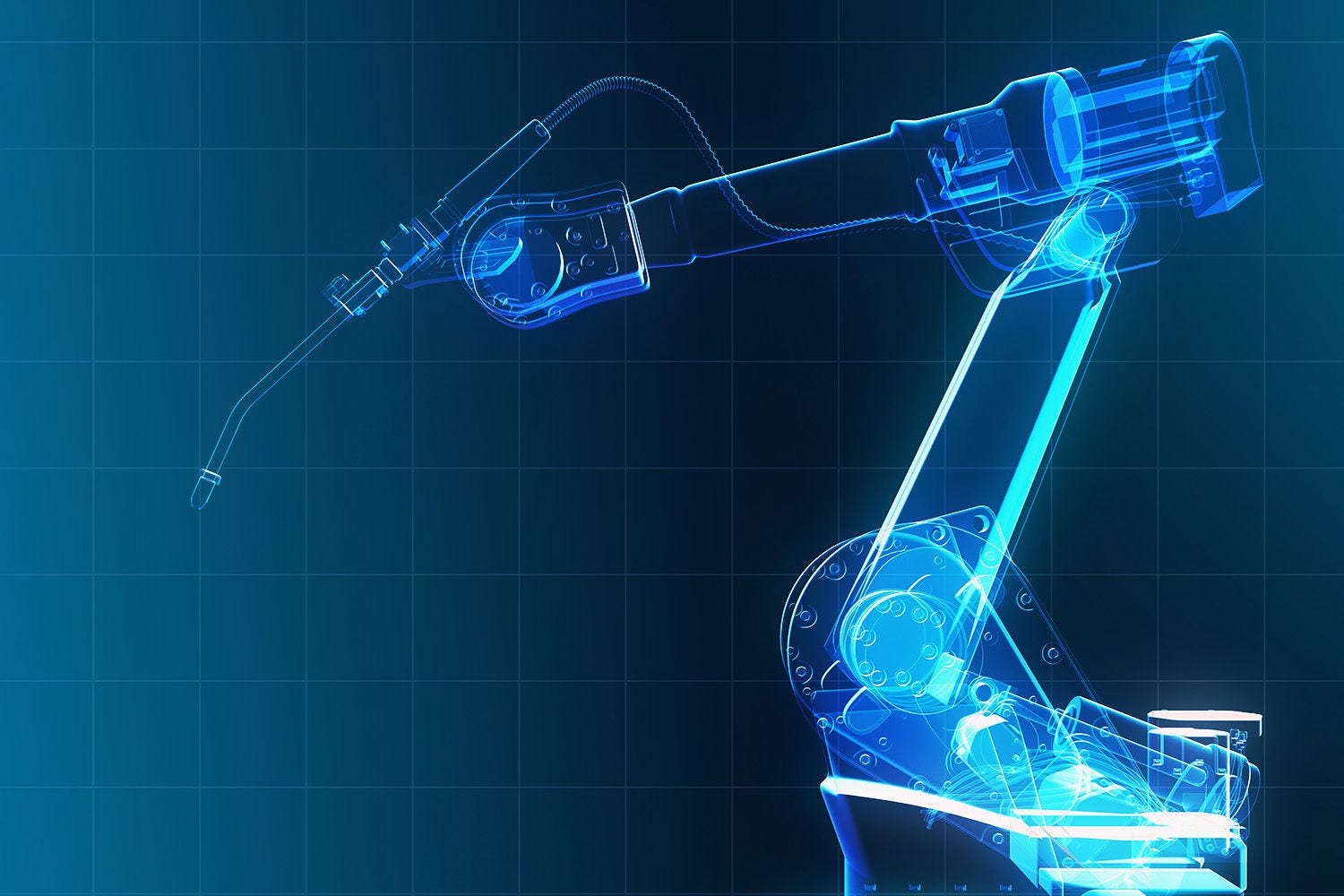
      Physical AI enables the continuous development of machines, robotic systems and autonomous installations based on simulation and operational data. Digital twins, spatial computing and virtual training environments provide the basis for testing, validating and preparing systems for new situations before changes are made in the real-world environment.

      Powerful AI models can utilise experience gained from simulations and ongoing operations to adapt their behaviour, improve decision-making processes and respond to changes in their environment. This results in systems that no longer merely execute predefined processes, but can continuously evolve and be prepared for new requirements.

      What is required to achieve this?

      • Create virtual representations of relevant processes and systems
      • Set up training and simulation environments
      • Integrate and utilise operational and sensor data
      • Validate models and transfer them safely to the real-world environment
      • Establish governance, safety and continuous improvement


      From our study

      85 %

      expect collaboration between humans and machines to increase significantly. 

      Autonomous inspection & operations

      Drone

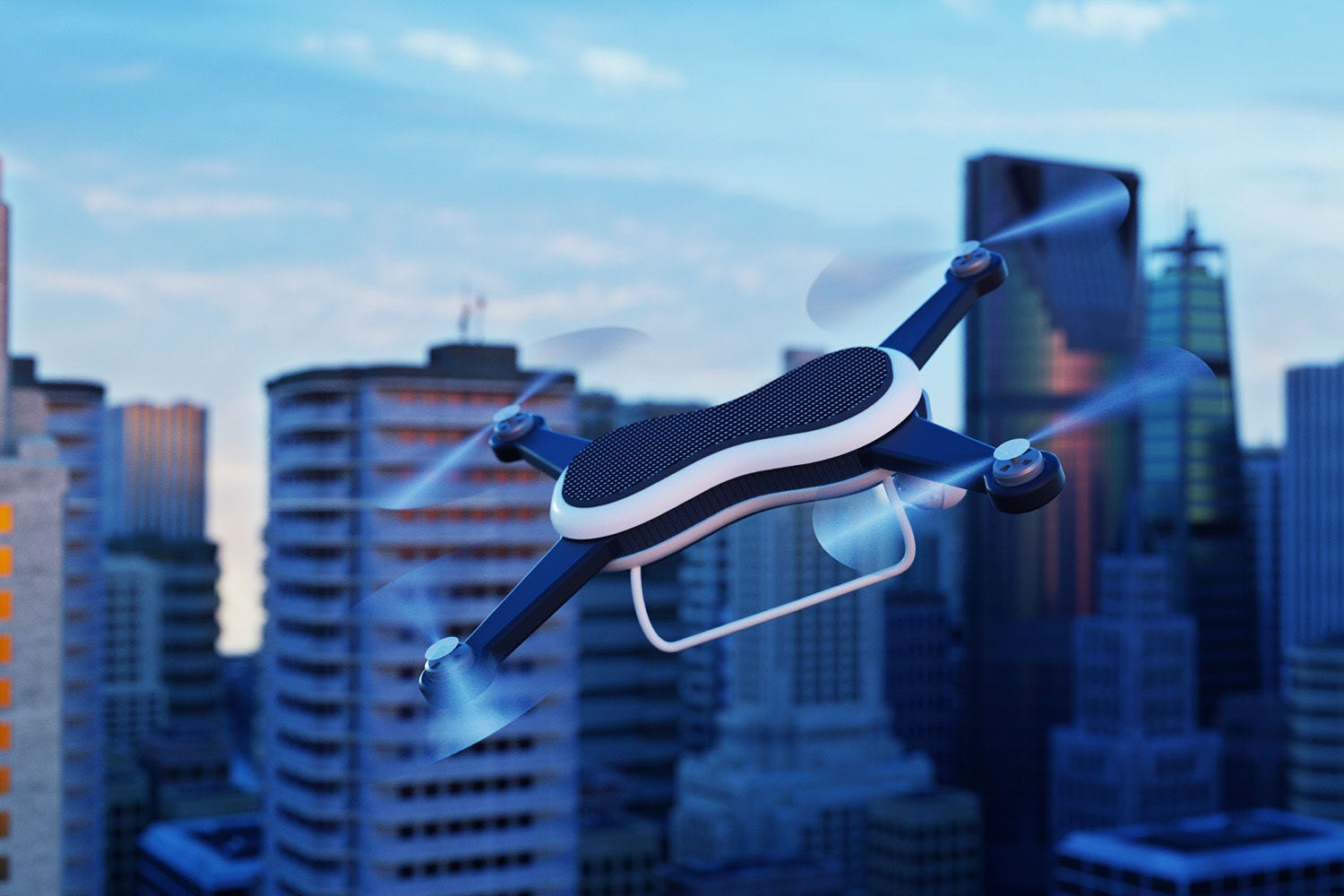
      Physical AI opens up new possibilities for working in environments that are difficult for humans to access, dangerous or associated with high risks. By combining sensor technology, robotics, AI models and autonomous systems, tasks can be carried out that were previously only possible with significant manpower or under special safety precautions.

      These include, for example, inspection and maintenance tasks on critical infrastructure, operations in industrial plants, work on energy and utility networks, or activities in areas with heightened safety or environmental risks. Physical AI systems can perceive their environment, assess situations and adapt their behaviour to changing conditions.

      Unlike traditional automation solutions, these systems do not merely follow pre-defined procedures; they can react to events, adjust priorities and make decisions autonomously within defined limits. This opens up new application scenarios in which safety, availability and efficiency can all be improved in equal measure.

      What is required for this?

      • Identify and prioritise suitable areas of application
      • Integrate robotics, sensor technology and operational systems
      • Digitally model and simulate environments
      • Train, test and validate systems
      • Take safety, compliance and governance requirements into account


      From our study

      46 %

      see quality control and inspection as one of the areas with the greatest potential over the next five years.


      From use cases to widespread adoption

      96 %

      have incorporated Physical AI into their corporate or technology strategy, but only 6 per cent have already defined measurable targets.


      73 %

      believe that, without Physical AI, Germany will suffer a further loss of international competitiveness.​


      >50 %

      expect Physical AI to be widely deployed in production within the next three years, or have already achieved this.​


      60 %

      plan to invest at least 10 million euros per year in Physical AI, integration and infrastructure.​


      Pre-order the study now

      picture_as_pdf

      Studie

      Physical AI

      Our latest study examines the current state of Physical AI in Germany. It highlights which areas of application are particularly relevant, what obstacles companies need to overcome, and how quickly the transition from initial pilot projects to widespread productive use is taking place.​


      What matters most during implementation?

      The greatest potential lies in areas where processes are labour-intensive, safety-critical, highly varied or have so far only been automatable to a limited extent. Identifying and prioritising suitable use cases forms the basis of successful Physical AI initiatives.

      KPMG provides support with:

      • Physical AI Strategy
      • Use Case Assessment
      • Business Case Development
      • Value Identification
      • Prioritisation of use cases
      • Roadmap Development
      Sascha Glemser

      Partner, Deals & Performance, Head of Enterprise Performance

      KPMG AG Wirtschaftsprüfungsgesellschaft

      Digital twins and simulation environments make it possible to test applications virtually, reduce risks and optimise solutions prior to their deployment in production. Furthermore, trainable physical systems require processes for validation, continuous improvement and safe transition to real-world operating environments.

      KPMG provides support with:

      • Digital twin strategy
      • Simulation and testing concepts
      • System training and validation
      • Pilot projects and proof of value
      • Scaling up successful applications
      Oleg Brodski

      Partner, Consulting - Intelligent Enterprise Technology

      KPMG AG Wirtschaftsprüfungsgesellschaft

      As connectivity, autonomy and physical impact increase, so do the demands placed on the protection of plant, machinery and data. Security breaches can affect not only information but also have a direct impact on physical processes.

      KPMG provides support with:

      • OT and cyber security
      • Security architectures
      • Resilience strategies
      • Security audits and monitoring
      • Incident response
      • Smart product security
      Marko Vogel

      Partner, Consulting – Cyber Security & Resilience, Head of Cyber Security & Resilience

      KPMG AG Wirtschaftsprüfungsgesellschaft

      The successful deployment of Physical AI requires new skills, role profiles and organisational structures. At the same time, the way humans and intelligent systems work together is changing.

      KPMG provides support with:

      • Workforce transformation
      • Upskilling and enablement
      • Change management
      • Operating model design
      • Organisational development
      Sascha Glemser

      Partner, Deals & Performance, Head of Enterprise Performance

      KPMG AG Wirtschaftsprüfungsgesellschaft

      The use of Physical AI can have a significant impact on tax structures, investment decisions and international value creation models. This applies to both new operating models and cross-border activities.

      KPMG provides support with:

      • Tax planning & effective tax rate
      • Permanent establishment risks
      • Business restructuring
      • Customs and export controls
      • Advice on government grants
      • ESG and environmental taxes
      • Cross-border employee activities
      Dr. Julia Bürkle

      Partner, Tax - Global Transfer Pricing Services, Regional Head of Tax Southwest

      KPMG AG Wirtschaftsprüfungsgesellschaft

      Physical AI requires the interconnection of machines, sensors, data sources and existing IT and OT systems. Only an integrated data and system landscape can lay the foundations for intelligent and autonomous processes.

      KPMG provides support with:

      • Data strategy and data architecture
      • IT/OT integration
      • Platform and architecture design
      • Data & AI enablement
      • Technology and vendor selection
      Christian Stapel

      Partner, Consulting - Intelligent Enterprise Technology, Solution Line Lead

      KPMG AG Wirtschaftsprüfungsgesellschaft

      Physical AI raises numerous regulatory issues. These include, amongst others, requirements under the EU AI Act and the EU Data Act, liability issues, product safety, and the implications for employment law arising from the use of robotics and AI.

      KPMG provides support with:

      • AI Act Readiness
      • Data Act & Data Governance
      • Liability and contractual issues
      • Employment law issues
      • Compliance & Regulatory Assessments
      Francois Heynike
      François Heynike *

      Partner

      KPMG Law Rechtsanwaltsgesellschaft mbH


      Current insights

      Our experts for your transformation projects

      Artificial intelligence is becoming a strategic necessity: here are the key trends and insights.

      Increase productivity and efficiency, optimise processes: Transform your company with reliable AI solutions

      Physical AI: What the new era of robotics means for businesses

      We combine five key factors to navigate through the complexity and successfully shape your digital future

      From Investment to Business Success: How Smart Networks Create Sustainable Value for Companies.

      The focus is on AI agents, new customer journeys, the biggest hurdles to scaling AI, and the question of how marketing and sales organisations will operate in a few years’ time.

      The TMT Monitor 2026 analyses current trends in the technology, media and telecommunications sector.


      Your contacts

      Dr. Ladislava Klein

      Member of the Managing Board, CMO, Head of Family Businesses

      KPMG AG Wirtschaftsprüfungsgesellschaft

      Dr. Alexander Ebering

      Regional Head Southwest

      KPMG AG Wirtschaftsprüfungsgesellschaft

      *In collaboration with KPMG Law Rechtsanwaltsgesellschaft mbH, your contact person is available to assist you. The legal services are provided by KPMG Law Rechtsanwaltsgesellschaft mbH.