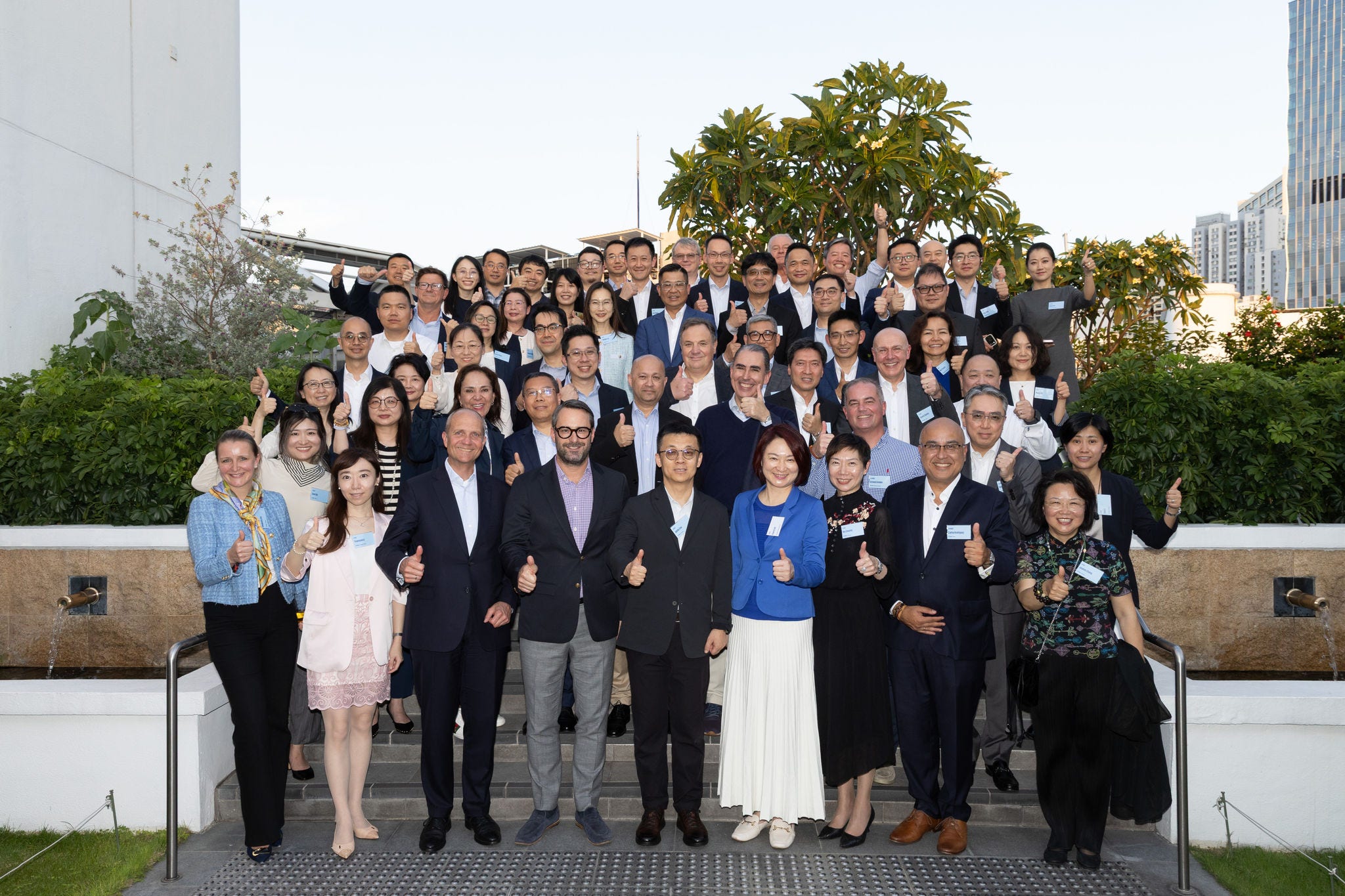
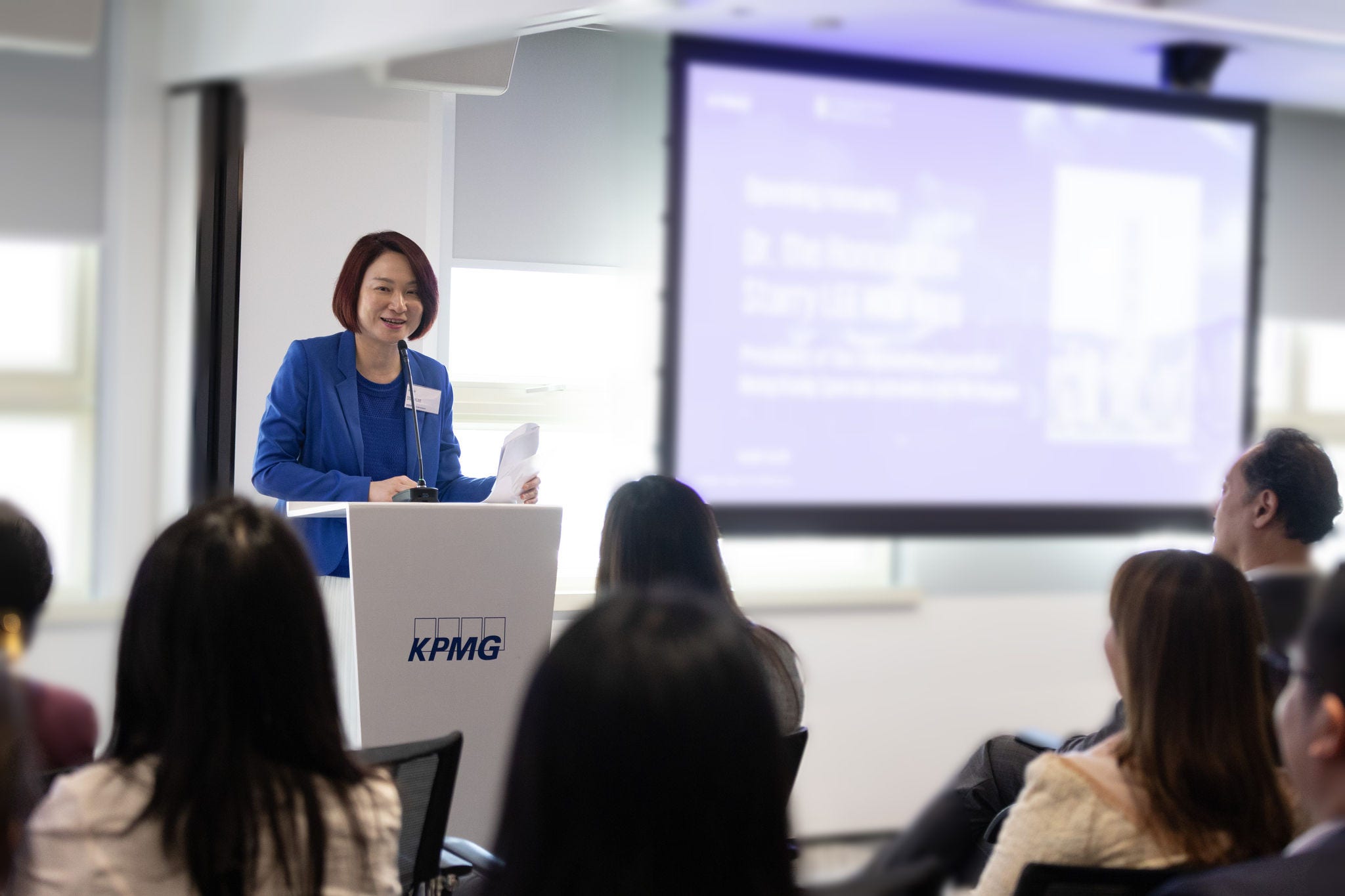
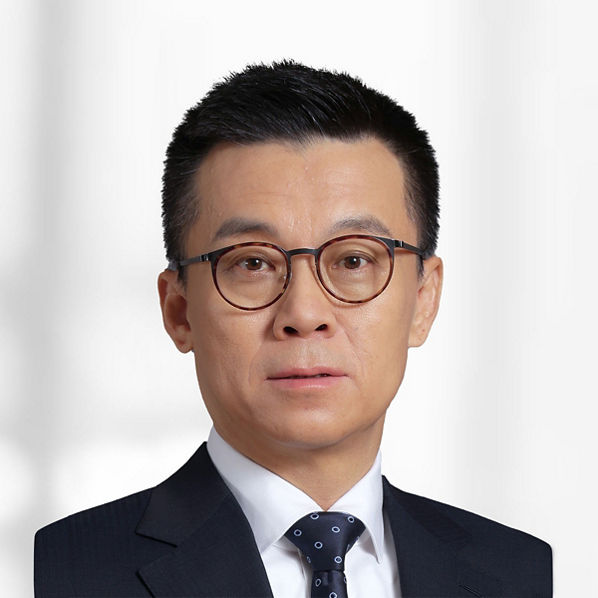
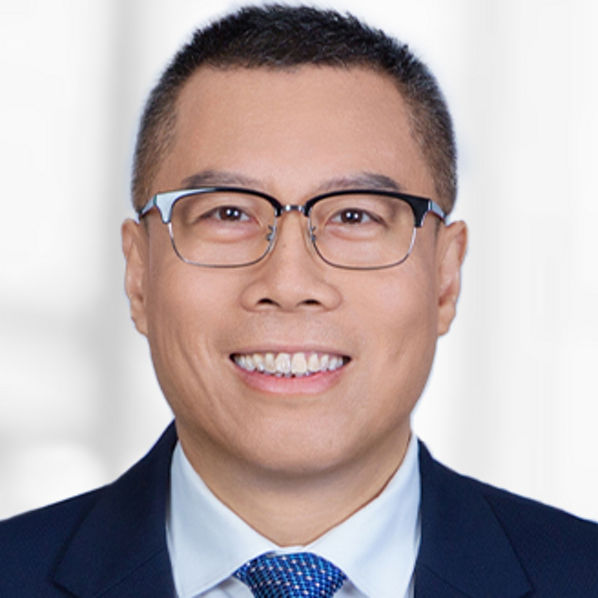
Shenzhen is widely recognised as a global centre for technology and innovation, and in recent years, many of its enterprises have built strong international reputations, becoming leaders in their fields. The manufacturing clusters in the Pearl River Delta surrounding Shenzhen are also home to many companies actively going global. KPMG China has supported many enterprises from this region in their international expansion journeys. As such, Shenzhen was selected as a key stop for this year’s outbound investment series, with a full-day programme of seminars hosted at KPMG’s Shenzhen office where Curtis Ng, Vice Chairman and Senior Partner of Southern Region, KPMG China, delivered a welcome speech.
On the morning of 8 May, the North America Investment Seminar, covering the United States, Canada and Mexico, attracted nearly 100 corporate representatives. Experts from KPMG’s financial, tax, trade and customs, and investment incentives policy teams in China, the United States, Canada and Mexico delivered presentations both in person and online. They provided attendees with an overview of the current state and expected trajectory of trade and investment in North America, as well as its implications for Chinese enterprises investing in the region. Presentations were delivered by Harry Zhang, Head of Trade and Customs Services, KPMG China; Rui Fan , Principal, Head of China Business, KPMG US; Shel Shi, Managing Director, Tax credits, KPMG US; Jon Hung, Director, Accounting Advisory, KPMG US; Lyndon Fung, Partner, Head of China Business, KPMG Canada; Simon Chen, Partner, Tax, KPMG Canada; and Dr. David Zou, Vice Chairman and Secretary-General, Smart Capital Club. The experts also provided in-depth analyses of key topics of interest to Chinese investors, including the challenges posed by U.S. tariffs and trade policies and strategies for corporate response: investment site selection and available incentive mechanisms; opportunities and challenges for new energy enterprises investing in the United States and Canada; the investment outlook for Chinese enterprises in the U.S. high-tech and energy sectors; developments in the U.S. capital markets; and overcoming common operational issues.
Two seminars focusing on China’s outbound greenfield investment were also successfully held. The first session focused on Southeast Asia. With its geographical advantages, demographic dividend and strong economic growth potential, Southeast Asia has become a key frontier for Chinese enterprises’ global expansion—from new energy vehicles to textiles and machinery manufacturing. Greenfield investments are not only driving regional economic growth but also injecting momentum into the Belt and Road Initiative.
Experts from KPMG Singapore, Malaysia, Indonesia, Vietnam, Thailand and Cambodia shared insights on key issues impacting Chinese investment in their respective markets.
Leo Yang, Partner, Tax, Head of SG-CN Investment Corridor (Tax), KPMG Singapore, highlighted how Chinese enterprises can leverage Singapore’s tax advantages as a strategic platform to expand into Southeast Asia and global markets. Mah Chun Wai, Senior Director, and Yap Suet Mei, Manager, Investment and Tax Incentives, KPMG in Malaysia, introduced investment landscape in Malaysia, as well as the newly launched New Incentive Framework (NIF) designed to attract investment with high value, high impact, and high growth. Susanto Yeo, Partner, Head of Clients and Markets, Head of China Business Practice, KPMG Indonesia, outlined the incentive policies available to Chinese enterprises investing in Indonesia, and highlighted key considerations in relation to tax refund processes in practice. Low Read Learn, Head of China Practice, KPMG in Thailand, shared the latest investment trends and developments in incentivised industries in Thailand, as well as key issues faced by Chinese enterprises, including certificates of origin, transfer pricing, and other tax matters, together with corresponding approaches. Fang Kun, Director, Mainland China Desk, Tax and Legal, KPMG in Vietnam, provided a comprehensive overview of Vietnam’s recent and upcoming key tax law updates, and analysed their implications for multinational groups and foreign investors, including Chinese enterprises. Yuan Xue, Associate Director, China Desk, KPMG in Cambodia, introduced Chinese investment landscape and trends in Cambodia.
Following the keynote presentations, Haitao Yu, Director, Business Development, KPMG Indonesia, moderated a roundtable discussion, during which experts from Southeast Asia further engaged with participants on specific issues of concern to Chinese enterprises.
The second greenfield investment seminar focused on Europe. Across key priority sectors in Europe—such as electric vehicles and batteries, renewable energy, and data centres—many countries are offering new investment opportunities, attracting Chinese enterprises to establish local operations and deepen localisation strategies. KPMG’s European experts shared detailed insights on these developments.
Andreas Glunz, Managing Partner, International Business, KPMG Germany and Head of Greenfield Investment Hub in KPMG EMA, and Xiaodan Wang, China Business Development Lead, International Business, KPMG in Germany, shared the latest developments of Chinese enterprises operating in Germany and provided forward-looking insights into investing in the country, including how Germany’s transformation and regulatory updates are creating new greenfield investment opportunities. David Slater, Head of International Business, KPMG UK and Matt Jackson, Head of UK-China Business, KPMG UK, provided an overview of Chinese enterprises’ investment activities in the UK, highlighting synergies between the 15th Five-Year Plan and the UK’s own Modern Industrial Strategy where opportunities exist for future Chinese investment into the UK, including investment opportunities and successful cases in sectors such as new energy, fintech, and e-commerce. David Hohn, Head of China Business, KPMG Spain, Jose Antonio, Tax Partner, KPMG Spain, and Ignacio Crespo, Partner, Consulting, KPMG Spain, introduced Spain’s economic trends, recent greenfield investment developments, opportunities in the automotive and energy sectors, and key tax and business considerations. Ping Jiang, Partner, Head of China Practice, KPMG France, analysed industry developments and the investment environment for electric vehicles and batteries in France. Jacques Bortuzzo, Managing Director, Head of China Practice, KPMG Luxembourg, introduced Luxembourg’s strengths as a financial centre and gateway to Europe, as well as the investment ecosystem supporting Chinese enterprises, including Chinese banks. Arnoud Greebe, Partner, Head of China Practice, KPMG the Netherlands, outlined the Netherlands’ business and innovation environment, key sectors of advantage, and compliance requirements for operating in the country.
During the Shenzhen leg of the programme, with the invitation of KPMG’s strategic partner Tencent Cloud, KPMG overseas representatives visited Tencent’s headquarters at the Binhai Building in Shenzhen. KPMG established a strategic partnership with Tencent Cloud five years ago, working together to help enterprise clients build comprehensive digital capabilities. Today, digitalisation has become a critical foundation for companies expanding globally and a key factor influencing the success of outbound investment and localisation. During the visit, Tencent experts and KPMG overseas representatives engaged in in-depth discussions on how digital technologies can empower enterprises in their global expansion journeys. At the meeting, Mr. Richard Zhang, Vice President of Tencent Cloud and Head of Ecosystem, delivered the welcoming speech. He stated that Tencent Cloud's business footprint covers five major continents in the world, maintaining a leading position in cloud computing, data security, and AI foundation models, serving as a solid technological foundation for both Chinese and foreign enterprises going global. KPMG GCP brings together global professional expertise, focusing on assisting Chinese companies expanding overseas and foreign companies entering China, with strong global resources in strategic consulting, cross-border compliance, and financial and tax risk management. Complementing each other's strengths, the two parties have formed a comprehensive global service capability matrix.