26 February 2026, Hong Kong (SAR), China ("Hong Kong") – KPMG welcomes the Hong Kong SAR Government’s Budget, which marks a return to fiscal surplus and a renewed commitment to prudent fiscal management, competitiveness and long-term economic resilience.  The Budget aligns closely with national development priorities and responds to global economic pressures by prioritising AI, talent and industrial development. Together, the measures support Hong Kong’s transition to high-quality, innovation-led growth and reinforce its position as an international financial, business  and innovation centre.

      Supported by stronger stamp duty and profits tax revenue, the Government forecasts a consolidated surplus of approximately HK$2.9 billion for 2025-26, reversing the previous fiscal deficit. The strategic use of bond issuance to fund long-term infrastructure and development projects reflects a balanced approach that maintains fiscal discipline while supporting future investment needs. Fiscal reserves are projected to reach approximately HK$657.2 billion as of the end of March 2026. In terms of the economic outlook, real GDP growth for 2026 is forecast to range from 2.5% to 3.5%. KPMG notes that reserves remain at a structurally healthy level to support Hong Kong’s long-term development needs.
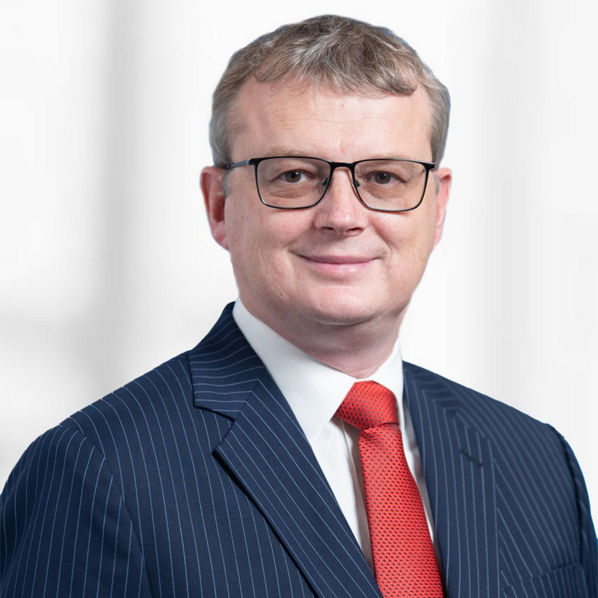


      譚培立(John Timpany) John Timpany, Head of Tax in Hong Kong SAR, KPMG China, states:
      开引号

      We are pleased to see the Hong Kong SAR Government return to a fiscal surplus. This Budget sets out a clear vision for technology-driven growth, particularly through the active promotion of AI research into practical productivity gains through collaborative R&D. Supported by Hong Kong’s well-established financial system, greater use of AI will help businesses modernise and improve operational efficiency.

      关引号

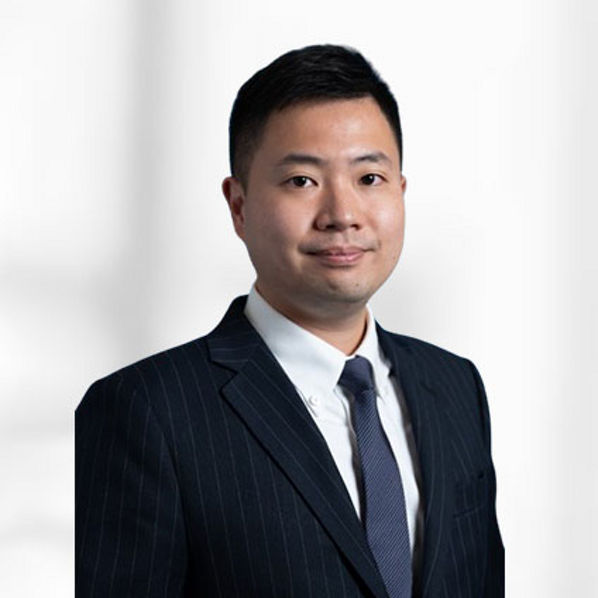
      何家輝 Stanley Ho, Tax Partner, KPMG China, comments:
      开引号

      The Budget’s measures to strengthen corporate treasury centres (CTCs) and international trading functions are strategically important. As a ‘springboard’ for Chinese Mainland enterprises expanding overseas and for multinational corporations entering the Asian market, Hong Kong’s role continues to grow. We welcome the Government’s enhancements to the tax regime for CTCs and the proposed reforms supporting Hong Kong as a regional intellectual property (IP) trading centre, which will attract more companies to establish operations in Hong Kong. The introduction of preferential policy packages to promote industries and investment, as well as the establishment of an Advisory Committee on Tax Policy will also support steady and sustainable economic development.

      关引号

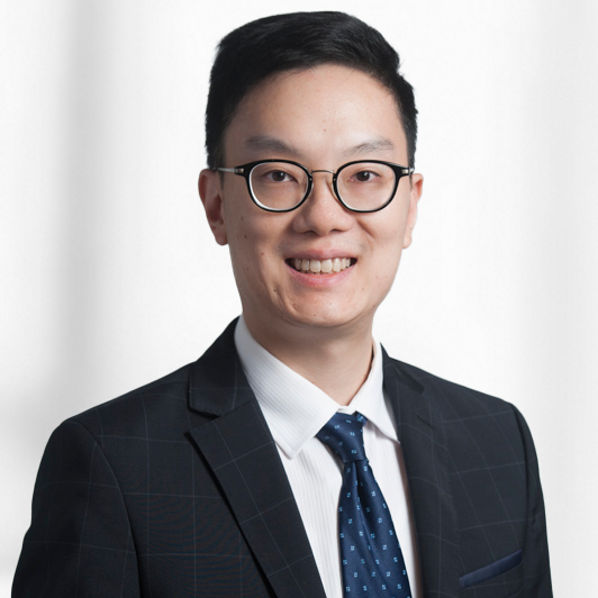
      梁愛麗 Alice Leung, Tax Partner, KPMG China, says:
      开引号

      Enhancing tax concessions for funds and family offices and expanding the definitions of eligible investment categories are fundamental to strengthening Hong Kong’s position as a leading wealth and asset management hub. We welcome the Government’s efforts to attract family offices and encourage greater asset diversification. At the same time, we suggest accelerating the relevant legislative process and granting stamp duty exemptions for asset transfers by high-net-worth individuals to their family-owned investment holding vehicles. These targeted measures would enhance Hong Kong’s competitiveness among ultra-high-net-worth individuals.

      关引号

      李智深 Chi Sum Li, Head of Government & Public Sector in Hong Kong SAR, KPMG China, says:
      开引号

      We support the Government’s continued development of the Northern Metropolis, which represents not only an important driver of Hong Kong’s future economic growth but also a strategic blueprint for industrial development. The Northern Metropolis will inject substantial new economic momentum locally and help shape a ‘South-North dual engine’, combining financial services with innovation and technology. By accelerating the development of the Northern Metropolis and adopting a diversified range of financing strategies, the Government is making more effective use of fiscal resources, safeguard the delivery of major projects, and providing a strong foundation for Hong Kong’s long-term prosperity.

      关引号

      In addition, the Government has reserved 32 hectares of land in the Hung Shui Kiu/Ha Tsuen New Development Area to develop a modern logistics cluster, and will provide HK$10 billion in loans to support the development of the Northern Metropolis University Town in that area. This initiative intends to strengthen connection with the Qianhai Co-operation Zone, support Hong Kong’s development into an international education hub for high-end talent and support economic development.

      Regarding livelihood support measures, KPMG notes that the Budget proposes a number of tax relief initiatives. From the 2026-27 year of assessment, the basic allowance and single parent allowance will increase from HK$132,000 to HK$145,000, while the married person’s allowance will rise to HK$290,000, benefiting more than 2 million taxpayers. The child allowance and additional child allowance will be increased to HK$140,000 per child. Allowances for maintaining a dependant parent or grandparent aged 60 or above, and those aged 55 to 59, will be raised to HK$55,000 and HK$27,500 respectively, with corresponding increases in additional allowances for co-residence. 

      The deduction ceiling for elderly residential care expenses will be increased to HK$110,000, helping to ease the burden on families caring for the elderly. Salaries tax and tax under personal assessment will also be subject to a one-off 100% reduction, capped at HK$3,000. As the basic allowance, single parent allowance and married person’s allowance have not been adjusted for many years, the increases will help alleviate taxpayers’ burden. Moving forward, KPMG recommends that allowances be reviewed with reference to the Consumer Price Index to ensure tax policy reflects the practical needs of the public.


      -Ends-


      Highlights and KPMG's commentary on the Hong Kong Budget

      Media inquiries:

      Isis Wong
      Direct: +852 3927 5810
      Email: iw.wong@kpmg.com

      Carrie Wong
      Direct: +852 3927 5636
      Email: cy.wong@kpmg.com

      Zoey Zhang
      Direct: +852 2978 8284
      Email: zoey.q.zhang@kpmg.com

      Francis Lee / Cynthia Chan
      Direct: +852 9631 7010 / +852 9496 3134
      Email: hkg.kpmg@fleishman.com


      Find out how KPMG's expertise can help you and your company.


      About KPMG

      KPMG in China has offices located in 31 cities with over 14, 000 partners and staff, in Beijing, Changchun, Changsha, Chengdu, Chongqing, Dalian, Dongguan, Foshan, Fuzhou, Guangzhou, Haikou, Hangzhou, Hefei, Jinan, Nanjing, Nantong, Ningbo, Qingdao, Shanghai, Shenyang, Shenzhen, Suzhou, Taiyuan, Tianjin, Wuhan, Wuxi, Xiamen, Xi'an, Zhengzhou, Hong Kong SAR and Macau SAR. It started operations in Hong Kong in 1945. In 1992, KPMG became the first international accounting network to be granted a joint venture licence in the Chinese Mainland. In 2012, KPMG became the first among the “Big Four” in the Chinese Mainland to convert from a joint venture to a special general partnership.

      KPMG is a global organisation of independent professional services firms providing Audit, Tax and Advisory services. KPMG is the brand under which the member firms of KPMG International Limited ("KPMG International") operate and provide professional services. "KPMG" is used to refer to individual member firms within the KPMG organisation or to one or more member firms collectively.

      KPMG firms operate in 138 countries and territories with more than 276, 000 partners and employees working in member firms around the world. Each KPMG firm is a legally distinct and separate entity and describes itself as such. Each KPMG member firm is responsible for its own obligations and liabilities.