

      KPMG's 12th annual Global CEO Outlook surveyed 1,400 global CEOs and shows leaders taking steps to prepare their organizations for a more volatile and unpredictable world

      Global CEOs are strengthening organizational resilience as cyber risks, economic uncertainty, geopolitical instability and regulatory pressures converge as the leading risks to growth, according to the KPMG 2026 Global CEO Outlook.

      The survey of 1,400 CEOs finds that 31 percent identify cyber and data security as the greatest risk to growth over the next three years, closely followed by global economic uncertainty (28 percent), geopolitical instability and regulatory pressures (26 percent).

      Almost half of CEOs (45 percent) say they have increased investment in cybersecurity and digital risk resilience.
      AI investment continues to grow, but ethical challenges remain the main barrier to implementation

      The vast majority of CEOs (79 percent) agree that, despite ongoing economic uncertainty, AI remains a top investment priority over the next three years, compared with 71 percent in 2025.

      Yet CEOs are also clear that implementing AI is not without its challenges. More than half (57 percent) identify ethical issues as the leading challenge to AI implementation, followed by cybersecurity (52 percent) and cost (51 percent).

      Expectations for returns have shifted slightly from last year, suggesting CEOs are taking a longer-term view of AI investment. Only 14 percent expect returns within six to 12 months, down from 19 percent last year, while 71 percent expect returns within one to three years, up from 67 percent.

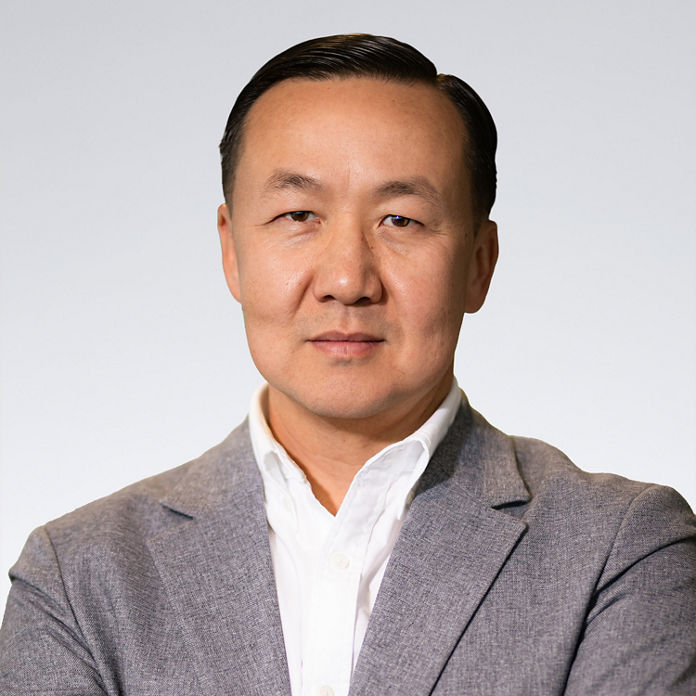
      For businesses across the Caucasus and Central Asia, the global risk agenda has very practical implications: economic and geopolitical uncertainty, cyber threats and regulatory change require companies to maintain their focus on growth while strengthening resilience. At the same time, markets across our region differ in their growth dynamics and operating conditions, so strategic decisions must reflect the local context. AI creates new opportunities to improve productivity and competitiveness, but technology investment alone does not guarantee results. It must be combined with workforce development, robust data governance and changes to business processes. Confidence in the future should rest not on the expectation of more favourable conditions, but on a company’s ability to adapt and translate strategic priorities into measurable outcomes. For Kazakhstan, it is particularly important that technology investment goes hand in hand with skills development and productivity gains, enabling digital transformation to support economic diversification and business competitiveness.
      Saken Zhumashev

      Managing Partner

      KPMG Caucasus and Central Asia

      Skills gaps present the greatest workforce challenge

      CEOs identify skills gaps, not exclusively AI-related, as the greatest workforce challenge facing their organizations (56 percent), ahead of upskilling and training employees in AI systems (52 percent) and attracting and retaining talent (47 percent).

      In response, 46 percent of CEOs are investing in reskilling and upskilling programs, while the same proportion are providing tailored, role-specific training on how AI can support employees in their roles.

      Workforce resistance to AI is becoming less of a concern: 26 percent of CEOs identify it as a challenge, compared with 33 percent in last year’s Global CEO Outlook.

      Evolving the CEO skill set

      For the second year in succession, greater agility and faster decision-making under pressure is the number one leadership capability CEOs believe they need (47 percent).

      Strategic foresight and scenario planning have also grown significantly in importance, cited by 44 percent of CEOs compared with 22 percent last year.

      About the KPMG Global CEO Outlook

      The annual KPMG Global CEO Outlook surveyed 1,400 CEOs overseeing companies with annual revenues of more than US$500 million, across 12 key markets and 13 industry sectors.

      The survey included CEOs from Australia, Canada, China, France, Germany, India, Italy, Japan, the Netherlands, Spain, the UK and the US, and covered asset management, automotive, banking, consumer and retail, energy, healthcare, infrastructure, insurance, life sciences, manufacturing, technology, media and telecommunications.


      KPMG 2026 Global CEO Outlook