
      Globalisation, increasing regulatory requirements and technological innovations are fundamentally changing the role of tax departments. Tax authorities are driving the digitalisation of tax processes and reporting formats and expect tax processes that are audit-proof, standardised and transparently documented.

      As a result, data quality, traceability and a robust tax control environment are becoming increasingly important.

      Digital tax processes and data integration: new demands on the tax function

      Companies face the challenge of consolidating tax-relevant data from various systems, processing it consistently, and making it available to different stakeholders in a timely, detailed and compliant manner. Furthermore, management’s expectations are growing: the tax function is expected to be more closely integrated into operational processes and risk management, and to make a measurable contribution to value creation.

      Tax Transformation addresses these requirements and combines organisational, process-related and technological issues into an integrated approach. Furthermore, internal reservations must be overcome: change is generally arduous and often meets with resistance from staff.

      Caught between increasing regulation and business agility, the Head of Tax is required to identify trends at an early stage, anticipate tax risks, and help develop and drive forward innovative solutions to complex challenges across a wide range of business areas. Technology is playing an increasingly important role in this regard. Global tax governance is no longer conceivable without technology.
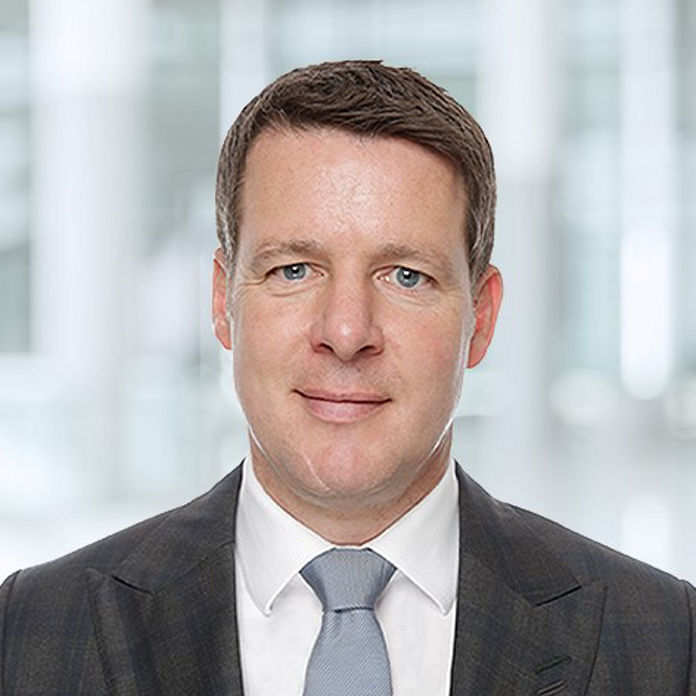
      Stephan Ludwig
      Stephan Ludwig

      Partner, Head of Tax Transformation

      KPMG AG Wirtschaftsprüfungsgesellschaft

      cast

      SAP Risk and Assurance Management as the foundation for modern, automated tax compliance management

      Tax Data & Analytics

      Making comprehensive use of tax data – for greater transparency and well-informed decisions

      data stream

      Tax Transformation: Building sustainable tax functions

      We help companies to systematically develop their tax function – from organisational alignment and process optimisation to the selection and implementation of suitable technologies.


      This results in transparent, scalable and future-proof tax structures that meet regulatory requirements whilst also contributing to corporate governance.

      • Creation of process documentation

        Documentation and analysis of the processes and systems are also the basis for optimisation.  More >

      • Electronic cash register systems

        Fulfil the requirements of the GoBD   More >

      • Tax advice on the Cash Security Ordinance (KassenSichV)

        Ready for tax audits and unannounced cash register inspections   More >

      • Tax process and rule management

        Avoid errors - with rule-based process management  More >

      • Tax Accounting & Reporting

        Efficiency through automation: the path to a digital control life cycle.  Mehr >

      • Tax Compliance Management

        Tax compliance is essential in order to systematically identify and efficiently control tax risks  More >

      • Relocation of accounting abroad

        Legal compliance for distributed applications and data   More >

      Structures, budgets: How tax departments work

      Take part in short surveys now and get an initial assessment of current trends.

      Three persons

      More Tax insights for you

      Your contact

      Stephan Ludwig

      Partner, Head of Tax Transformation

      KPMG AG Wirtschaftsprüfungsgesellschaft

      Tax transformation: strategically realigning the tax function

      Tax departments are faced with the task of more closely combining regulatory requirements, data quality and operational efficiency. With mandatory e-invoicing, digital audits and increasing reporting obligations, the demands on processes, systems and governance are rising. Tax transformation describes the targeted further development of the tax function so that tax tasks can be managed in a reliable, digitally connected and management-friendly manner.

      We support you in aligning your tax function so that it fulfils current requirements and can anticipate future developments. Our advice combines tax expertise with an understanding of processes, technology expertise and experience from transformation programmes.

      Our promise: Tax function with structure, technology and impact

      An effective tax transformation starts with a clear target picture. Which tasks should be managed centrally? Which processes should remain local? Which data sources are reliable? And which technologies help to recognise tax risks at an early stage?

      We do not look at these questions in isolation. Our experts analyse your tax processes, examine interfaces with finance, IT and compliance and work with you to develop a feasible transformation model. You can rely on this: Our consultants don't think of tax as an individual function, but as part of corporate management.

      Tax digitalisation as the basis for reliable decisions

      Digital tax processes only unfold their value when data, systems and responsibilities fit together. Consistent master data and clear process responsibility are particularly important for VAT, e-billing, transfer pricing, tax reporting and audits.

      We support you with tax digitalisation from the initial assessment to implementation. This includes process analyses, system and data reviews, automation potential, control mechanisms and the integration of existing ERP and reporting landscapes. Depending on the initial situation, the KPMG Digital Gateway can also be integrated to make tax processes more transparent and easier to control.

      Tax transformation at KPMG: Our consulting areas

      Developing a target vision and operating model

      We work with you to develop a tax target vision that fits your organisation. In doing so, we clarify roles, responsibilities, governance structures and interfaces between tax, finance, legal, IT and the business divisions. The result is a resilient operating model that translates strategic requirements into concrete processes.

      Analyse and standardise processes

      Many tax processes have grown historically. Different tools, manual intermediate steps and inconsistent data sources increase the workload and make controls more difficult. Our consultancy identifies weaknesses, prioritises areas for action and develops standardised processes that combine efficiency and security.

      Using technology in a targeted manner

      Technology is not an end in itself. It must map functional requirements, fit into existing system landscapes and be accepted by users. We support the selection, design and implementation of suitable tax technologies, from workflow solutions and data analyses to tax control and reporting approaches.

      Strengthening compliance and controls

      Digital tax processes need effective controls. This is especially true where tax-relevant data from different systems is merged. As part of our consulting services, we support the establishment or further development of tax compliance management systems, control concepts and documentation standards, including with regard to GoBD requirements.

      Making transformation feasible

      A transformation programme is only successful if it works on a day-to-day basis. That's why we pay attention to realistic roadmaps, clear priorities and change management that gets specialist departments on board. Our tax consulting services range from strategic conceptualisation to operational support for individual implementation steps.

      Why tax transformation is now a management issue

      Taxes are becoming increasingly data-driven. At the same time, management expects reliable information on risks, liquidity, compliance and planning security. A modern tax function provides this information faster, more consistently and more comprehensibly.

      For companies, this creates a clear need for action. Those who further develop their tax processes in a structured way today will reduce manual dependencies, improve data quality and create more transparency for decisions. We advise you with foresight, certainty and precision on which measures will create the greatest added value for your organisation.

      Do you want to realign your tax function, set up digital tax processes or further develop an existing transformation programme? We are happy to support you with advice that brings together specialist requirements, processes and technology. Feel free to contact us.

      Frequently asked questions

      Tax transformation refers to the strategic further development of the tax function. The aim is to align processes, data, technologies and responsibilities in such a way that tax tasks can be managed more efficiently, transparently and reliably.

      Tax transformation becomes relevant when tax processes are heavily manual, data comes from different systems or new regulatory requirements create additional pressure to act. Structured advice helps to set priorities and derive suitable measures.

      KPMG provides advice on the analysis of existing processes, the development of a target picture, the selection of suitable technologies and the implementation of specific measures. We combine tax expertise with process, data and technology competence.

      Management sets priorities, creates decision-making structures and anchors the tax function in corporate management. A successful transformation therefore requires a clear mandate and advice that brings together tax, finance, IT and business units.