
      German companies’ business in Ukraine remains stable despite the war: 80 per cent rate their current business situation as satisfactory, good or very good, whilst 49 per cent expect an improvement over the next twelve months. This is shown by the German-Ukrainian Business Outlook 2026, for which KPMG in Germany and the AHK Ukraine surveyed German companies with business activities in Ukraine.

      More than a third of the companies surveyed (38 per cent) plan to expand their activities in Ukraine or enter the market for the first time – regardless of how the war unfolds. Looking ahead to the period following a possible end to the war, just under two-thirds (63 per cent) intend to increase their investments, with around a quarter (23 per cent) planning to do so significantly.
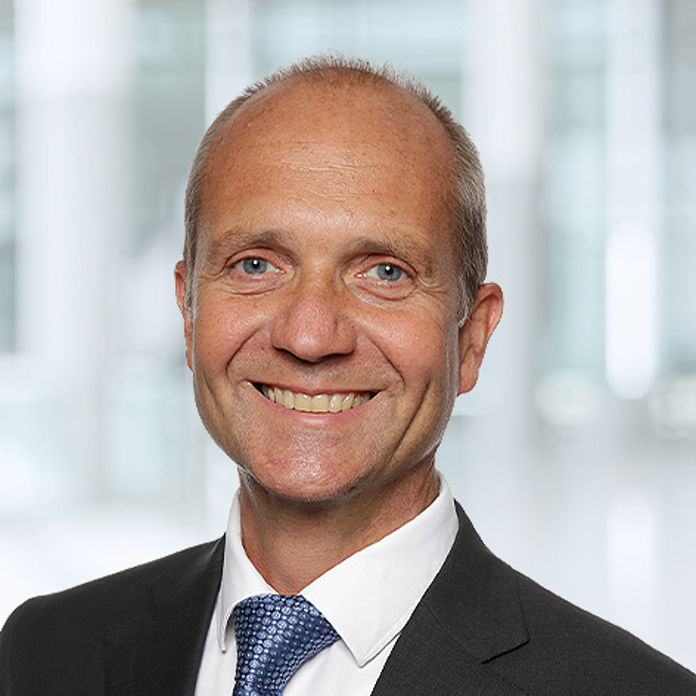
      Even in the fifth year of the war, German companies are not only continuing their involvement in Ukraine but are actually expanding it. They see strategic opportunities for themselves, particularly with regard to the country’s reconstruction and its future economic integration into the EU, and have realised that a wait-and-see approach is not a sensible strategy.
      Andreas Glunz

      Andreas Glunz

      Head of the International Business Division

      KPMG AG Wirtschaftsprüfungsgesellschaft

      Download the German-Ukrainian Business Outlook 2026 now

      picture_as_pdf

      Studie

      German-Ukrainian Business Outlook 2026: Business with Ukraine remains stable

      How do German companies view their business in Ukraine? The German-Ukrainian Business Outlook 2026 provides reliable data on the business climate, investment and staffing plans, location factors and risks. Key findings: 80 per cent view their business situation positively, 38 per cent plan to expand even during the war, and 63 per cent intend to invest more once the war ends.


      Business in Ukraine: Staffing and investment plans on the rise

      These positive business prospects are also reflected in companies’ staffing and investment plans: almost one in two companies (47 per cent) plans to increase its workforce, whilst 43 per cent of companies intend to step up their investment as early as the next twelve months.

      Opportunities arising from the location meet war-related risks

      The companies cite market potential (54 per cent), the availability of a skilled workforce (50 per cent) and low labour costs (38 per cent) as the most important location advantages. However, the high level of digitalisation (30 per cent) and the strategic geographical location (28 per cent) are also highly valued.


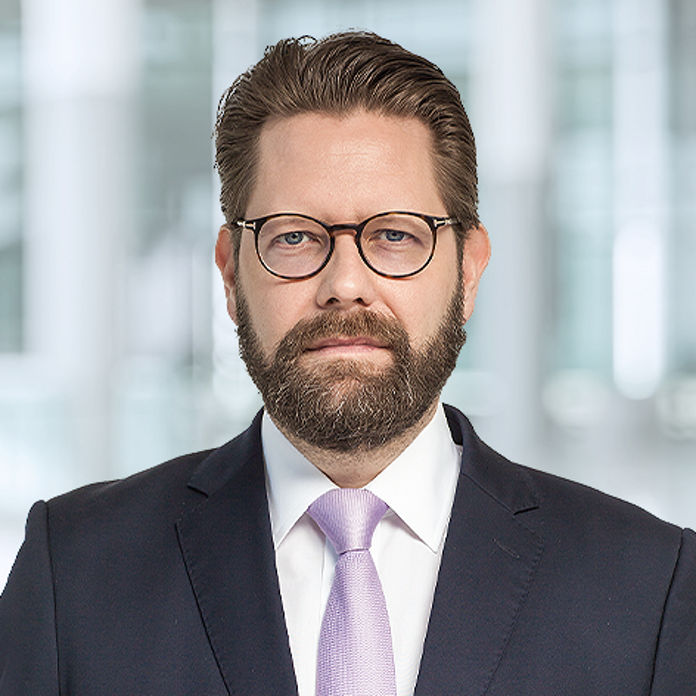
      Ukraine is no longer merely a market with future potential for German companies, but is already of operational significance today – as evidenced by staffing and investment plans. The defence and security industry, in particular, has emerged under wartime conditions as a serious technology and procurement partner for Western companies; added to this are a strong IT and engineering sector and a highly skilled workforce. Those who establish a presence here now will secure access to expertise and partnerships that would otherwise be much more difficult to build up after the war.
      Nicolai Kiskalt

      Nicolai Kiskalt

      Partner and Head of the German-Ukrainian Office

      KPMG AG Wirtschaftsprüfungsgesellschaft

      More KPMG Insights on this topic

      Your points of contact