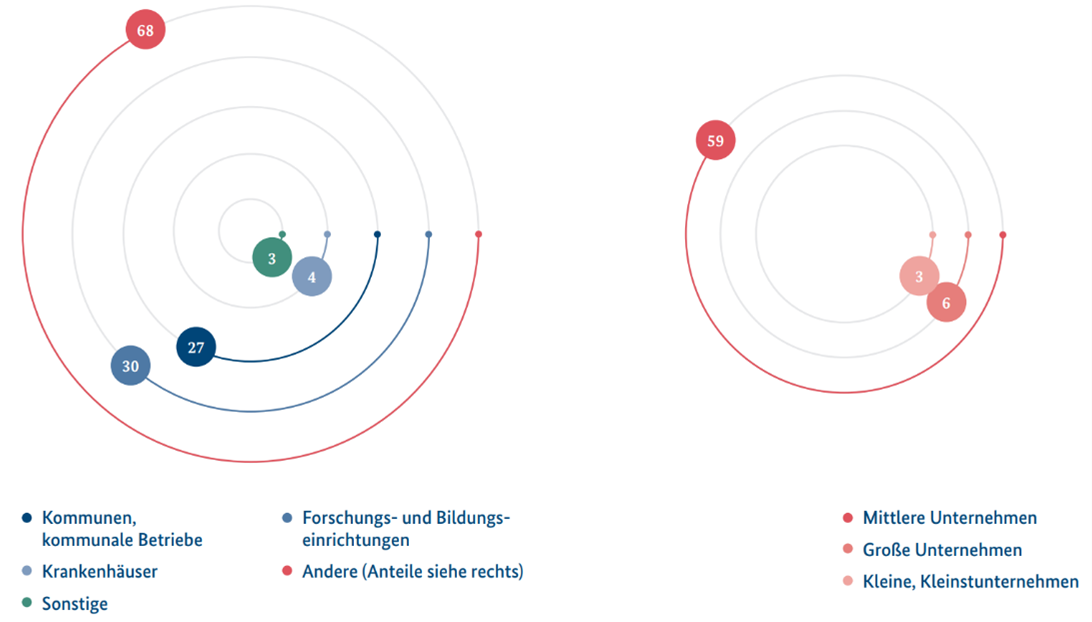
In parallel with an increasingly interconnected world, attempts at ransomware attacks on companies are on the rise and the amount of extortion payments reached new record levels last year.1
A ransomware attack is the encryption of a company's data and the extortion of ransom payments to decrypt it.
Finance departments are an attractive target for cyber criminals, as sensitive financial data can be captured and business-critical processes such as payment transactions can be hindered or prevented. In a ransomware attack, these data volumes are the first target of attacks and usually result in the encryption of individual files, entire drives or the blocking of access to applications. A successful ransomware attack can therefore not only lead to considerable financial losses, but also damage the trust of customers, suppliers and investors in the company. This leads to a very high potential for damage.
In addition to preventive measures to protect themselves from ransomware attacks, companies should therefore develop a business continuity strategy in order to be prepared for the event of damage. Creating structures that ensure or restore business continuity even under difficult conditions can significantly reduce the extent of the damage.