Skip to navigation

      Iris Van der Veken has spent over 25 years working at the intersection of human rights, climate and nature, and gender, across 14 countries, on factory floors as well as in the corridors of international organizations. She is now Executive Director & Secretary General of the Watch & Jewellery Initiative 2030 (WJI 2030), a multi-stakeholder action platform, co-founded by Kering and Cartier, delegated by Richemont. The initiative is committed to advancing the industry on three interconnected topics: climate resilience, nature and biodiversity, and inclusiveness.

      In a conversation with KPMG’s Reto Eberle and Rolf Hauenstein, Iris Van der Veken discusses how the topic of business resilience has evolved in the watch and jewellery industry, explains why she believes in collaboration and systemic change, and shares her vision for an inclusive industry.

      Below you will find some selected questions from the interview. Download the PDF to read the full interview. We wish you a thought-provoking read.


      Prof. Dr. Reto Eberle

      Partner, Member of the Department of Professional Practice

      KPMG Switzerland

      Prof. Dr. Reto Eberle (RE): Iris, thank you for joining us. You are Executive Director of the Watch & Jewellery Initiative 2030, which was co-founded in 2022 by Kering and Cartier. How did this unusual collaboration come about?

      Iris Van der Veken (IV): It really is a unique story of a genuine collaboration. When the Watch & Jewellery Initiative 2030 (WJI 2030) was founded in 2022 at Watches & Wonders, by Kering and Cartier, delegated by Richemont, there was a clear and shared understanding that climate, nature and inclusiveness risks are no longer peripheral issues – they are core to a resilient business model. And addressing these material topics requires collective action on the ground across the value chain.

      What makes this initiative distinctive is that industry front-runners – including Cartier, Chanel and Kering – choose to join forces to advance the sector through collective actions. Together, they foster a multi-stakeholder ecosystem of shared learnings and solutions aligned with evolving policies and regulations, with one common objective: to drive meaningful action across companies.

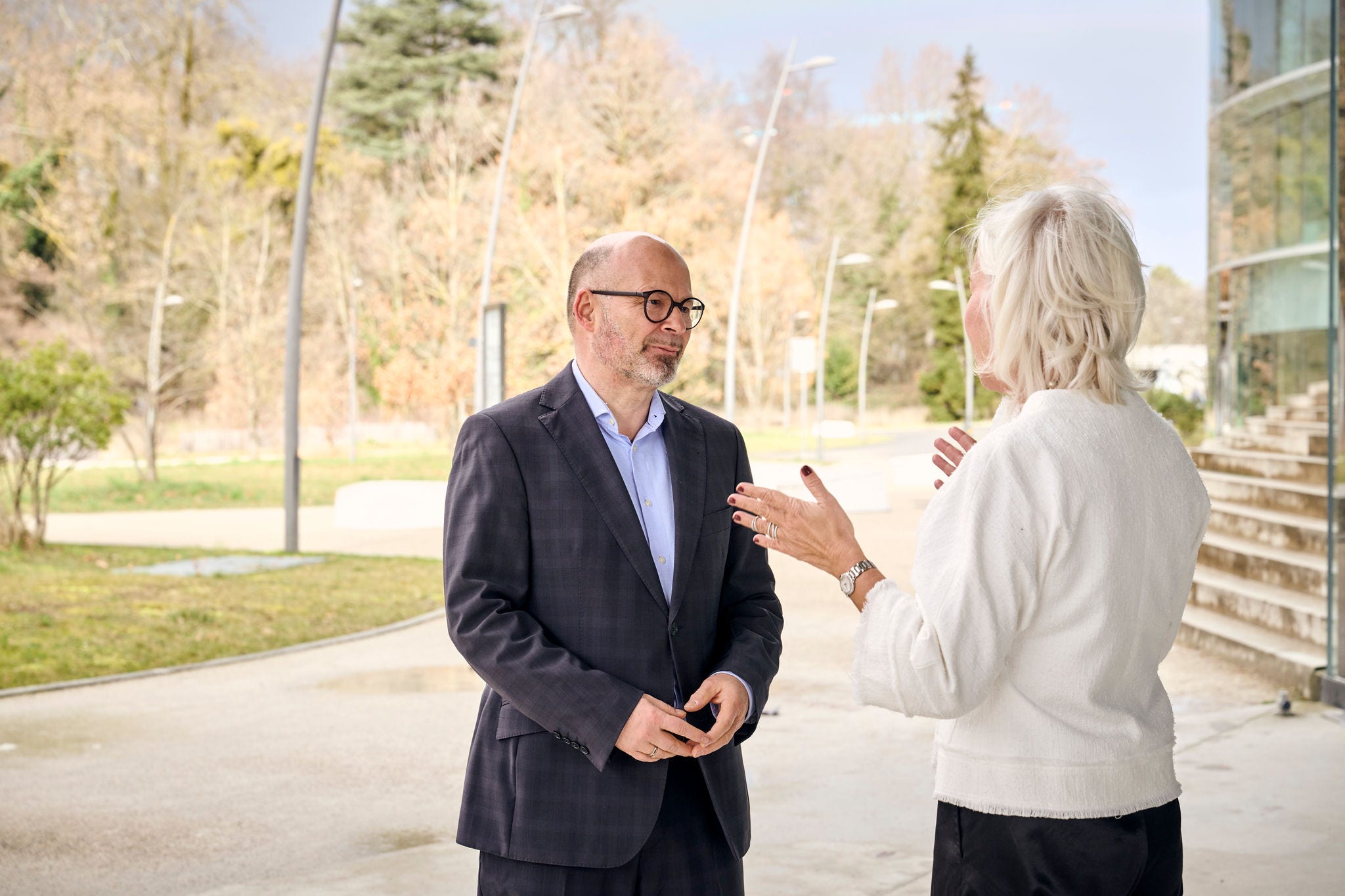
      Rolf Hauenstein, Iris Van der Veken, Reto Eberle

      Rolf Hauenstein (RH): You started out in HR, before moving into sustainability 20 years ago. Can you tell us a bit about your career to date and how your professional development is linked to the activities of WJI 2030?

      IV: I began my career at a stock exchange technology company, working in talent acquisition. It was a fast-paced environment with a strong focus on innovation. Yet it quickly became clear to me that the real differentiator is talent. One of the most important lessons I took from that role was how critical it is to treat people with dignity and respect during times of change. The company went through major restructuring, and it was my job to support people thoughtfully through transitions. That period marked an important milestone for me.

      I then received an unexpected offer from a diamond company to become their HR manager. This was back in the early 2000s, when the Kimberley Process was being established amid social justice issues such as conflict diamonds. Since then, I’ve been very passionate about supply chains and the impact they can have on people if decision-makers do good. It is not about philanthropy; it is about engineering your business to bring about sytematic change. How do you procure? Where do your gold, silver, and gemstones come from? How do you manage human rights issues like child labor? And how do you navigate local government legislation, which may not afford the protection you demand?

      One of the experiences that has shaped my career most was spending time on the ground and working closely with diplomats and international organizations. I firmly believe that progress happens through partnerships.

      At WJI 2030, we work closely with established organizations and initiatives, including the UN Global Compact and UN Women.

      Prof. Dr. Reto Eberle & Iris Van der Veken

      RE: Sustainability was a boardroom buzzword for many years, especially considering the EU Green Deal and the – at the time unprecedented – CSRD reporting provisions. Are top-down reporting and compliance the right way to make sustainable operations really happen?

      IV: Do we need a law to do the right thing? And what do we do when no one is watching? Compliance is essential but it is not enough. Sustainability must go beyond ticking boxes to reshape business models and embed resilience at the core of strategy. This is not a “soft” agenda. It is about protecting business continuity, competitiveness, and reputation. The cost of inaction is already tangible.

      I think reporting and compliance play an important role because they create transparency and comparability. They support organizations understand where they stand and provide a common framework for action. But reporting alone will never be enough to make sustainable operations happen. At some point, companies must translate those requirements into concrete decisions and changes in the way they operate.

      Suppliers also play a critical role in transparency along the value chain. The key question is whether companies view them merely as part of a compliance exercise, or as strategic partners in building capabilities and strengthening operational practices across the industry. If these efforts are to create real value, they cannot remain a tick-box exercise.

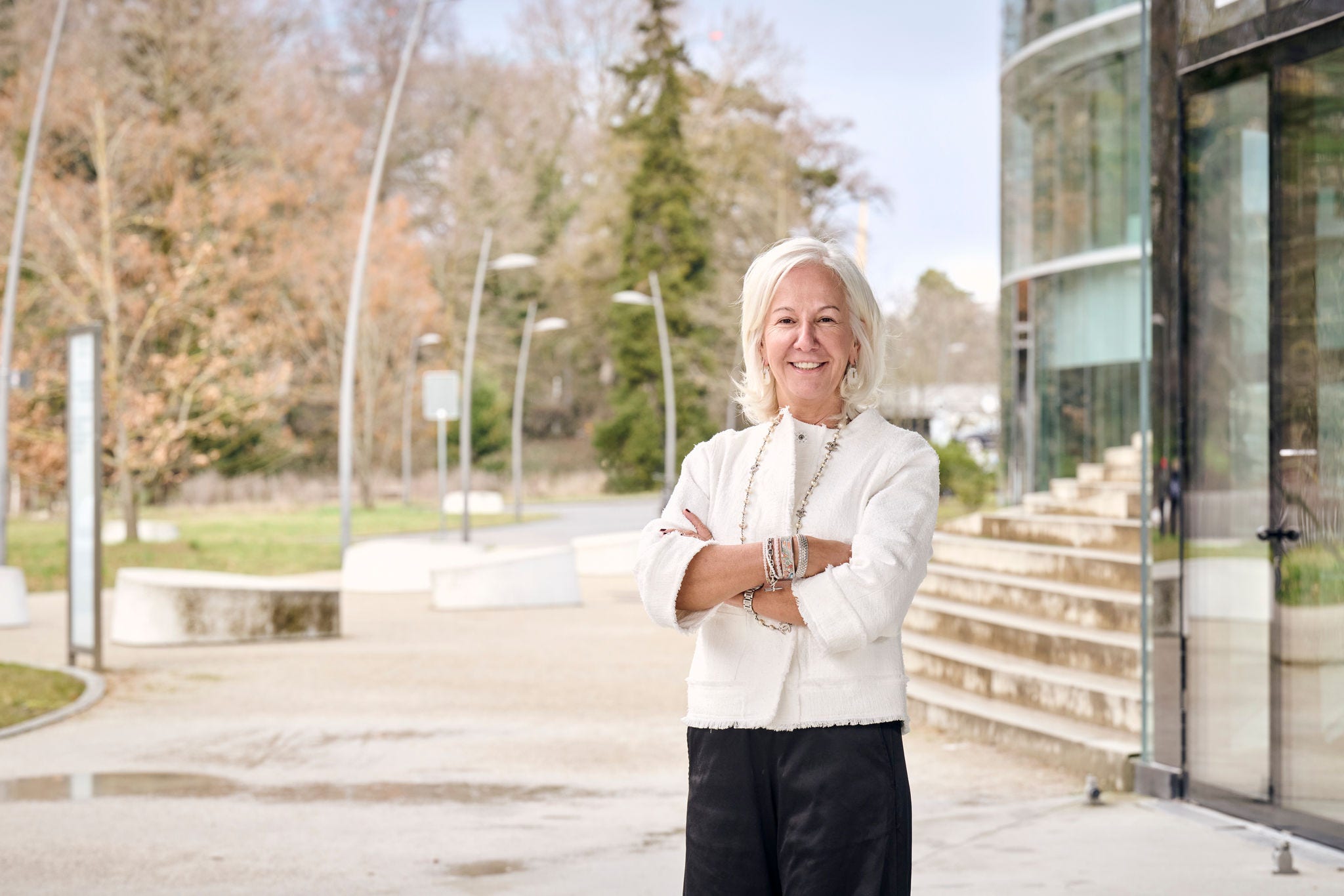
      Iris Van der Veken

      Download the full interview

      Interview with Iris van der Veken

      Trust as the new currency

      Interview with Iris Van der Veken, Executive Director & Secretary General, Watch & Jewellery Initiative 2030

      Board Leadership Center

      Supporting your career as a board member

      woman leaning on wall