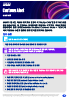
Decision No. 702/QD-CHQ dated 6 May 2026 (“Decision 702”) issued by the Vietnamese Customs Department on the customs procedures applicable to export and import goods under the Centralized Customs Clearance Model (“CCM”) at Regional Customs Sub-Department III (managing Hai Phong City)
General provision
Centralized Customs Clearance Model at CDR3
Step 1
The system automatically receives, verify the conditions for CD registration, and classify channels of CD
Green channel: Proceed to Step 4
Yellow channel and Red channel: Proceed to Step 2
Step 2
To be carried out by Clearance Teams
Content of inspection
• Completeness of the electronic customs dossier;
• Compliance with customs declaration deadlines; and
• Detailed examination of the customs dossier
Step 3
To be carried out by Border Gate Customs (if the goods are located outside its area, the customs unit managing the goods storage location may carry out on its behalf per request)
• Inspection method: through scanners/weighing devices/other equipment or physical inspection conducted directly by customs officers (manual inspection);
• Scope of inspection: partial inspection by percentage of goods or full inspection of the entire shipment.
Step 4
The VNACCS/VCIS system shall automatically verify the tax/duty payment status based on available payment data.
In cases where the tax/duty payment has been completed but has not yet been updated in the system, if the enterprise is able to provide documentary evidence of the tax payment through a bank, the customs officer will manually confirm the fulfillment of the tax/duty obligation.
Step 5
To be carried out by Customs officers of the Clearance Team/ Border-Gate Customs Unit/ the customs unit conducting inspection on behalf
Step 1
Receipt, check, registration and channel classification of customs declarations (“CD”)The system automatically receives, verify the conditions for CD registration, and classify channels of CD
Green channel: Proceed to Step 4
Yellow channel and Red channel: Proceed to Step 2
Step 2
Inspection of customs dossierTo be carried out by Clearance Teams
Content of inspection
• Completeness of the electronic customs dossier;
• Compliance with customs declaration deadlines; and
• Detailed examination of the customs dossier
Step 3
Physical inspection of goodsTo be carried out by Border Gate Customs (if the goods are located outside its area, the customs unit managing the goods storage location may carry out on its behalf per request)
• Inspection method: through scanners/weighing devices/other equipment or physical inspection conducted directly by customs officers (manual inspection);
• Scope of inspection: partial inspection by percentage of goods or full inspection of the entire shipment.
Step 4
Verification of fulfillment of tax/duty, fee, and charge obligationsThe VNACCS/VCIS system shall automatically verify the tax/duty payment status based on available payment data.
In cases where the tax/duty payment has been completed but has not yet been updated in the system, if the enterprise is able to provide documentary evidence of the tax payment through a bank, the customs officer will manually confirm the fulfillment of the tax/duty obligation.
Step 5
Finalization of the customs dossierTo be carried out by Customs officers of the Clearance Team/ Border-Gate Customs Unit/ the customs unit conducting inspection on behalf
Our Comments
The Centralized Customs Clearance Model under Decision 702 will be implemented at the Regional Customs Sub-Department III from 1 June 2026. Accordingly, to be proactive during the customs processes and ensure the smooth clearance under the Centralized Customs Clearance Model, enterprises involved in import and export activities should:
- Review whether their customs declarations are managed by the Regional Customs Sub-Department III
- Familiarize with the detailed procedures provided under Decision 702 to proactively manage the implementation of relevant customs procedures
In addition, enterprises operating in other locations/ areas should also closely monitor the practical implementation at the Regional Customs Sub-Department III and the subsequent rollout roadmap, to be better prepared when this model is implemented at the customs authorities managing their operations in the future.
KPMG will continue to monitor developments and provide updates on relevant regulations and the nationwide implementation roadmap once further official guidance is issued by the customs authorities. Please contact KPMG if you require further advice or assistance regarding customs procedures and import and export activities.
Download to your devices here
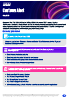
Customs Alert - Centralized Customs Clearance Model (English)
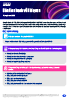
Customs Alert - Centralized Customs Clearance Model (Vietnamese)
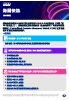
Customs Alert - Centralized Customs Clearance Model (Traditional Chinese)
Customs Alert - Centralized Customs Clearance Model (Simplified Chinese)