Skip to navigation

      Nordic CEOs remain ambitious amid change

      The Nordic findings from KPMG CEO Outlook 2026 reveal a distinct picture. AI remains high on the investment agenda, but Nordic CEOs are less confident about the pace of adoption and expect returns to take longer to materialize.

      At the same time, their outlook on the future of work is more optimistic. Rather than expecting widespread workforce reductions, many see AI-driven growth creating a need for more employees. Nordic CEOs also place greater emphasis on AI regulation and ethical considerations.
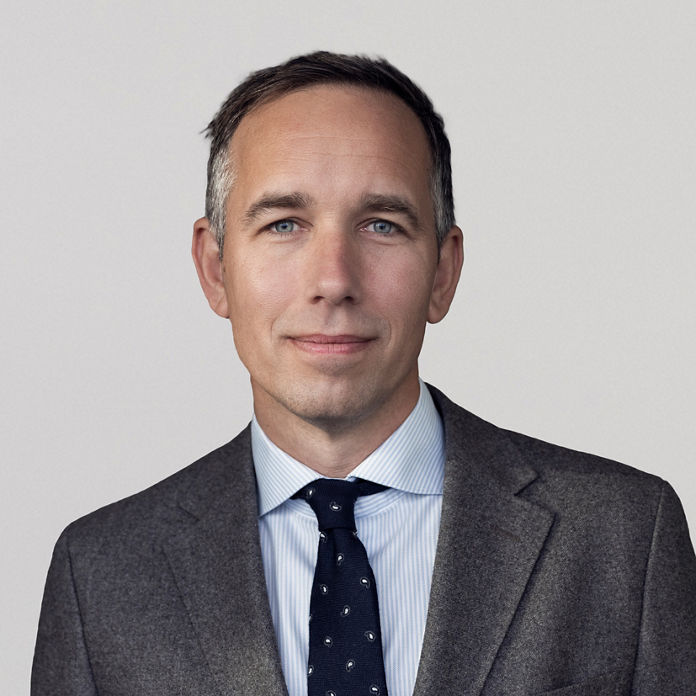
       

      Swedish business leaders do not primarily see AI as a way to replace people, but rather as a driver of growth, new ways of working and new business opportunities. This, in turn, increases the need for the right skills and creates new roles.

      Mathias Arvidsson

      CEO

      KPMG Sweden

      Mathias Arvidsson

      Nordic CEOs have AI ambition, but keeping pace is proving difficult

      The Nordic findings from KPMG CEO Outlook 2026 reveal a distinct picture. AI remains high on the investment agenda, but Nordic CEOs are less confident about the pace of adoption and expect returns to take longer to materialize.

      At the same time, their outlook on the future of work is more optimistic. Rather than expecting widespread workforce reductions, many see AI-driven growth creating a need for more employees. Nordic CEOs also place greater emphasis on AI regulation and ethical considerations.


      Nordic CEOs want clearer rules around AI

      Nordic CEOs are more supportive of increased AI regulation than their global peers. 67 percent support more regulation, compared with 51 percent globally.

      Ethical considerations also feature prominently. 68 percent of Nordic CEOs find ethical issues related to AI adoption challenging, compared with 57 percent globally. Almost half, 48 percent, find them very challenging, compared with only 15 percent globally.

      The challenge is to balance the demand for clearer rules with the need to maintain momentum. As AI adoption accelerates, businesses will need to move quickly while ensuring that AI is deployed safely and responsibly.


      More AI, but not necessarily fewer people

      Only 27 percent of Nordic CEOs expect AI to result in workforce reductions, compared with 41 percent globally. At the same time, 29 percent expect AI-driven growth to require more employees, compared with 19 percent globally.

      Their wider workforce expectations reinforce this picture. 40 percent of Nordic CEOs expect to increase their workforce by 6 percent or more over the next three years, compared with 27 percent globally.

      This does not mean work will remain unchanged. Rather, the findings shift the focus from whether AI will simply reduce headcount to how roles, skills and ways of working will need to evolve as adoption grows.

      The challenge is to balance the demand for clearer rules with the need to maintain momentum. As AI adoption accelerates, businesses will need to move quickly while ensuring that AI is deployed safely and responsibly.


      Nordic CEOs are less concerned about geopolitical disruption


      Nordic CEOs are markedly less concerned than their global peers about geopolitical disruption. 45 percent expect geopolitical conflicts to affect profitability over the next three years, compared with 73 percent globally.

      At the same time, cybersecurity remains firmly on the agenda, with 35 percent of Nordic CEOs planning to increase cybersecurity spending.

      The gap in geopolitical concern is significant, but the risk should not be overlooked. Almost half of Nordic CEOs still expect geopolitical conflicts to affect profitability, underlining the need for continued preparedness.


      What do the Nordic CEO Outlook findings mean for businesses?

      • Turning AI ambition into business value

        Nordic CEOs remain willing to invest in AI, but confidence in keeping pace is considerably lower. The challenge now is to move from investment ambition to implementation and measurable business value.

      • Preparing the workforce for AI-driven change

        Nordic CEOs are less likely to see AI primarily as a driver of workforce reduction. The focus instead shifts to how organizations develop the skills, roles and ways of working required as AI adoption grows.

      • Building responsible AI at scale

        Greater support for regulation and heightened concern about ethical issues put governance firmly on the agenda. Businesses will need clear responsibilities, operating models and approaches to data and ethics that allow them to scale AI responsibly.


      Taken together, the findings reveal a distinctly Nordic AI challenge. Keeping pace with technological development is only one part of it. Equally important is the ability to turn investment into business value, prepare people for changing ways of working and scale AI responsibly.


      About the research

      The Nordic findings are based on responses from 75 CEOs across Finland, Sweden, Norway and Denmark, forming part of the 2026 KPMG CEO Outlook. The global study surveyed 1,400 CEOs from major companies internationally. All respondents lead companies with annual revenues of more than US$500 million.


      Do you agree with the world's top CEOs?

      Answer eight questions about AI and leadership and see how your views compare with those of 1,400 CEOs worldwide.

      Two empty chairs

      Explore the global perspective

      CEOs strengthen digital resilience amidst economic, geopolitical and regulatory uncertainty

      Contact us

      Mathias Arvidsson

      Partner and CEO

      KPMG in Sweden

      Christoffer Sellberg

      Partner & Head of Clients & Markets

      KPMG in Sweden