error
Subscriptions are not available for this site while you are logged into your current account.
close
Skip to main content

      As we enter a new year, the KPMG Sustainable Futures team has assessed the top themes it expects will most impact the corporate sustainability landscape in Ireland in 2026. 

      The reality of Ireland’s sustainability challenge is starting to hit home; we are not on track to meet our national climate targets. Ireland is “projecting in the mid to high 20s” in emissions reductions by 2030, just half of the legally binding 51% goal. 

      In parallel, shifting geopolitics are reshaping policy priorities, markets, and supply chains, adding uncertainty to planning and investment decisions. Together, these trends signal a disorderly climate transition ahead, marked by abrupt policy shifts, heightened transition risks, market volatility, stranded assets, and uneven technological deployment. 

      Against this backdrop, sustainability in 2026 is no longer defined by distant ambition but by near‑term resilience, commercial pragmatism, and strategic repositioning. 

      The themes expanded upon in this report reflect these realities and are reshaping the operating environment for Irish corporates, demanding a more adaptive, risk‑aware, and opportunity‑driven approach to sustainability in the year ahead. 

      Russell Smyth

      Partner, Head of Sustainable Futures and Corporate Finance

      KPMG in Ireland


      People in sustainability meeting with green charts

      Recalibrating reporting:
      The pathway on CSRD has cleared 

      The European Union (EU) has agreed on changes to the CSRD and CSDDD, including revised scoping thresholds and reporting requirements through the ESRS.

      These changes significantly reduce the number of companies required to report across Ireland, and reduce the extent of public disclosures on sustainability, whilst enhancing interoperability with other standards. 

      The simplification is a welcome outcome from the Omnibus. What was becoming a tick-the-box exercise on reporting is now a more operational, value-driven approach to sustainability. 

      The Omnibus clarification has prompted immediate action across Irish corporates, who are now driving forward on sustainability performance management and reporting with confidence. 

      Those organisations no longer in scope of the CSRD are pivoting towards alternative sustainability frameworks. The International Financial Reporting Standards (IFRS) Sustainability Disclosure Standards are now either adopted, or in the process of being adopted, by over 30 jurisdictions globally.

      Furthermore, the Voluntary reporting standard for SMEs (VSME) has been recommended by the European Commission for those organisations falling out of the scope of CSRD. Undoubtedly, the greatest challenge facing organisations that are reporting on a voluntary or mandatory basis is accessing credible and robust data.  

      Companies that move forward in 2026 with clear priorities and stronger data and reporting processes will be best positioned to meet rising regulatory and stakeholder expectations.  


      A fractured world:
      Geopolitics reshaping sustainability agenda 

      Geopolitics continues to drive a disorderly transition at the global level, reshaping sustainability priorities and slowing regulatory convergence. While sustainability has been deprioritised in some political contexts, Ireland remains committed to green initiatives aligned with the EU’s competitiveness agenda, balancing economic resilience and the green transition amid ongoing political turbulence.  

      Domestically, we expect to see a continued focus on tangible climate initiatives that align with the commercial realities faced by Irish businesses today. In an era of fractured global cooperation and fiscal tightening, businesses that adopt revenue driving low-carbon solutions will be best placed to maintain and grow their market position. 


      Freight in shipyard

      Beyond the surface:
      Supply chain transparency moves centre stage 

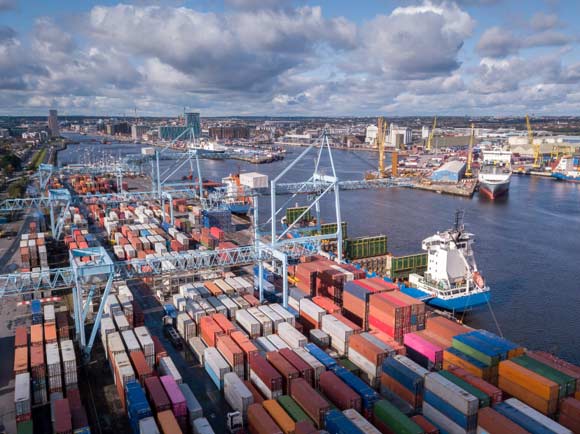
      A combination of increasing regulations and risk exposure is driving action on supply chain sustainability across Irish businesses. Trade tensions, raw material shortages, extreme climatic events, and ethical concerns have put a spotlight on the need to build resilience in supply chains to protect market value.  

      As a result, procurement and supply‑chain teams are demanding greater transparency from suppliers, and with public scrutiny intensifying, the associated risks are growing. One of the most significant challenges for Irish corporates is accessing greenhouse gas (GHG) emissions data from suppliers. Encouragingly, shared investment in supplier training and capacity building is beginning to deliver tangible improvements in emissions‑data quality. 

      Traceability and due diligence are no longer optional. Digital product passports, along with other requirements, are enabling real-time monitoring and proactive risk management. Sustainability, whilst being challenged, is a commercial value driver, and any opportunity to drive operational excellence across the lifecycle of products and services will be seized by those leading on supply chain sustainability.  

      Meanwhile, the circular economy is accelerating through the new Global Circularity Protocol, signalling a shift towards designing products for reuse and resource efficiency. Alongside regulations such as the Ecodesign for Sustainable Production Regulation and enhanced supply chain transparency through the CSDDD, these developments reflect a shift from intent to implementation, as organisations prioritise accountability and visibility to build resilient supply chains. 


      Road with neon light trails, and wind turbines in the background

      Powering ahead:
      Navigating Ireland’s energy squeeze 

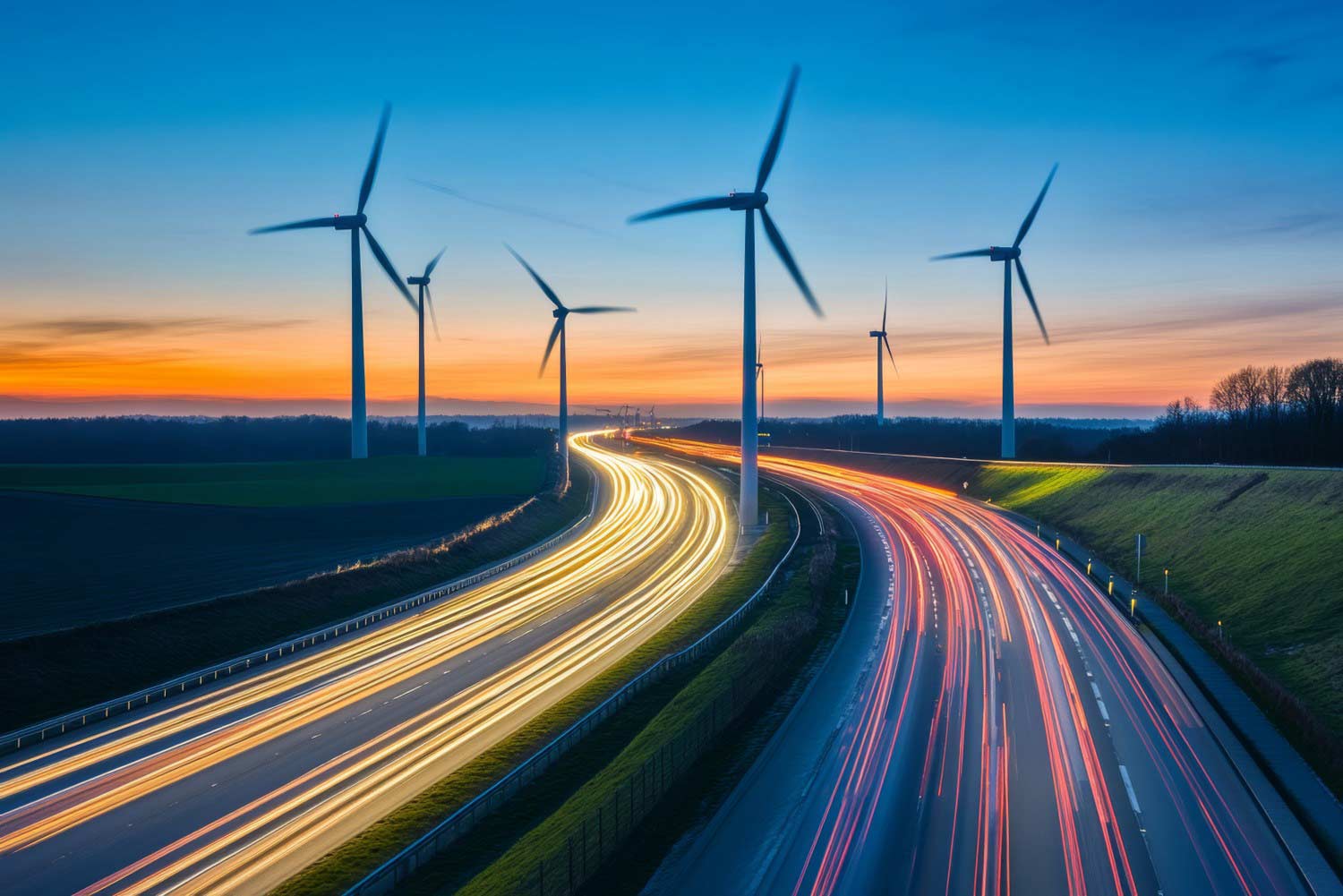
      2026 will be a decisive year for Ireland’s energy transition. With 400 MW of onshore wind generation capacity currently in construction, alongside the continued expansion of solar photovoltaic (PV) on the grid and on rooftops around the country, renewable generation is expected to reach record levels in 2026. 

      However, it has been recently acknowledged that Ireland will miss its 2030 renewable electricity targets, and the near-term focus has now shifted to maximising the number of renewable projects under construction by 2030. 

      Delivering the grid upgrades under Price Review 6 (PR6), the largest ever investment in grid modernisation for 2026–2030, is critical to maximising the volume of renewables that can be integrated into the power system. 

      However, significant supply chain and labour constraints are anticipated as global peers rush to upgrade critical electricity infrastructure simultaneously.  

      This year will also be a defining year for offshore wind. Offshore Renewable Electricity Support Scheme (ORESS) 1 participants that submitted planning applications in 2025 are awaiting decisions.

      The success of these projects will also depend on substantial investment in port infrastructure. Any delays risk deepening the anticipated shortfall against 2030 renewable electricity targets. Progress on large-scale energy storage and renewable generation can help mitigate the shortfall, but grid readiness is critical. 

      Overall, affordability and competitiveness will dominate energy-policy discussions in 2026 as the cost of Ireland’s energy infrastructure build‑out increasingly flows through to consumers and businesses. 


      Flooded field

      Weathering the storm:
      Climate adaptation as a boardroom imperative 

      While decarbonisation and mitigation efforts are essential to limit the progression of climate change, the reality is that climate extremes and environmental degradation are already creating significant challenges for Irish businesses.

      These adverse impacts include the undermining of asset integrity, disruptions to supply chains, and a direct challenge to the traditional ‘business as usual’ model. Importantly, these issues are projected to become more frequent and severe in the coming years. 

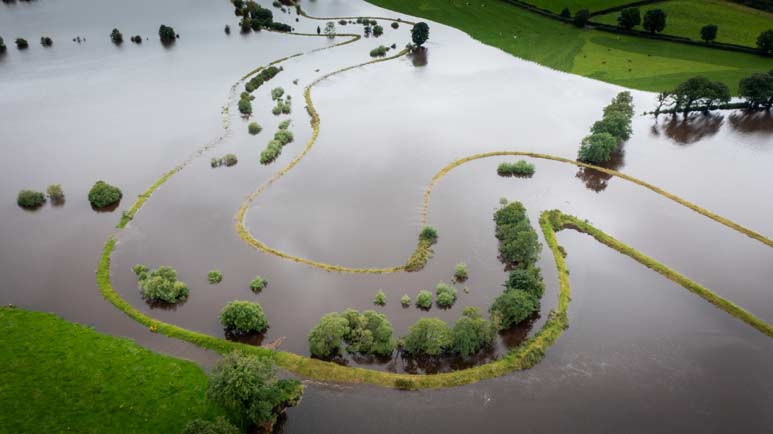
      The Environmental Protection Agency (EPA)’s National Climate Change Risk Assessment has identified windstorms as the most immediate climate risk facing Ireland. In addition, the threat of flooding is set to escalate due to anticipated increases in extreme rainfall and rising sea levels.

      This evolving risk landscape means businesses can no longer afford to wait for regulatory directives to shape their approach to climate resilience. Instead, it is imperative that businesses take proactive measures to adapt and strengthen their operations against these threats, protecting value, minimising operational disruptions, and securing long-term business continuity in an increasingly volatile environment. 


      Conifer trees in forest

      Exposed to the elements:
      Nature is now a financial risk, not just an environmental one

      Business leaders are increasingly recognising that nature-related risk is no longer a distant concern, but a material business risk for many sectors of the Irish and global economy. It encompasses issues such as water quality, flood resilience, agricultural productivity, and it is putting commodity supply chains and asset values under pressure.

      In Ireland, the poor state of habitats and the incoming EU Nature Restoration Law are expected to influence planning, land use, and investment decisions across sectors.  

      Even with narrowed CSRD requirements, European lenders and investors are increasingly requiring Taskforce on Nature related Financial Disclosures (TNFD)-aligned disclosures, making voluntary reporting a smart move for Irish businesses.

      Practical challenges remain, including conflicting demands for land and a sizeable nature finance gap, but ignoring these risks will ultimately cost more than compliance.

      The message for 2026 is clear: understand your business’s nature-related impacts, risks and dependencies, and start integrating nature into strategies and transition plans now to protect long-term value. 


      Sustainability icons on wooden blocks

      Carbon at the border:
      Preparing for carbon linked trade impacts 

      From 2026, CBAM shifts from a reporting-only requirement to a border control measure for Irish businesses, introducing financial obligations and customs enforcement. For Irish businesses importing more than 50 tonnes annually of steel, aluminium, cement and fertilisers, goods may not be released without importers holding authorised declarant status.  

      CBAM turns GHG emissions into import costs, with importers purchasing and surrendering CBAM certificates relating to emissions. Obtaining supplier emission data may result in lower costs than default values making 2026 a critical year to strengthen supplier terms and governance. 


      AI’s sustainability paradox:
      Solution and stressor 

      AI’s sustainability paradox will be a defining theme for 2026, reflecting the tension between AI’s ability to streamline operational workloads and its growing environmental impact.

      While AI has the potential to be an enabler of climate action, its energy demands are projected to quadruple by 2027, potentially increasing emissions.  

      To ensure AI accelerates rather than undermines sustainability goals, organisations will have to look to actively manage resource intensity, prioritise clean energy, and embed responsible practices into their AI deployment strategies. 


      What does this mean for your business? 

      Our top sustainability themes for 2026 make one thing clear: the sustainability challenge in Ireland is no longer an abstract concept. It is commercially material and already shaping day to day business decisions beyond your value chain.

      The question for you is how to take control in a disorderly transition. The answer lies in moving beyond compliance to a forward looking, commercially grounded transition strategy. This will require: 


      • Robust transition planning, incorporating scenario analysis that reflects physical, market and policy risks.
      • Embedding climate and nature considerations into core investment decisions, recognising their growing financial materiality.
      • Leveraging transition finance, including green and sustainability linked instruments, to fund decarbonisation and adaptation.
      • Strengthening supply chain preparedness, with digital traceability, strong supplier governance, and CBAM compliant data collection.
      • Aligning reporting frameworks including CSRD, IFRS Sustainability Disclosure Standards, and TNFD, to build trust, efficiency and stakeholder confidence.

      If your business acts early, it will not only mitigate escalating risks, but you will also position yourself to capture advantage in a market that increasingly rewards low carbon, transparent and resilient business models. 


      How KPMG can help 

      KPMG Sustainable Futures is a commercially-minded team of sustainability experts that are helping corporates and public-sector clients with ESG and sustainability solutions, including transition planning, climate risk, energy and decarbonisation, reporting, biodiversity, and sustainable finance. 

      Whether your organisation is at the beginning of its sustainability journey or is a mature reporter seeking to strengthen its approach, our team has the experience and capability to support you. 

      If you have any queries related to sustainability, please contact our team below. We’d be delighted to hear from you. 


      Discover more in Sustainable Futures - get our insights

      Something went wrong

      Oops!! Something went wrong, please try again

      Sustainable Futures

      Our dedicated decarbonisation & sustainability advisory team
      Turbine illustration