error
Subscriptions are not available for this site while you are logged into your current account.
close
Skip to main content

      Packaging plays a central role in how products are protected, transported, sold and consumed. However, the growing dependence of modern economies on packaging materials is driving resource, waste, and emissions challenges that existing systems within the EU are struggling to address. Packaging consumes large quantities of primary raw materials, while reuse, collection, and recycling systems have not kept pace with increasing waste generation.

      The scale of packaging waste across Europe has intensified the regulatory focus on packaging design, reuse, and recycling. In 2023, the EU generated almost 80 million tonnes of packaging waste[1], with Ireland producing nearly 1.2 million tonnes. In response, the EU introduced the Packaging and Packaging Waste Regulation (PPWR)[2] to reduce waste generation and accelerate the transition to a circular economy.

      The PPWR entered into force on 11 February 2025 and will apply from 12 August 2026. It will gradually replace the Packaging and Packaging Waste Directive (PPWD), establishing a more harmonised regulatory framework throughout the EU.

      The regulation marks a clear shift in emphasis. Rather than relying primarily on waste management, recycling infrastructure, and consumer behaviour, the PPWR places greater responsibility upstream, where packaging is designed, specified, procured, and placed on the market.

      Thomas Ball

      Nature, Biodiversity and Land Use Lead

      KPMG in Ireland


      In practice, packaging decisions linked to product development, logistics, branding, procurement, supplier engagement and customer experience will increasingly need to be assessed through a regulatory lens.

      For Irish businesses, the PPWR builds on an evolving domestic packaging and circular economy landscape, including Extended Producer Responsibility, the Deposit Return Scheme, and the Whole of Government Circular Economy Strategy 2026–2028: Accelerating Action[3]. It also introduces harmonised requirements covering recyclability, recycled content, packaging minimisation, reuse, refill, labelling, and technical documentation across the EU Single Market.

      The PPWR is a positive step towards a more circular economy, as it moves responsibility to those making packaging design and procurement decisions rather than relying solely on downstream waste management. However, the transition will not be cost-neutral. Many businesses will need to redesign packaging, invest in new data and traceability systems, and strengthen supplier engagement to demonstrate compliance.


      Timelines

      The PPWR introduces a phased compliance journey, with obligations beginning from 12 August 2026 and progressively expanding through later milestones, including harmonised labelling requirements in 2028–2029, recyclability, recycled-content, reuse and packaging minimisation requirements from 2030, and further obligations extending through 2040.

      Consequently, PPWR compliance should not be viewed as a one-off regulatory deadline, but as a multi-year transition that will reshape how packaging is designed, sourced, documented, labelled, reused and recovered.


      PPWR timeline


      From 12 August 2026, no packaging may be placed on the EU market that does not meet the requirements of the PPWR.

      • 12th August 2026

        Conformity assessment procedures and technical documentation

        • Restriction of chemical substances(PFAS limits, esp. food packaging)
        • Binding throughout the EU without grace period for initial distributors
        • Clear assignment of roles and responsibilities
      • 12th February 2027

        Obligation to enable own containers for take-away (no blanket usage requirement)

      • 12th February 2028

        Compostability of fruit labels, tea bags, etc.

        • Reduced empty space in sales packaging
        • Reusable containers for takeaways
      • 12th August 2028

        Obligation for harmonised labelling of packaging

      • 1st January 2029

        Calculation of the reuse rate and frequency with harmonised methodology

      • 12th February 2029

        Obligation to label reusable packaging

      • 1st January 2030
        • Minimum recyclability and minimum recycled content
        • Packaging minimisation
        • Ban on certain packaging formats
      • From 2038

        Only packaging with the highest recyclability grade (A or B) can be placed on the market

      • 2040
        • 15% reduction in packaging waste per capita (Member States)
        • Stricter requirements for recycled content and higher re-use targets 


      Packaging covered

      The PPWR applies to all packaging and packaging waste placed on the EU market. It introduces harmonised EU-wide requirements intended to allow compliant packaging to move freely across Member States, meeting the following three objectives:


      • Prevent unnecessary packaging and promote reuse, refill, and recycling
      • Harmonise national measures to avoid trade barriers and competition distortions
      • Contribute to the circular economy and climate neutrality by 2050
      Round plastic boxes with pre-packaged vegetable salads. Convenience food

      To achieve this, Member States must meet a series of progressive, legally binding targets:


      • Progressively reduce the amount of packaging waste generated per capita, with targets set for 2030, 2035, and 2040
      • Ensure adequate infrastructure for the separate collection, sorting, and recycling of all packaging waste
      • Achieve a 65 % recycling rate by 2025 for all packaging waste, increasing to 70 % by 2030, with specific targets for different materials
      • Ensure that deposit-return systems for single-use plastic or metal beverage containers are established by 2029, unless they already reach a high separate collection rate

      Key packaging design requirements


      The regulation introduces requirements that directly influence packaging design and performance. Packaging will need to be designed for recycling, meet recyclability performance thresholds and, over time, demonstrate that it is recycled at scale.

      • Plastic packaging must contain minimum levels of post-consumer recycled content, subject to limited exemptions.
      • Compostable packaging must meet recognised industrial composting standards.
      • Packaging must minimise material weight and volume and cannot be oversized for marketing purposes.
      • Packaging that artificially inflates perceived product volume (e.g. false bottoms or double walls) is generally prohibited, unless protected by design rights or trademarks.
      • Reusable packaging must be designed for multiple uses, meet safety and recyclability standards, and enable effective labelling and refilling without compromising product quality.

      Obligations, depending on position in the value chain

      A defining feature of the PPWR is that obligations vary depending on the role an organisation plays in the packaging value chain. 

      Businesses often assume that responsibility sits only with the company physically manufacturing packaging. In practice, responsibility may also sit with brand owners, importers, distributors, retailers, fulfilment service providers, and organisations that place packaging or packaged products on the market under their own name or trademark.

      Sarah Moran

      ESG Advisory Lead

      KPMG in Ireland

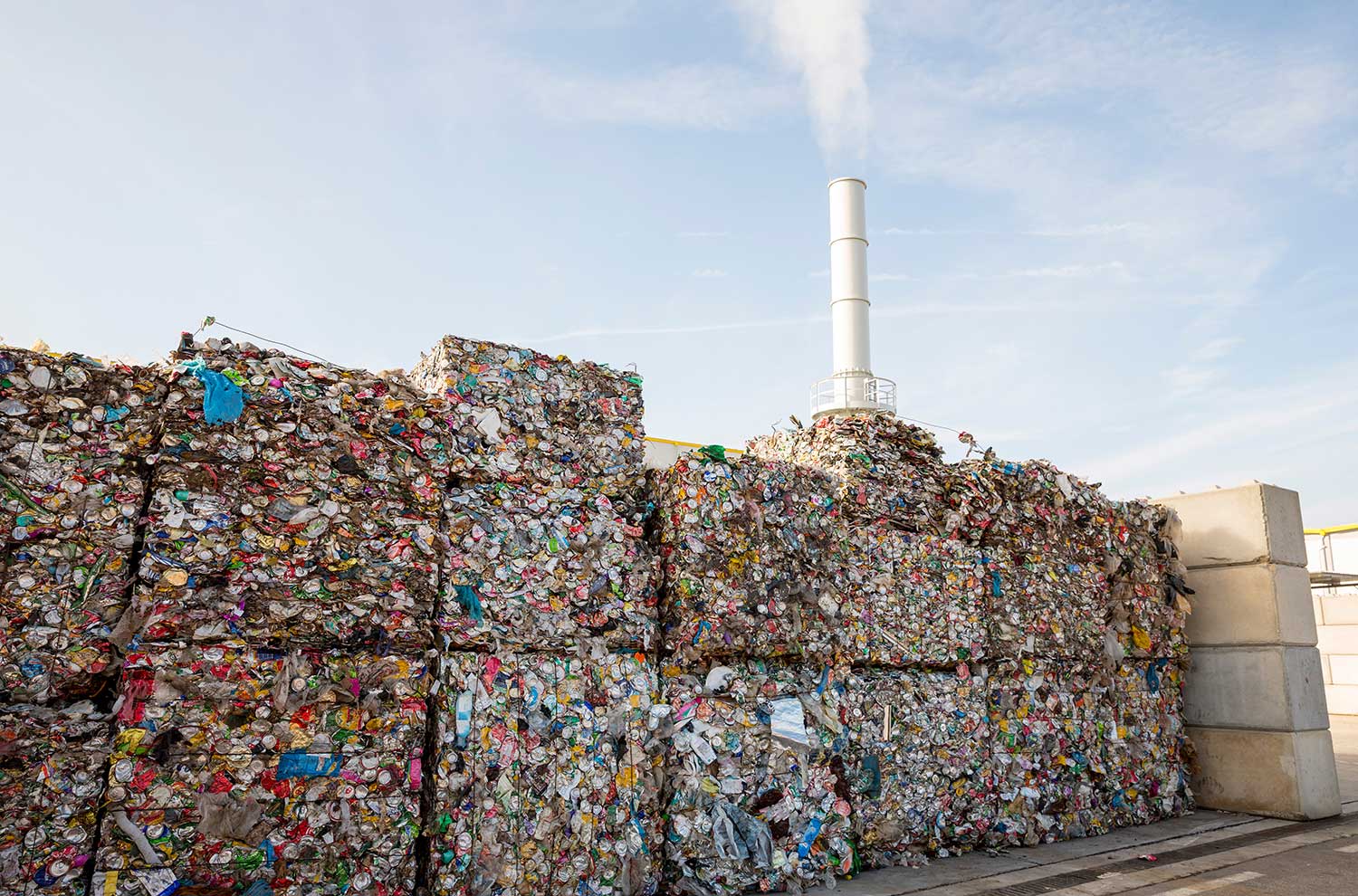
      Waste-to-energy or energy-from-waste is the process of generating energy in the form of electricity or heat from the primary treatment of waste. Cubes of pressed metal beer and soda cans.

      Role    

      Definition[4]

      Responsibility [4]

      Producers 

      The economic operator that first makes packaging or a packaged product available on the market within a Member State.


      Responsible for the entire life cycle of their packaging, including waste management. Their extended producer responsibility must:

      • cover the necessary costs of collection, sorting and recycling;
      • incentivise eco-design and recyclability through modulated fees;
      • ensure financial transparency and accountability.


      Manufacturers

      An entity that manufactures packaging or a packaged product, including a company that places packaging on the market under its own name or trademark, even where manufacturing is outsourced.

      Must:

      • conduct conformity assessments (manufacturers) or ensure that a conformity assessment has been carried out (importers), and maintain technical documentation for a period of five years, or 10 years in the case of reusable packaging;
      • issue an EU declaration of conformity (manufacturer), stating that their packaging meets the regulation’s requirements[5];
      • ensure proper labelling and documentation;
      • take corrective action (e.g. recall or withdraw) if non-compliance is suspected and inform authorities.

      Suppliers

      An entity that supplies packaging or packaging materials to another economic operator.

      Must provide manufacturers with all necessary information and documentation to demonstrate compliance.

      Distributors

      Any natural or legal person in the supply chain, other than the manufacturer or importer, that makes packaging available on the market.

      Must verify that packaging complies with EU rules and that manufacturers/importers have met their obligations, providing relevant information to authorities upon request.

      Fulfilment service providers

      An entity providing the following services without owning the products concerned: warehousing, packaging, addressing, and dispatching.

      Must ensure that handling, warehousing and dispatching processes do not compromise packaging compliance.

      Packaging waste management operators

      An entity responsible for the collection, transport, sorting, recovery, recycling or disposal of packaging waste.

      Must annually report packaging waste data to authorities and producers to support extended producer responsibility obligations.

      The table below sets out a number of common business scenarios to help organisations identify which party is likely to carry primary responsibility for demonstrating PPWR compliance and fulfilling associated documentation and conformity obligations.


      Physical packaging producer
      Irish supplier manufacturing packaging

      Brand owner / company commissioning packaging
      Irish business

      Who is responsible for PPWR compliance?
      Irish business

      Key PPWR responsibilities

      • Conformity assessment
      • Technical documentation
      • Declaration of Conformity

      Physical packaging producer
      Third party packager

      Brand owner / company commissioning packaging
      Irish retailer

      Who is responsible for PPWR compliance?
      Irish retailer

      Key PPWR responsibilities

      • PPWR compliance
      • Declaration of Conformity (DoC)

      Physical packaging producer
      EU business

      Brand owner / company commissioning packaging
      Irish purchaser

      Who is responsible for PPWR compliance?

      Usually remains with original manufacturer[6]

      Key PPWR responsibilities

      • Verify documentation where required

      Physical packaging producer
      Non-EU supplier

      Brand owner / company commissioning packaging
      Irish business

      Who is responsible for PPWR compliance?
      Irish business (acting as importer)

      Key PPWR responsibilities

      • Compliance documentation
      • Market access obligations

      Physical packaging producer
      Third party company

      Brand owner / company commissioning packaging
      N/A

      Who is responsible for PPWR compliance?
      Irish distributor

      Key PPWR responsibilities

      • Verification obligations only


      What does PPWR mean for your business?

      The PPWR shifts packaging compliance from a predominantly waste management issue to a broader business challenge. It will influence packaging design, supplier selection, data and documentation management, the operation of logistics and reuse systems, and how companies demonstrate compliance across their value chains.

      For many businesses, compliance will extend well beyond sustainability teams, requiring coordination across procurement, product development, operations, commercial functions, and supply chain management:


      • Packaging redesign required

        Many existing packaging formats were designed for logistics, branding, or customer experience rather than circularity and may need significant redesign.

      • Recycled material shortages may emerge

        Demand for post-consumer recycled (PCR) plastics is expected to increase significantly, while declining production and recycling capacity may constrain supply.

      • Reuse may be more disruptive than recyclability

        New reuse targets from 2030 will affect transport packaging, multipacks, beverage packaging, and packaging used in hospitality and food service, requiring businesses to rethink logistics, collection and refill systems.

      • Supply chain transparency becomes critical

        Compliance will depend on extensive technical documentation, traceability systems, and Declarations of Conformity across the value chain.

      • Supplier data gaps create compliance risks

        Obtaining required information, particularly from non-EU suppliers, may be challenging and could restrict lawful market access where conformity cannot be demonstrated.

      • Regulatory uncertainty remains

        Several implementing acts, methodologies, and technical standards are still being developed, including recyclability assessments, recycled-at-scale criteria, labelling and reporting requirements.

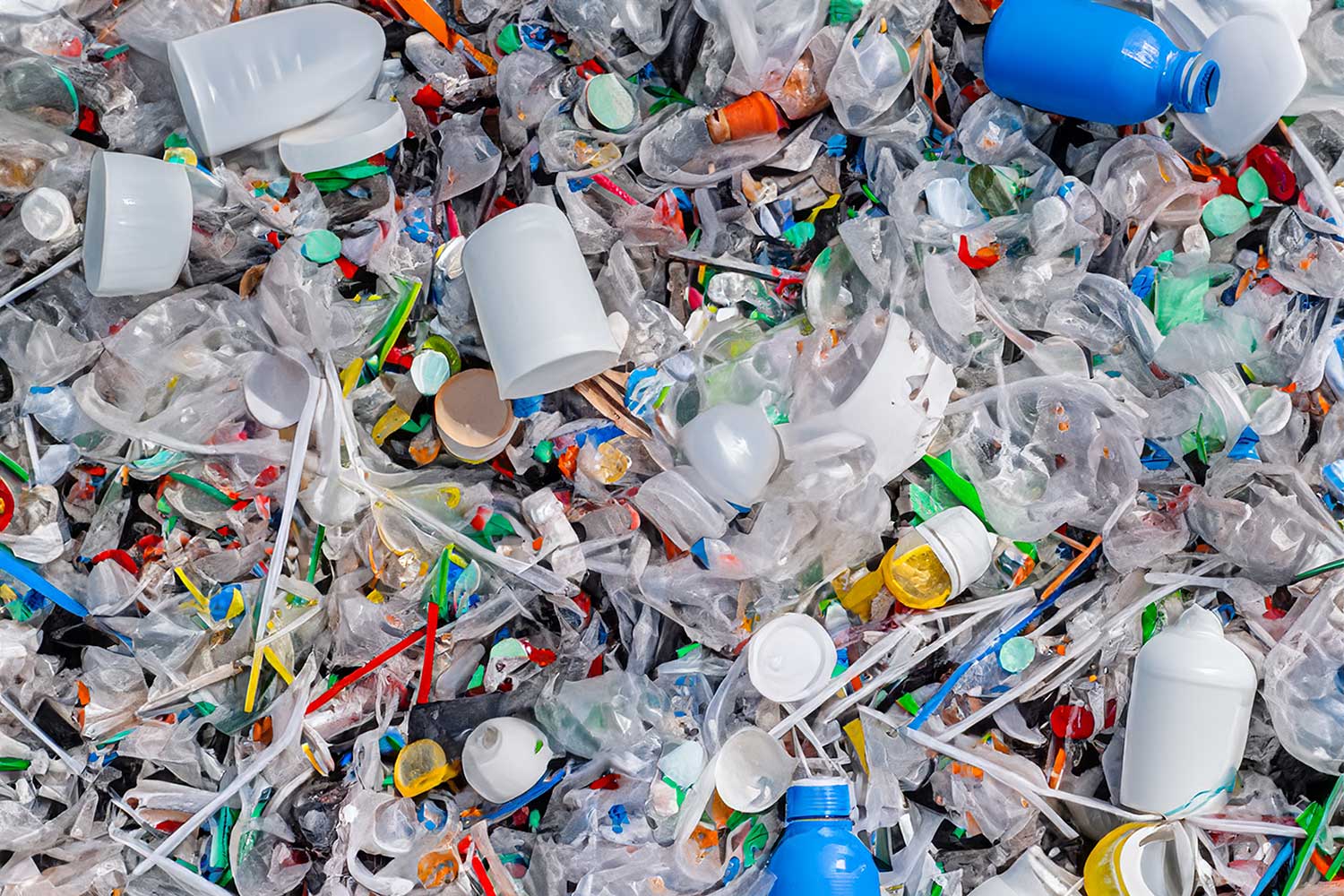
      Top view of plastic and other waste, highlighting environmental issues. Recycling and waste management

      Key steps to prepare for the PPWR

      Businesses should prioritise a structured approach to PPWR readiness across four key phases.

      Organisations that treat PPWR solely as a compliance exercise risk missing a broader strategic opportunity. Businesses that begin reviewing packaging portfolios, supplier relationships and circularity objectives now are likely to be better positioned to manage future regulatory requirements while identifying efficiencies and reducing long-term compliance costs.

      The Department of Climate, Energy and the Environment identifies Repak as Ireland's approved packaging compliance scheme operator. Companies established in Ireland, or placing packaged products on the Irish market, can find further information on PPWR-related registration and compliance requirements on the Repak website.


      • Scoping

        Identify your role under the PPWR for each packaging flow and legal entity. Map packaging across the value chain and identify high-risk formats that may face future redesign requirements.

      • Preparing

        Review packaging against PPWR requirements, including recyclability, recycled content, material minimisation and labelling obligations. Develop a phased roadmap that aligns actions with key milestones between 2026 and 2035, while assessing whether reuse models are viable for your products and supply chains.

      • Implementing

        Pilot packaging redesign and reuse initiatives. Assess technology, governance, and data requirements needed to support compliance and reporting, including reverse logistics, tracking systems, and customer participation models.

      • Embedding

        Integrate compliance into business-as-usual operations through supplier engagement, contractual requirements, and digital data management systems. Engage suppliers early to understand data availability, recyclability performance and future recycled content strategies.


      How KPMG can support you

      KPMG is supporting organisations across sectors to understand their PPWR compliance obligations, identify priority gaps and develop practical implementation roadmaps.

      Our multidisciplinary teams combine regulatory, sustainability, and supply chain expertise to help organisations prepare for compliance and advance broader circular economy objectives in an integrated manner.

      Recognising that PPWR challenges vary depending on an organisation's packaging portfolio, supply chain, and level of maturity, we tailor our approach to support each client's specific needs and obligations under the regulation.

      Our dedicated decarbonisation & sustainability advisory team
      Thomas Ball

      Nature, Biodiversity and Land Use Lead

      KPMG in Ireland

      Sarah Moran

      ESG Advisory Lead

      KPMG in Ireland

      Tim Keenan

      Manager, ESG Strategy & Transition Planning

      KPMG in Ireland

      Discover more in Sustainability

      Something went wrong

      Oops!! Something went wrong, please try again

      Footnotes

      [1] Plastic packaging waste in the EU: 35.3 kg per person - News articles - Eurostat

      [2] Regulation - EU - 2025/40 - EN - PPWR - EUR-Lex

      [3] Whole of Government Circular Economy Strategy 2026-2028. Accelerating Action

      [4] Packaging and packaging waste (from 2026) | EUR-Lex

      [5] The EU Declaration of Conformity is a formal statement by the manufacturer that the packaging complies with the applicable requirements of the PPWR. It must identify the packaging covered, reference the relevant conformity assessment procedures and supporting technical documentation, and be kept available to market surveillance authorities upon request.

      [6] Responsibility generally remains with the original manufacturer where packaging is purchased as a finished, compliant product. However, a purchaser may become the manufacturer where it places the packaging on the market under its own name or trademark. (Source: Regulation (EU) 2025/40 on Packaging and Packaging Waste (PPWR), Article 3(1)(13).