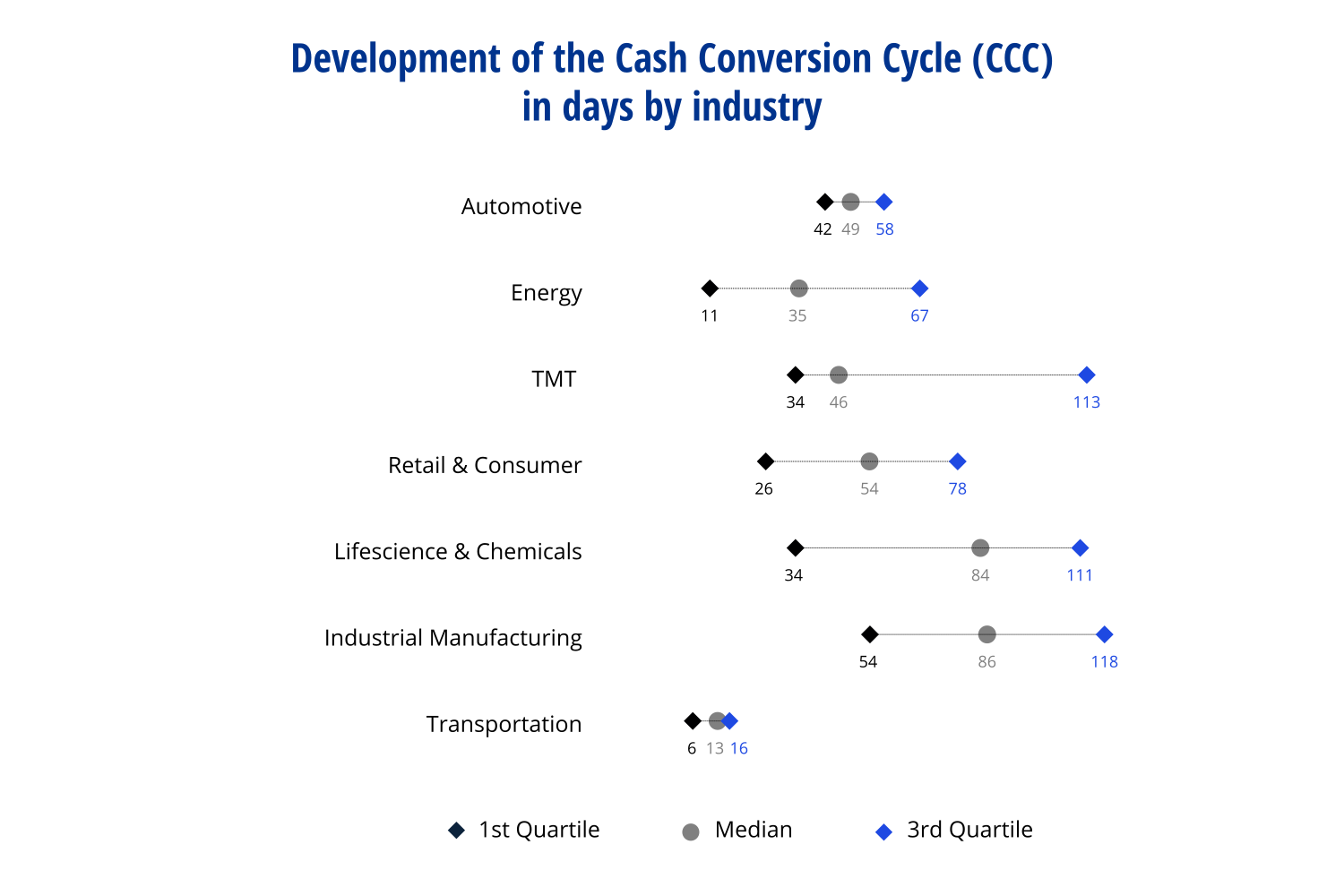
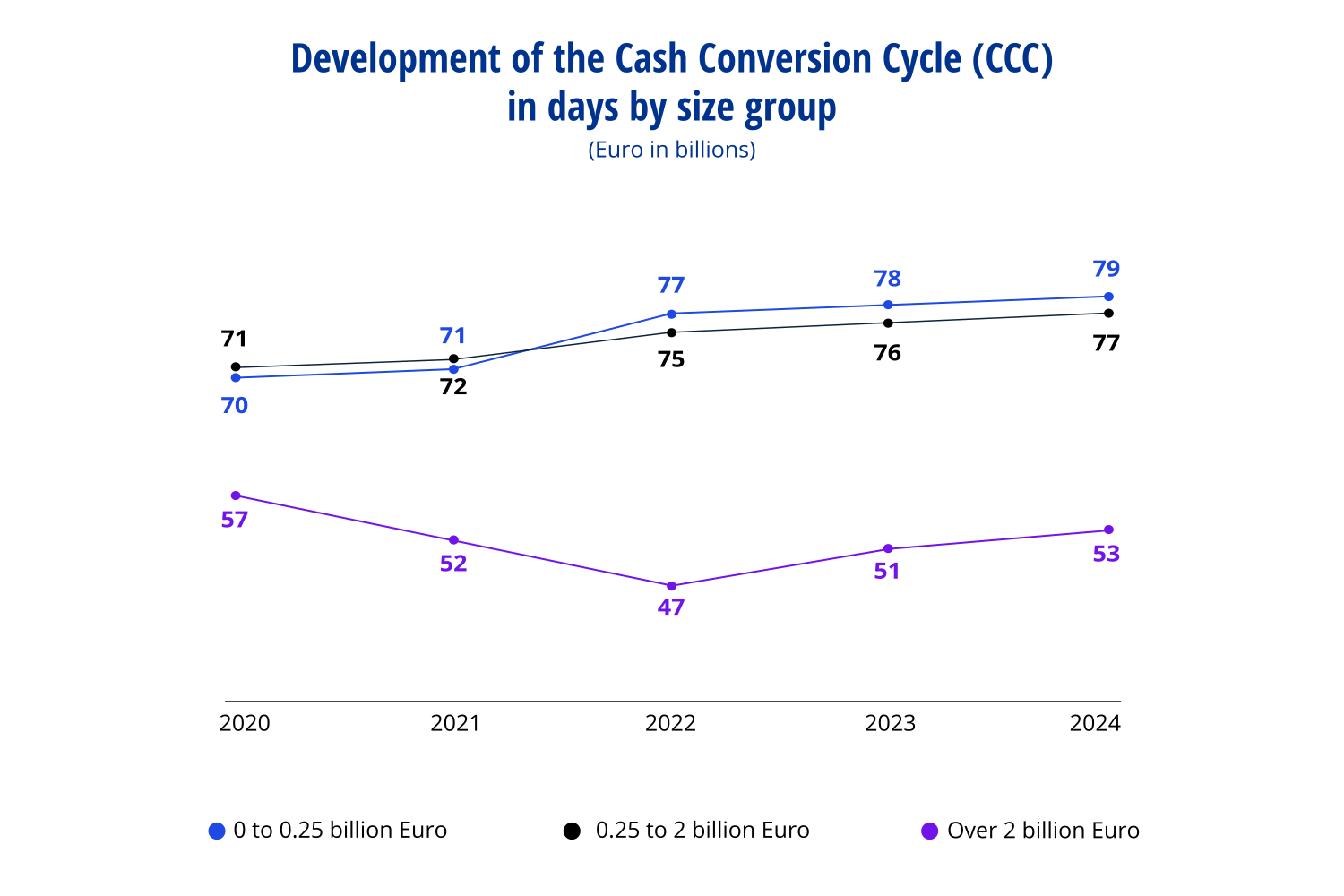
Managing working capital is a relevant strategic lever for many companies. Those who manage their capital commitment efficiently improve liquidity, reduce financing costs and create room for manoeuvre for investments.
A recent analysis of more than 300 German companies shows: Between 2022 and 2024, the cash conversion cycle (CCC) rose from 44 to 50 days.
The Days Inventories Outstanding (DIO) – i.e. the average number of days that goods are in stock – rose from 42 to 47 days. The volatility of supply chains is one of the main reasons for the increase. Companies are building up higher inventories for certain product groups. The days sales outstanding (DSO), which indicates how long it takes for a company to receive its trade receivables, was also 42 days higher in 2024 than in 2022. Companies tend to pay invoices later. This requires closer monitoring of due invoices in order to avoid payment defaults. At the same time, the Days Payable Outstanding (DPO) - i.e. the average time a company uses to settle its liabilities - fell, indicating shorter payment terms. At the same time, the Days Payable Outstanding increased by one day - i.e. the average time a company uses to settle its liabilities - which can be attributed to a deterioration in payment behaviour or an extension of payment terms. In addition, companies are increasingly turning to supply chain finance programmes.