Skip to navigation

      Switzerland is known for stability and preparedness. But how resilient are we when several crises strike at once?

      Cyberattacks, energy disruptions, geopolitical dependencies and AI are increasingly interconnected, creating risks that cannot be managed in isolation.

      Dr. Myriam Dunn Cavelty of the Center for Security Studies at ETH Zurich explains why resilience depends not only on technology and contingency plans, but on understanding dependencies, strengthening critical thinking and turning preparedness into action.

      Below you will find some selected questions from the interview. Download the PDF to read the full interview. We wish you a thought-provoking read.

      Prof. Dr. Reto Eberle

      Partner, Member of the Department of Professional Practice

      KPMG Switzerland

      Matthias Bossardt

      Partner, Head of Cyber & Digital Risk Consulting

      KPMG Switzerland

      Prof. Dr. Reto Eberle (RE): The Center for Security Studies (CSS) at ETH Zurich examines security policy and sociotechnical risks. What exactly does the CSS do and what is your role there?

      Dr. Myriam Dunn Cavelty (MDC): The CSS is more than a Think Tank. We are a center of competence for international and Swiss security policy. Since 2022 we have held a national mandate on behalf of the Swiss Confederation built on four pillars: teaching and continuing education, research, support for junior researchers, and policy consultancy. My own work spans all four areas.

      In my research, I focus primarily on digital technologies at the intersection with security policy, including cybersecurity, international politics and the question of how technologies change politics and society. My teaching includes cybersecurity policy and I am also a lecturer in the political science master’s program.

      In addition, I am involved in continuing education and provide coaching and mentoring to junior researchers. I have worked with the Federal Administration as a policy consultant for many years, currently on issues such as cybersecurity, digital sovereignty an integrating scientific expertise into crisis management. This interplay is precisely what makes the CSS special; our combination of research, teaching, support for the next generation of researchers and consultancy is beneficial beyond the boundaries of these individual areas.

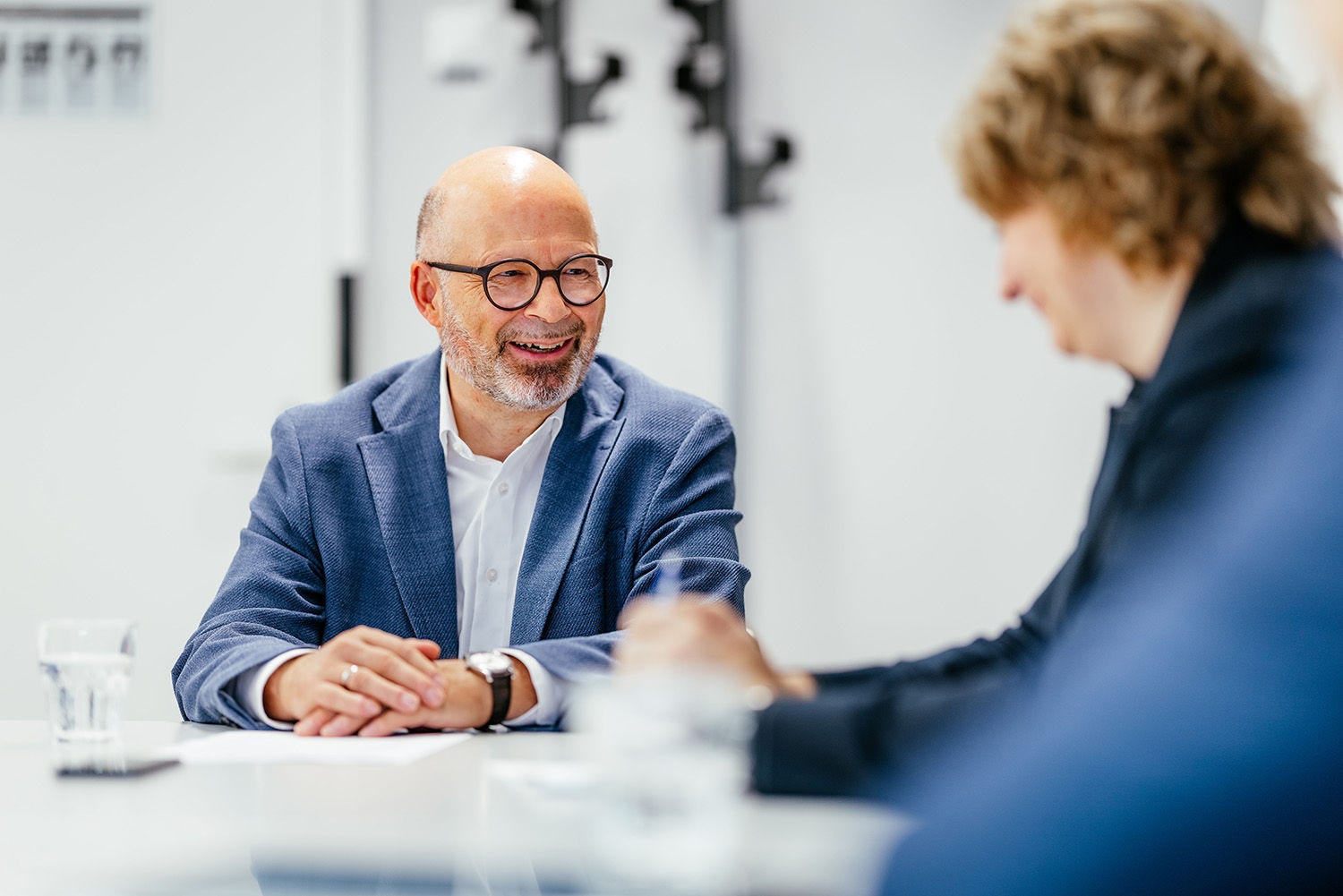
      Myriam Dunn Cavelty, Reto Eberle

      Matthias Bossardt (MB): How do scientific findings make their way to decision-makers in politics and business in practice?

      MDC: Our consultancy model is based on dialog. We do not just publish reports. We work with federal agencies and, in some cases, cantonal authorities, create platforms for exchange, run workshops and bring stakeholders together across institutional silos.

      Anticipation is particularly important: we strive to build expertise before an issue becomes urgent. At the same time, we step back as soon as a process reaches the stage of debate between political parties. For us, measuring impact is less about download figures than about qualitative indicators.

      Do our analyses inform decision-making? Are they featured in parliamentary initiatives or referenced internationally? What matters most is the trust built over many years while maintaining our academic freedom.

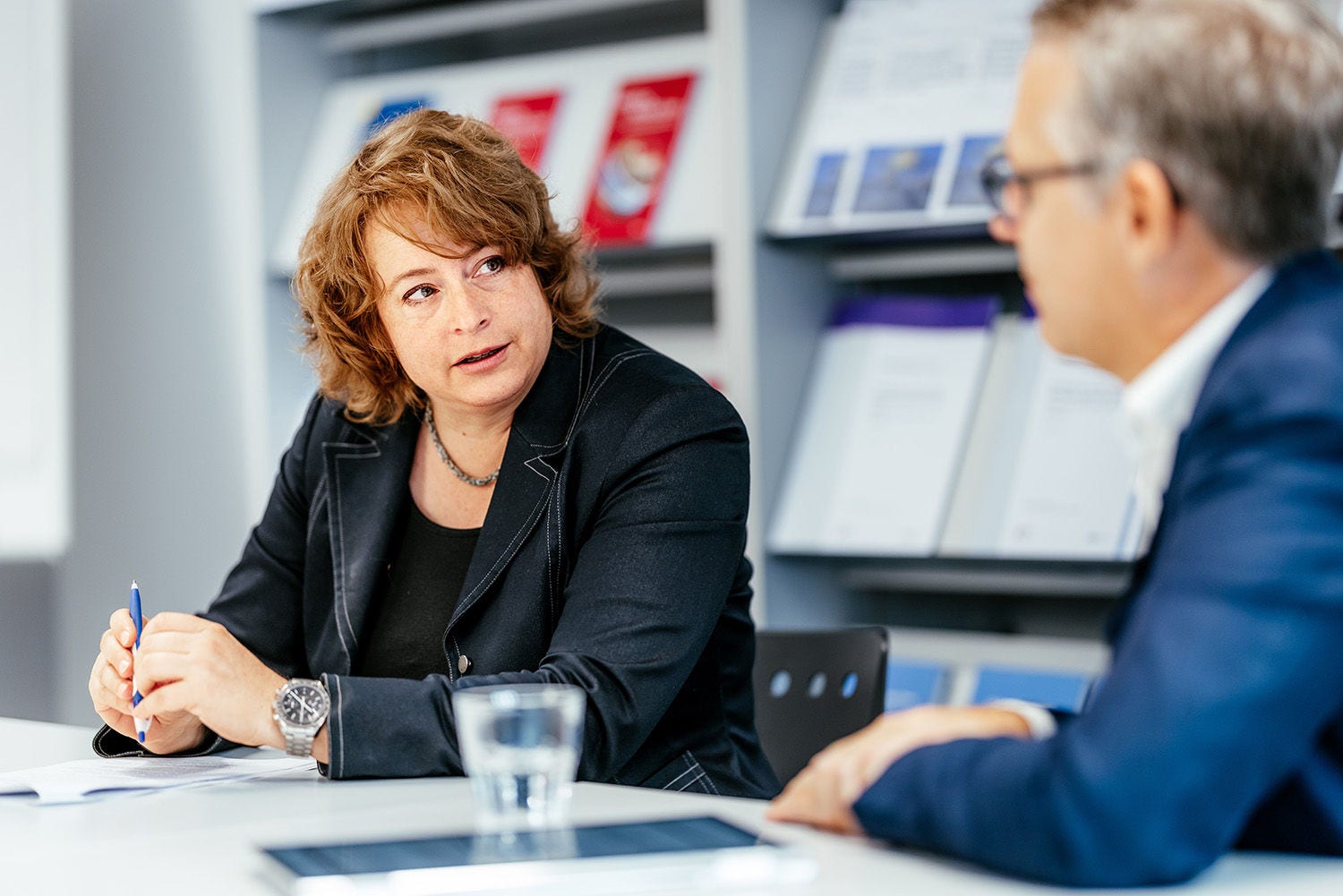
      Myriam Dunn Cavelty

      RE: Which risks pose the greatest challenges to Switzerland’s resilience today?

      MDC: Individual risks such as pandemics, power shortages or armed conflicts are generally analyzed quite well. The greater challenge, however, lies in what happens when they coincide. In international politics, we talk about “polycrises” or “polyrisks” – risks that occur simultaneously, reinforce one another or trigger cascading effects.

      Switzerland’s high degree of interconnectedness is both a strength and a vulnerability. Digital systems, supply chains, energy supplies, financial systems and societal responses are closely interlinked. Yet these interactions are difficult to capture in conventional analyses of individual risks.

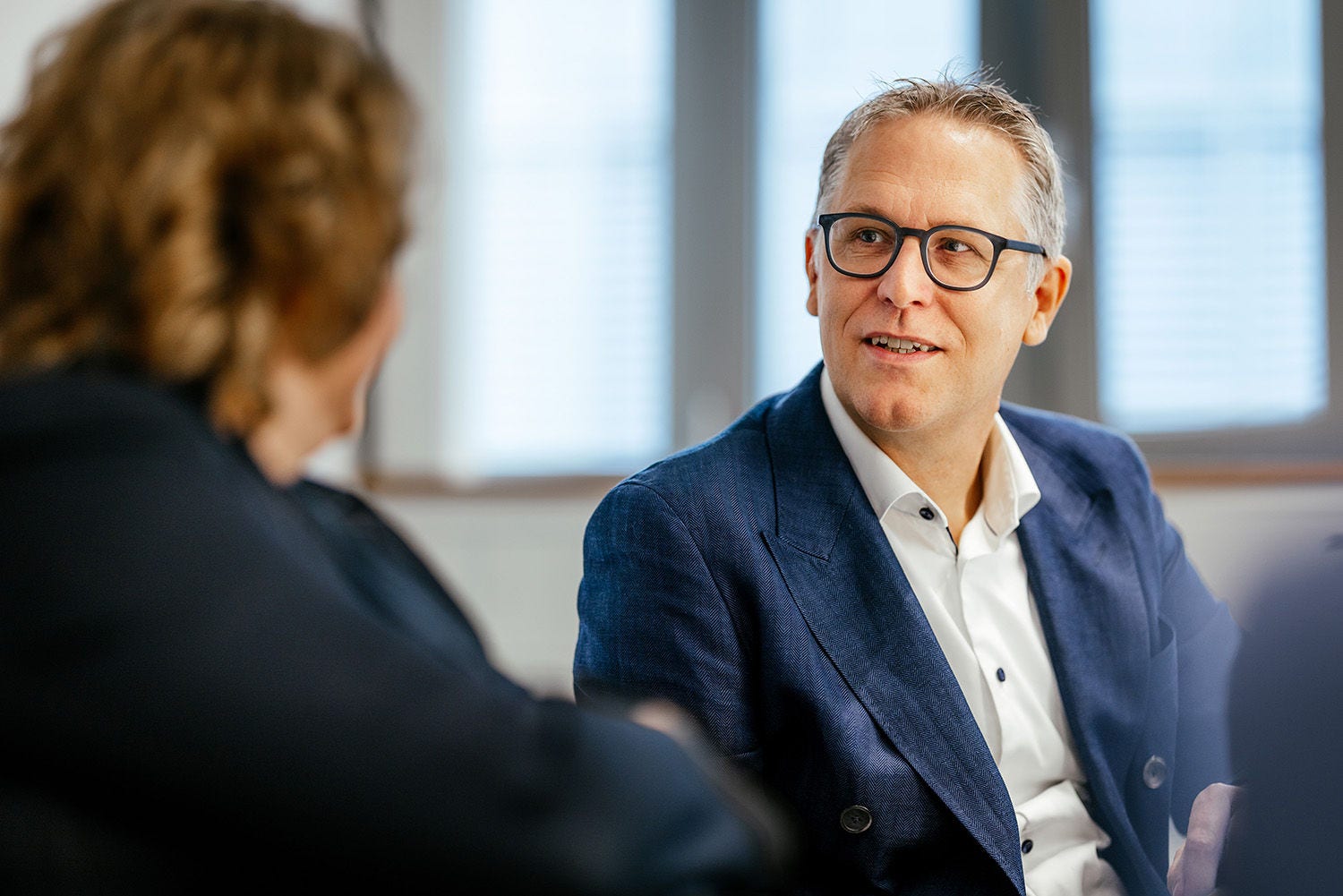
      Matthias Bossardt & Myriam Dunn Cavelty

      Download the full interview

      Interview with MDC

      How resilient is Switzerland?

      Interview with Dr. Myriam Dunn Cavelty, Deputy Director of the Think Tank at the Center for Security Studies (CSS), ETH Zurich

      Board Leadership Center

      Supporting your career as a board member

      woman leaning on wall