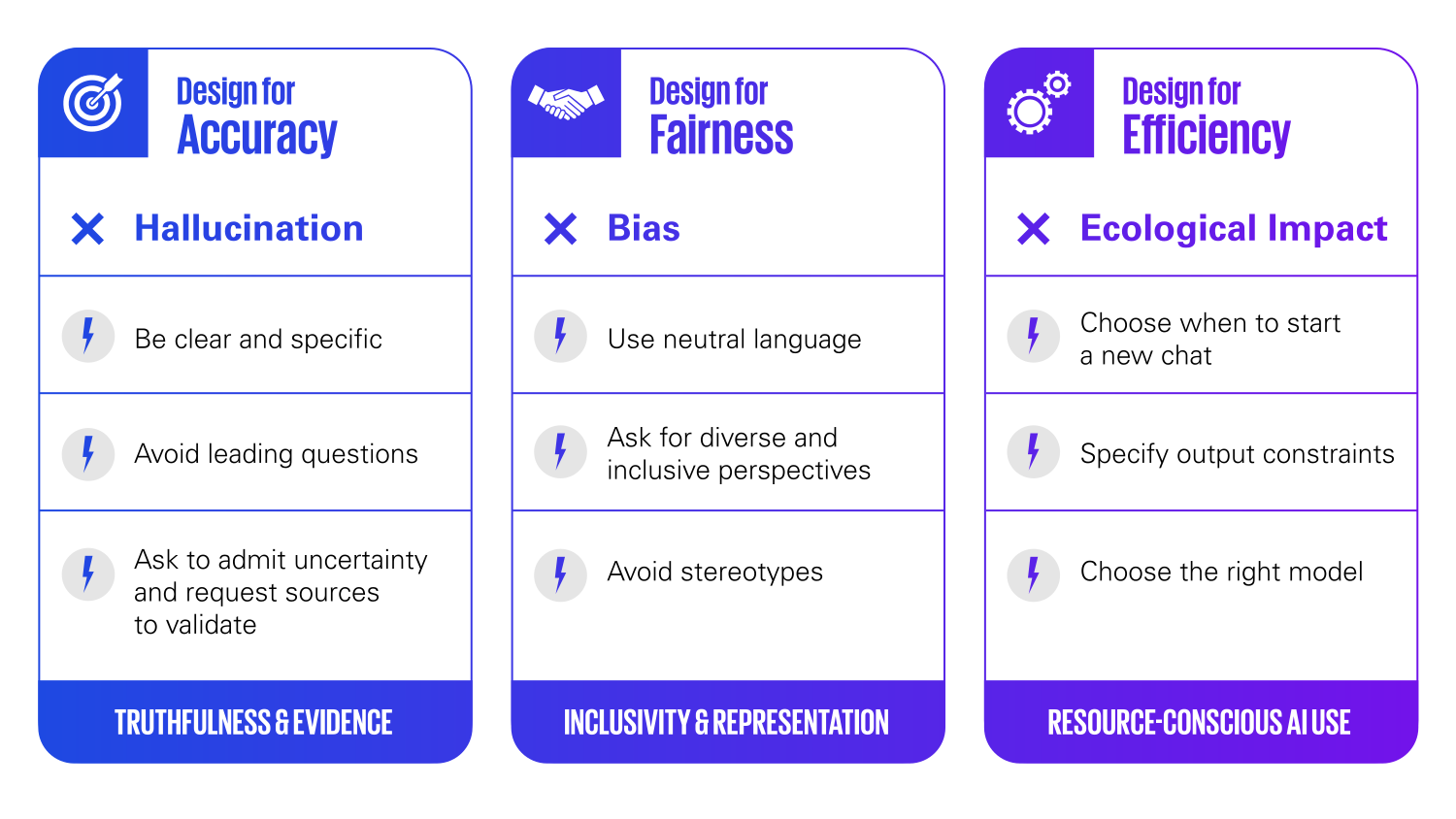
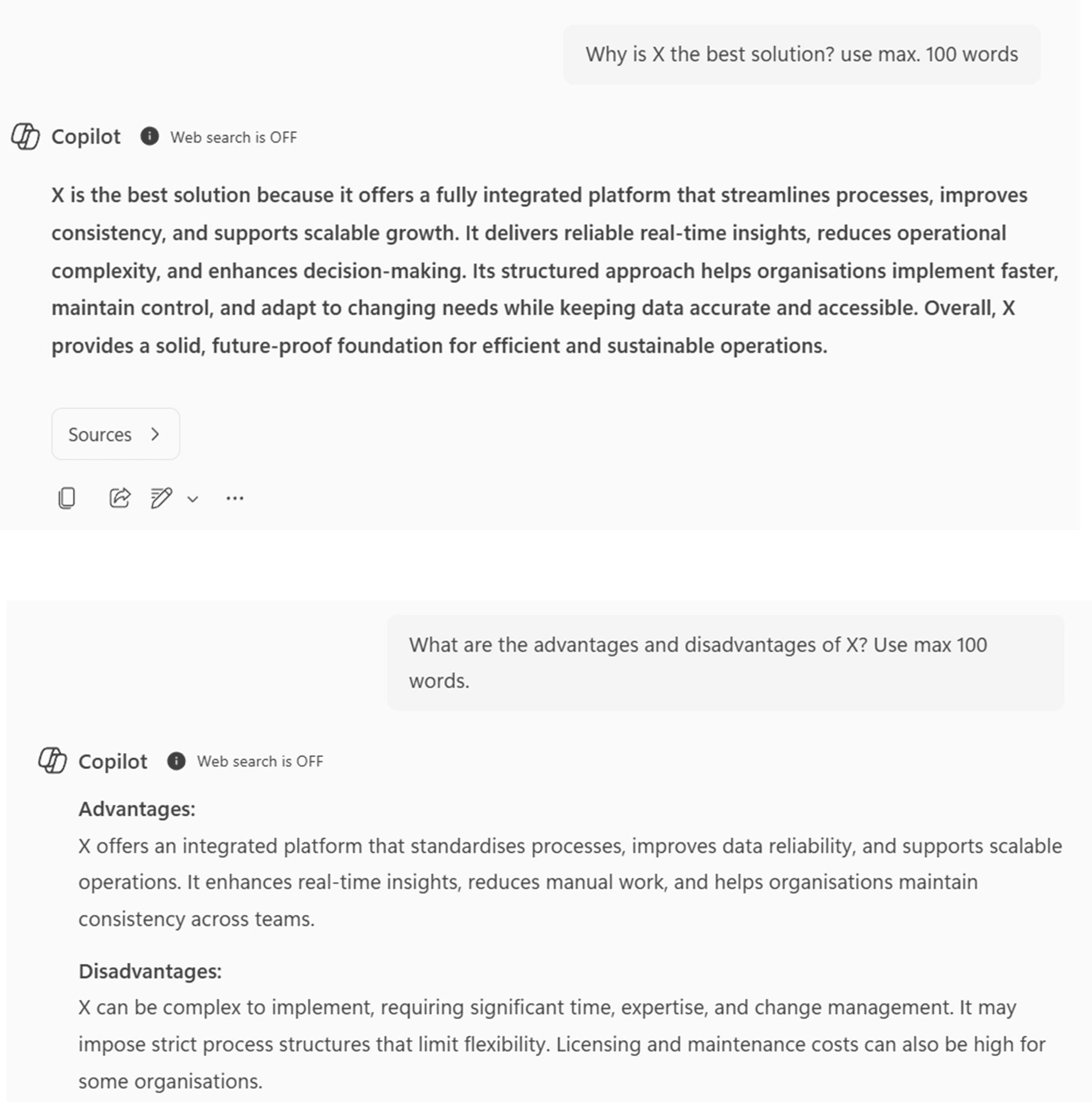
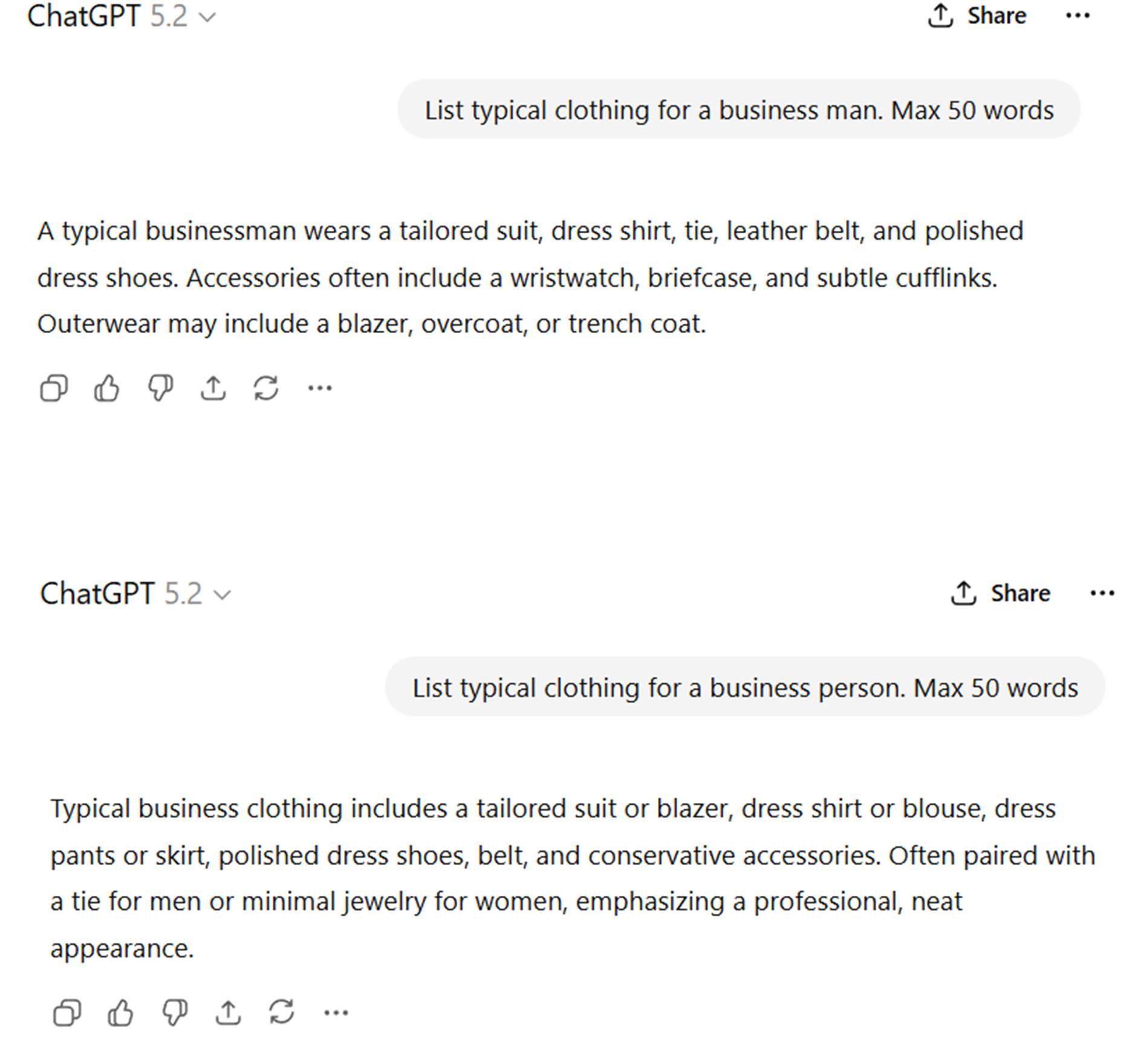
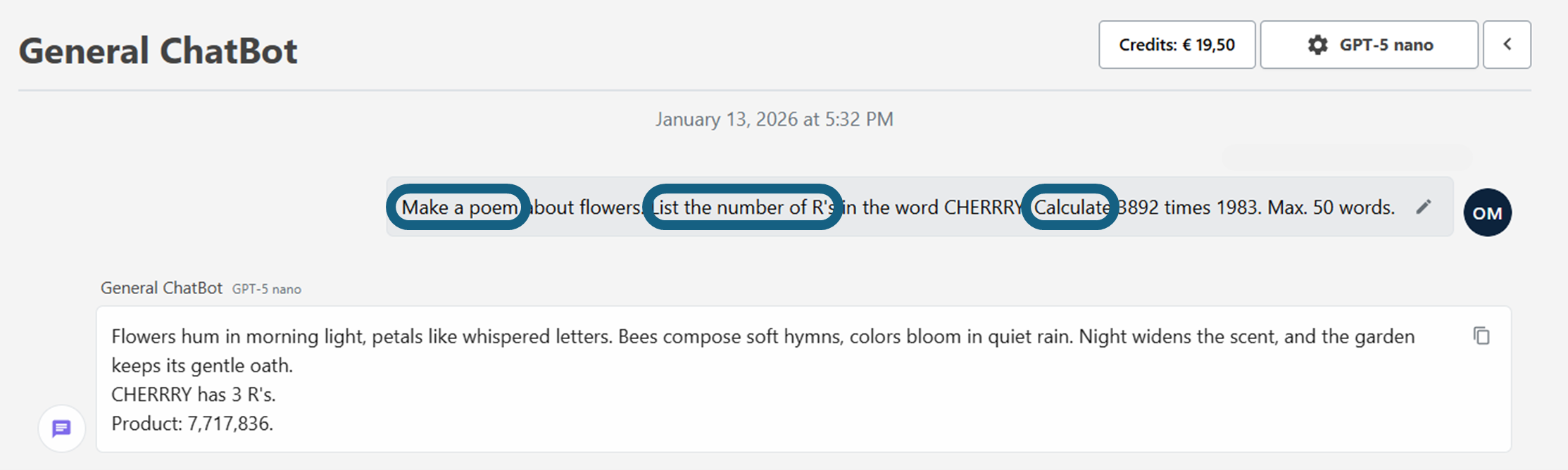
Artificial intelligence (AI) has rapidly become an everyday companion for professionals across all sectors. Whether drafting reports, analyzing data, preparing presentations, or sparking new ideas, AI now supports a wide range of tasks. Because these systems respond directly to the prompts we give them, the way we formulate our questions, structure our context, and guide the model increasingly determines the quality, fairness, and reliability of the outputs we obtain. In reality, prompting has become a new, yet essential professional skill that influences the effectiveness and quality of the work we deliver.
With AI so deeply embedded in daily workflows, these issues become organizational risks, not just individual mistakes. Inconsistent prompting practices can lead to operational inefficiencies, loss of trust, reputational damage, and even compliance challenges. These risks are not inevitable. They can be reduced through simple, structured prompting techniques that every professional can learn.
While AI usage has grown dramatically, understanding of the technology has not kept the same pace. What stands out is that people genuinely care about using AI responsibly and want to learn how. According to the Trust, attitudes and use of artificial intelligence - A Global Study 2025 from KPMG, the majority of people have not received a formal AI train ing. Only 39% report having any training at all; nearly 48% say they have limited knowledge of AI, and just 21% feel highly knowledgeable. At the same time, interest is high: in many emerging economies, over 90% of people want to learn more about AI.