CEOs back growth as cyber, AI and skills gaps reshape investment decisions

      The 12th KPMG Global CEO Outlook reveals a widening gap between CEOs’ outlook for their own businesses and for the global economy. Confidence in their organizations’ three-year growth prospects has increased from 79 percent in 2025 to 84 percent, while confidence in the global economy has fallen from 68 percent to 65 percent, the lowest it has been since 2021. Earnings expectations have also strengthened: 68 percent anticipate annual growth of at least 2.5 percent, compared with 61 percent in 2025. The findings suggest CEOs believe they can continue to deliver growth within their businesses despite a less certain external environment, but 79 percent feel under more pressure to ensure the long-term prosperity of their organizations.

      Confidence in growth is being tested by a shifting risk environment, with cybersecurity and data security now the leading threats to growth. In response, 45 percent of CEOs say they plan to increase investment in cyber and digital risk resilience over the next three years, making it the top area for investment. AI presents a similar tension between ambition and delivery. It remains a top investment priority for 79 percent of CEOs, up from 71 percent in 2025, and 66 percent believe their organization is moving at the right pace or ahead of the curve. Yet the implementation challenges they rate most highly – ethical challenges, cybersecurity, cost and data sovereignty – show how much turning that investment into value depends on governance and operational readiness.

      As they pursue growth, CEOs are focused on addressing skills gaps across their workforce and training employees to work with AI, their two leading workforce concerns. Continued investment in upskilling and reskilling, providing tailored role-specific training on how AI can support people in role, alongside open communication about AI’s impact, will be critical to preparing the workforce for the future.

      Sustainability is moving deeper into strategy: 63 percent of CEOs describe their primary response over the past year as embedding it more deeply, and 70 percent weigh its costs and returns in at least some investment decisions. AI sits on both sides of that agenda. Around eight in ten CEOs believe it can support climate priorities, yet 95 percent agree that there is concern across their organization about its environmental impact more broadly.

      The findings show that decisions shaping growth are becoming increasingly interconnected.

      Across the Middle East, business leaders face the task of pursuing growth with the discipline to sustain it through uncertainty. Markets across the region face different realities, but the need to connect ambition with the capabilities to deliver is shared.

      Growth in non-oil activities in Saudi Arabia and the UAE, alongside Oman’s focus on connecting digital transformation with governance, skills and infrastructure, illustrates the opportunities taking shape across the region. For leaders, the challenge is to translate these developments into lasting business value while remaining responsive to changing market conditions. This requires resilience, innovation and people to be considered together, with investment decisions reflecting both immediate business needs and longer-term priorities. Cyber and digital resilience must underpin how organizations operate and grow, while governance, ethical judgment and regulatory readiness must advance alongside AI adoption.

      Establishing clear accountability and strong data foundations can help organizations put these principles into practice as they expand their use of technology. Employees need the skills, communication and support to contribute confidently as their roles evolve, alongside opportunities to apply new capabilities in their everyday work. Organizations must also consider AI’s environmental impact alongside its potential to improve efficiency and support sustainability, ensuring that decisions about adoption account for both its benefits and resource demands. Bringing these priorities together can help business leaders make better investment decisions, sustain performance under pressure and build businesses equipped for long-term success.
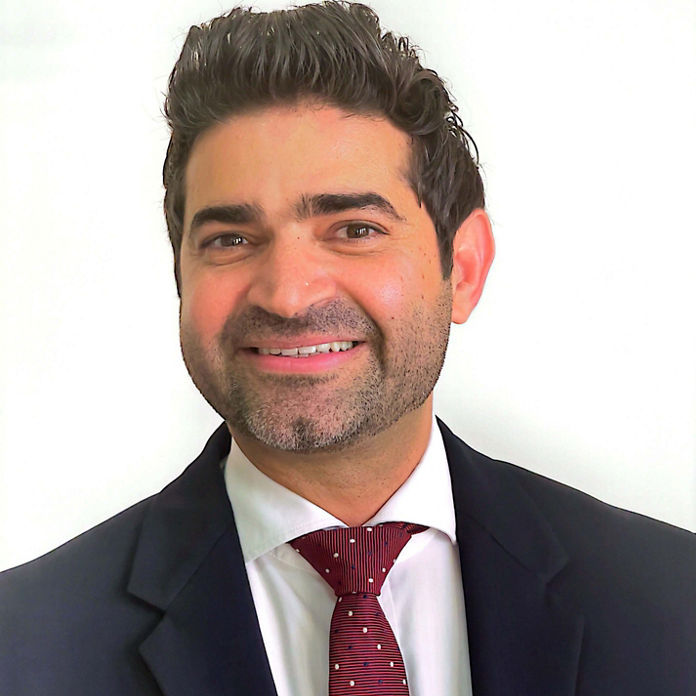
      The next chapter of growth in the Middle East will depend on how decisively leaders turn ambition into action. As we navigate uncertainty and pursue transformation, resilience must be built into our strategy and investment decisions, giving our businesses the flexibility to respond to immediate pressures while keeping long-term priorities in view. AI presents significant opportunities, but realizing its value requires strong governance, digital trust and people equipped to work in new ways. We expect 40% to 50% of what we do today to change significantly over the next four years. We need to be clear about where technology can make a meaningful difference, who is accountable for its outcomes and how we support our people as their roles evolve. We must strive to improve efficiency and sustainability, weighing resource demands as carefully as the benefits we seek to achieve.

      Islam Albayaa

      CEO

      KPMG Middle East

      The view from Saudi Arabia

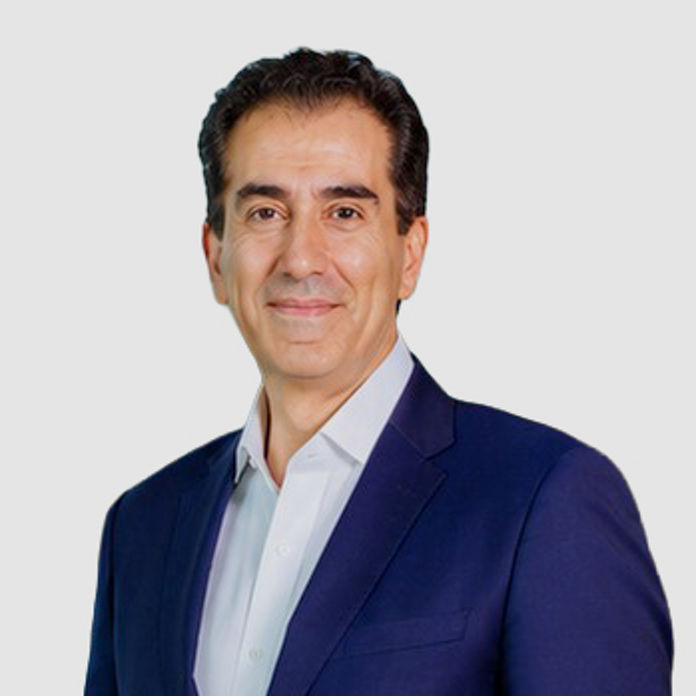
      Saudi Arabia’s transformation is progressing against a more complex external environment. Geopolitical tensions, energy-market risks and supply-chain disruption are making business planning more demanding, while continued non-oil growth demonstrates the resilience of a broader economic base. In this environment, resilience is not simply about protecting the business from disruption. It is about preserving the capacity to invest, adapt and act when opportunities emerge. Leaders need to remain responsive to today’s pressures while continuing to build the people and capabilities that will sustain long-term growth.

      Growth ambitions carry greater weight when leaders can sustain them through uncertainty. Confidence must translate into clear investment choices, adaptable operations and people equipped to respond. The decisions we make under pressure should strengthen our ability to compete and capture the opportunities ahead.

      Khalil Al Sedais

      Country Leader, Saudi Arabia

      KPMG Middle East

      The view from the UAE

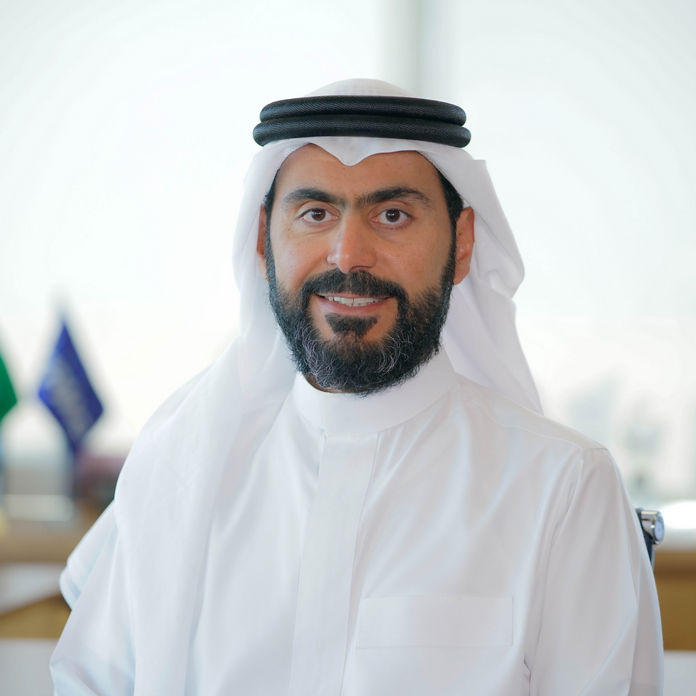
      For businesses in the UAE, the outlook for growth is closely linked to the ability to keep trade, investment and essential operations moving through uncertainty. National efforts to strengthen supply chains, together with the resilience of the banking system, provide important foundations. The leadership task is to build that readiness into individual organizations: understanding dependencies, testing continuity plans and retaining financial and operational flexibility to respond when conditions change. In our view, resilience should also guide how businesses invest for the future. Secure technology, clear governance and people equipped to make informed decisions can help organizations adapt without losing momentum. As new technologies are adopted, their contribution to efficiency should be considered alongside their resource demands and environmental impact. Businesses that can continue delivering for customers and partners under pressure will be better positioned to earn trust, pursue opportunities and strengthen their long-term competitiveness.

      A business is only as resilient as the relationships and systems it depends on. Strong partnerships, trusted information, and clear accountability enable leaders to identify risks earlier and respond together. By looking beyond our own operations, we can strengthen the networks that underpin growth and build lasting trust with customers, communities and other stakeholders.

      Emilio Pera

      Country Leader, UAE

      KPMG Middle East

      The view from Oman

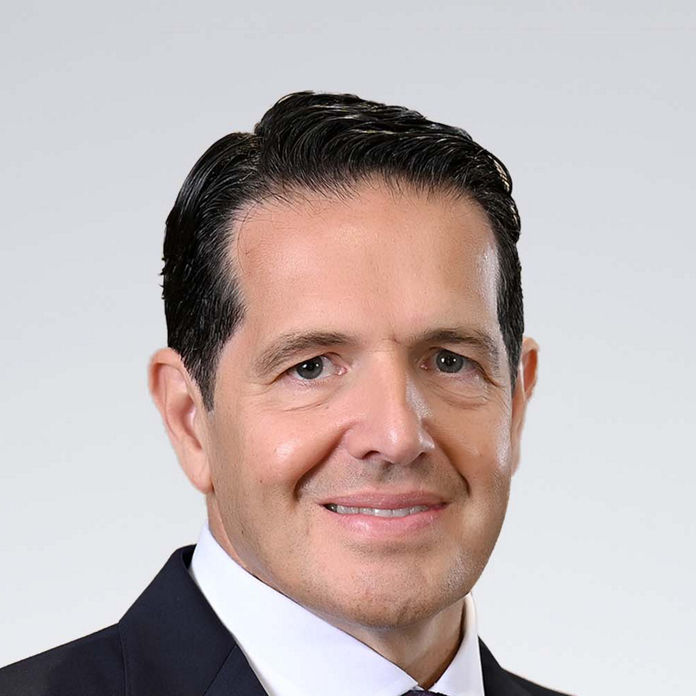
      Oman is advancing its growth agenda with growing confidence as it progresses towards the ambitions of Vision 2040. Recent government initiatives to attract foreign direct investment, strengthen the business environment and encourage private-sector growth are creating new opportunities for businesses. At the same time, this confidence is being tested by an evolving risk landscape, with geopolitical uncertainty, cybersecurity and data security placing greater demands on business resilience and leadership. Business leaders should ask whether their teams can recognize emerging risks, act confidently and learn from disruption. Building that readiness into everyday work can help organizations protect trust and sustain performance as they pursue growth.

      For businesses, this means strengthening resilience while remaining agile enough to capture emerging opportunities. Leaders need to understand critical dependencies, anticipate disruption and embed risk considerations into investment and operational decisions. Building strong governance, digital resilience and capable teams will be essential. Organizations that can respond quickly to changing conditions, while maintaining a clear long-term direction, will be better positioned to sustain performance, protect trust and deliver lasting growth.

      Aqeel Al Lawati

      Regional Managing Partner – Oman

      KPMG Middle East

      Economic outlook


      Cyber leads a crowded risk agenda


      CEOs’ confidence in their own businesses sits alongside a demanding external outlook. Cybersecurity and data security is cited as the most common threat to growth, cited by 31 percent. Global economic uncertainty follows at 28 percent, with geopolitical instability and regulatory pressure both at 26 percent.

      Only five percentage points separate those four risks, with supply-chain resilience close behind at 24 percent. CEOs are preparing for several sources of disruption rather than organizing their response around one overriding concern.


      Investment priorities mirror that range of pressures. Cybersecurity and digital-risk resilience is the most commonly selected area in which CEOs have increased investment to mitigate business risks, cited by 45 percent. Regulatory compliance and reporting follows at 36 percent, with AI integration into operations and workflows at 32 percent.

      Most CEOs are maintaining their existing appetite for risk, at 61 percent. Sixteen percent are taking more risk to capture opportunities, 17 percent are becoming more cautious, and six percent are prioritizing risk mitigation over new opportunities.

      Cyber provides the clearest connection between risk and response. It is the leading threat to growth, the leading area of increased risk-mitigation spending and one of the AI implementation challenges CEOs rank most highly. This highlights the role of resilience in supporting both growth and technology adoption.

      The economic outlook sets the conditions for growth; how businesses respond will shape the outcome. In the Middle East, diversification and greater private-sector participation in key markets are opening opportunities, even as global uncertainty makes investment choices more demanding. For leaders, the task is to understand where demand is moving and where their businesses can compete with confidence. That means directing investment towards opportunities they are equipped to deliver, while building the resilience to stay the course as conditions change.

      Confidence in the potential of our region should be matched by clarity of purpose. For business leaders, that means understanding what clients will need next, choosing where to invest and staying adaptable as markets evolve. The strongest foundation for growth is a long-term vision backed by the capacity to deliver.

      Ismail Alani

      Partner, Head of Clients and Markets; Infrastructure, Government and Healthcare Leader

      KPMG Middle East


      Where should Saudi businesses invest when the outlook is uncertain? Saudi Arabia’s continued focus on long-term development, alongside fiscal discipline, offers a useful parallel for business leaders: pursue growth at a pace the organization can sustain. Geopolitical pressures make it important to revisit assumptions on demand, costs and returns, while preserving the capacity to adapt as conditions change. The aim is not simply to manage uncertainty, but to preserve the strategic optionality to invest and grow when opportunities emerge.

      For business leaders in the UAE, confidence is most useful when it leaves room for different outcomes. The CEO Outlook’s balance of growth ambition and caution makes scenario planning particularly relevant to commercial strategy. Testing expansion plans against changes in demand, costs and client priorities can help businesses judge when to accelerate and when to adjust. The aim is to keep pursuing growth with a clear understanding of what would change the decision.

      Oman’s growth agenda brings investment in diversification together with fiscal discipline. The 2026 budget prioritizes education, infrastructure and digital transformation while maintaining a focus on fiscal sustainability. Alongside this, the Ministry of Transport, Communications and Information Technology’s National Digital Economy Program supports digital adoption among small and medium-sized enterprises and the development of domestic digital industries. For business leaders, these priorities point to opportunities to improve productivity and compete in a more diversified economy. Capturing them will require careful investment choices, supported by the operational capabilities and financial flexibility to sustain progress as conditions change.


      Technology and AI


      CEOs back AI, but ethics, security and cost shape delivery


      AI is firmly embedded in CEOs’ investment plans. Seventy-nine percent say it remains a top priority over the next three years, up from 71 percent in 2025. Confidence is also high: 66 percent believe their organization is moving at the right pace or ahead of the curve. A further 29 percent are cautiously optimistic, while approximately 5 percent are struggling or uncertain. Nearly three-quarters of CEOs (72 percent) expect to spend more than 10 percent of their budget on AI over the next year.

      With investment commitment and confidence both high, the more immediate question is how to implement AI and optimize value. Ethical challenges1 are most frequently rated very or mostly challenging, at 57 percent. Cybersecurity follows at 52 percent, with cost at 51 percent and data-sovereignty requirements at 50 percent. Taken together, these findings suggest that trust, security and embedded controls are becoming important considerations alongside technical capability in the AI agenda.

      Governance and regulation are central to that work. Fifty-nine percent say AI and data sovereignty are prompting greater attention to internal data governance and controls. Sixty-six percent expect the pace of AI regulation to present a barrier to organizational success. For businesses operating across borders, the challenge is to scale AI while varying requirements continue to develop and differ between markets.

      The wider technology environment is also becoming more consequential. More than eight in ten expect AI integration, cybercrime and technology-infrastructure costs to effect organizational prosperity over the next three years, all notably higher than in 2025.

      Returns are expected over the medium term: Seventy-one percent anticipate seeing a return within one to three years, while 17 percent expect it within 12 months. 


      The region’s AI opportunity will be defined by how effectively ambition translates into business performance. Across the Middle East, government frameworks are reinforcing the importance of responsible adoption, security and accountability. For CEOs, this means making governance part of the growth strategy: choosing applications with clear business value, strengthening data foundations and building security into implementation from the outset. Connecting these priorities can help organizations scale AI with confidence, improve productivity and build resilience to sustain growth through uncertainty.


      The race to lead in AI is reshaping how businesses across the Middle East compete. Across every sector, AI is becoming a strategic opportunity to improve decisions, transform operations and create new value for customers. For CEOs, the ambition must reach beyond adopting technology to rethinking what their business can achieve. AI transformation is business transformation, and its success will be measured by the results it delivers. CEOs who connect innovation with clear accountability create the conditions for lasting business value. The opportunity is to turn the region’s ambition into stronger businesses.

      Robert Ptaszynski

      Partner, Head of Technology, Alliances and Digital Innovation

      KPMG Middle East


      AI earns trust through the decisions it makes possible, and the accountability behind them. For C-suite executives across the Middle East, realizing its value means looking beyond deployment to how systems perform in practice. Regional government frameworks emphasize ongoing risk assessment, data protection and human oversight, reinforcing the need to monitor AI throughout its use. CEOs should establish who is accountable for AI outcomes, how performance is evaluated and when human intervention is needed. These disciplines can help businesses identify weaknesses early and expand applications that demonstrate value, making responsible AI a foundation for lasting returns.

      AI deployment is a milestone; sustained performance is the measure of success. Leaders who evaluate outcomes, assign clear ownership and know when people must intervene are better positioned to turn promising applications into lasting returns.

      Maz Hussain

      Partner, Digital Foundations Leader

      KPMG Middle East


      Talent


      Headcount growth continues, but capability is the workforce challenge


      Eighty-nine percent of CEOs expect their organization’s overall headcount to increase over the next three years, although 62 percent believe that increase will be under 5 percent. To support that growth, CEOs are focused on building the skills and capabilities their organizations will need for the future. Skills gaps are considered a significant workforce challenge, identified by 56 percent. Upskilling and training employees in AI systems follows at 52 percent, with attracting and retaining talent at 47 percent.


      Workforce resistance sits near the bottom of AI implementation challenges, with 26 percent rating it very or mostly challenging. CEOs are responding through communication and development. Over the next 12 months, 51 percent plan to communicate openly about AI’s effect on roles; 46 percent plan reskilling and upskilling programs; and the same proportion plan tailored training on how AI can support people in their jobs.

      The Middle East’s transformation will advance through people who have the skills and confidence to shape it. In Saudi Arabia, the Ministry of Education is helping drive AI skills development through its partnership with the Saudi Data and Artificial Intelligence Authority (SDAIA) and the Ministry of Human Resources and Social Development on the Samai initiative, which had trained more than one million citizens in AI by November 2025. The ministry has encouraged school and university students to participate, connecting education with the capabilities needed for the Kingdom’s digital future. Elsewhere in the region, Dubai’s One Million Prompters initiative provides training in AI literacy, prompt engineering and practical tools to improve workplace productivity, while Oman’s Makeen camps combine theoretical and practical training in cloud computing and cybersecurity to strengthen readiness for employment. These initiatives create opportunities for employers to connect national ambition with workforce development. As people leaders, we should build on this momentum through learning tailored to individual roles, opportunities to apply new skills and clear conversations about how work is changing. Helping people see a future for themselves within that change can strengthen adaptability and bring human judgment and technology together to support lasting business growth.


      Confidence in business growth starts with people seeing a future for themselves within it. Giving them the skills, clarity and opportunities to evolve helps turn transformation into shared progress.

      Marketa Simkova

      Partner, Chief People Officer

      KPMG Middle East


      Growth ambitions put an organization’s ability to change to the test. National transformation agendas across the region create an opportunity to rethink how teams, decisions and responsibilities are organized. For example, in the UAE, the Federal Authority for Government Human Resources’ HR 2.0 Talent Management program prepares federal HR leaders to respond to AI’s impact on jobs, skills and ways of working. Its training covers workforce planning, job redesign and using data to inform decisions, with practical exercises based on challenges faced by government HR teams. The program also develops leaders’ ability to guide organizational change and strengthen collaboration across federal entities. As AI enters everyday operations, leaders should examine where decisions sit, how functions work together and what managers need to lead the transition. The priority is to make new ways of working clear and practical, with ownership for delivery and measures of progress. This can help organizations turn strategic ambition into consistent execution while remaining responsive to uncertainty.

      As AI changes the work, people need clarity on how their roles will evolve and where their judgment matters most. Managers are central to that transition: involving teams in redesigning work, clarifying responsibilities and helping them put new capabilities into practice.

      Haitham Ibrahim

      Partner, Head of People and Change

      KPMG Middle East


      Sustainability


      CEOs embed sustainability more deeply into strategy

      Most CEOs say recent geopolitical developments and internal pressures have brought sustainability closer to core business strategy. Sixty-three percent describe their primary response over the past year as embedding sustainability more deeply. A further 21 percent are refocusing on the issues most critical to the business, while 14 percent are expanding their efforts.

      Sustainability also features in capital allocation. Seventy percent consider the costs and potential returns of sustainability initiatives in at least some investment decisions, including 29 percent who do so in every major capital decision.

      Delivery remains difficult. Ninety-one percent say differences in sustainability regulation and expectations across markets create significant or moderate challenges. The leading barriers to achieving Net Zero or similar climate ambitions are decarbonizing supply chains, cited by 22 percent; inconsistent regulation across jurisdictions, at 20 percent; cost, at 16 percent; and a lack of skills and expertise, at 15 percent.

      AI adds a further tension. CEOs see significant potential for the technology to support climate and sustainability priorities, yet 95 percent agree that there is concern across their organization about the broad environmental impact of increased AI use.


      Energy sourcing forms a related, but separate, part of CEOs’ plans. Over the next three to five years, 49 percent expect their primary approach to focus on diversifying external supply through renewable or lower-carbon energy. Thirty-seven percent expect to focus primarily on reducing demand through efficiency, while 13 percent plan to add dedicated generation, storage or backup capacity.

      The investment decisions leaders make today will shape their businesses’ environmental and commercial performance for years to come. In the Middle East, renewable energy development, circular economy initiatives and industrial efficiency programs offer practical ways to connect sustainability with business strategy. In Saudi Arabia, Acwa, PIF-owned Badeel and Aramco Power announced agreements in July 2025 to develop five solar plants and two wind plants, representing approximately US$8.3 billion in investment under the Ministry of Energy-led National Renewable Energy Program. In Oman, the Public Authority for Special Economic Zones and Free Zones has partnered with OQ Alternative Energy on an Energy Excellence Program aimed at improving energy efficiency and reducing emissions across economic zones, free zones and industrial cities.

      For CEOs, the opportunity is to weigh emissions, resource use and long-term value together when allocating capital. This means prioritizing credible projects, working with suppliers on shared challenges and assessing the environmental footprint of expanding digital operations. Bringing these considerations into everyday decisions can help turn national ambitions into measurable business progress and strengthen resilience.

      Sustainability becomes a business advantage when it influences what gets funded, how resources are used and what suppliers are asked to deliver. Leaders who weigh sustainability impacts alongside cost and return can identify opportunities to reduce waste, strengthen resilience and create lasting value.

      Fernando Faria

      Partner, Head of Infrastructure and Sustainability

      KPMG Middle East


      The 2026 test: turning confidence and investment into lasting value

      The findings describe CEOs as willing to back their businesses, but growth increasingly depends on more than the allocation of capital. Cyber resilience shapes both risk and AI deployment. Workforce plans depend on closing skills gaps. Sustainability is moving closer to strategy and capital allocation, while energy choices form part of CEOs’ operational planning.

      These priorities interact. Responsible AI scaling may require appropriate security, governance and workforce capability. Scaling technology brings infrastructure costs and energy use into business decisions. Sustainability ambitions depend on practical decisions about supply chains, regulation and capital. A more integrated approach may help organizations identify potential gaps between ambition and delivery.

      The defining task for CEOs in 2026 is to make these decisions reinforce one another. That requires a shared view of value and clear accountability across strategy, technology, risk, people and sustainability.

      Organizations may be better placed to pursue growth when they connect these decisions and build the capabilities to deliver them.


      Our people

      Islam Al Bayaa

      CEO

      KPMG Middle East

      Khalil Ibrahim Al Sedais

      Country Leader, Saudi Arabia

      KPMG in Saudi Arabia

      Emilio Pera

      Country Leader, UAE

      KPMG Middle East

      Aqeel Lawati

      Managing Partner - Oman

      KPMG Middle East

      Methodology

      About the KPMG 2026 CEO Outlook

      The 12th edition of the KPMG Global CEO Outlook, conducted with 1,400 CEOs between 11 August and 21 September 2026, provides unique insight into the mindset, strategies and planning tactics of CEOs.

      All respondents oversee companies with annual revenues over US$500M, and a third of the companies surveyed have more than US$10B in annual revenue. The survey included CEOs from 12 key markets (Australia, Canada, China, France, Germany, India, Italy, Japan, the Netherlands, Spain, UK and US) and 13 key industry sectors (asset management, automotive, banking, consumer and retail, energy, healthcare, infrastructure, insurance, life sciences, manufacturing, technology, media and telecommunications).

      NOTE: some figures may not add up to 100 percent due to rounding.


      1 The definition presented to CEOs for ethical challenges included considerations such as trust, bias in data sets, privacy, accountability, transparency, intellectual property, and misinformation.