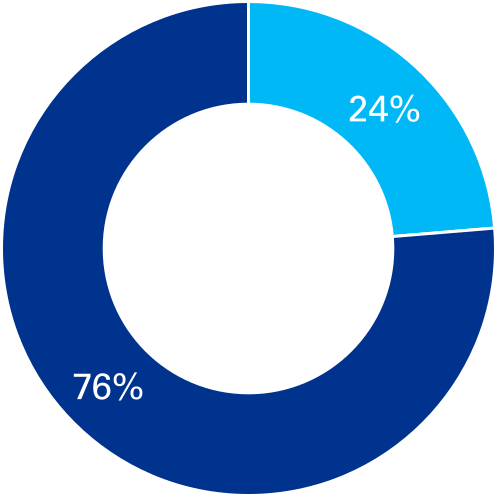
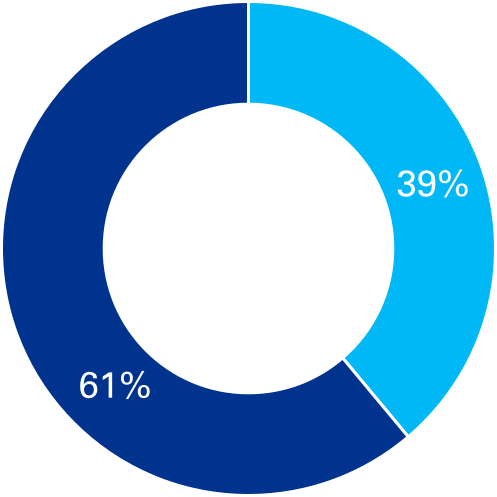
Canadians have among the lowest levels of training, literacy and trust in artificial intelligence systems in the world, new research from KPMG International and the University of Melbourne shows.
Trust, attitudes and use of artificial intelligence: A global study 2025 is the most comprehensive global study into the public’s trust, use and attitudes towards AI. The study surveyed over 48,000 people in 30 advanced economies and 17 emerging economies, including 1,025 people in Canada.
The study found Canada ranked 44th in AI training and literacy out of all 47 countries, and 28th among the 30 advanced economies, as defined by the International Monetary Fund (IMF). When it comes to trust in AI systems, Canada ranked 42nd out of 47 countries and 25th out of 30 advanced economies.
The findings underscore the need for increased investments in education, training and regulation to build Canadians’ trust in AI and use it as a strategic tool to help solve the country’s productivity crisis, says Benjie Thomas, CEO and Senior Partner of KPMG in Canada.
“Canada’s economy is facing multiple pressures – U.S. tariffs are upending global trade systems, geopolitical shifts are increasing operational risks, while technology advances at lightning speed. Now is the time for our organizations, institutions and governments to act boldly to boost prosperity and advance our competitive position - AI offers us a once-in-a-lifetime opportunity to do that,” says Mr. Thomas.
“Low literacy in AI is holding Canadians back from trusting the technology, and that’s a major barrier to adoption. The more Canadians know about AI, the more likely they are to trust it and use it. We need to get Canadians and Canadian organizations excited about using AI because it can help boost our productivity and create a more competitive and dynamic economy,” Mr. Thomas adds.