The rising popularity and frequency of AI-generated deepfake scams is keeping Canadian business leaders up at night, with new KPMG in Canada research showing that nearly all organizations that have been defrauded are concerned it could further increase the risk of fraud.
In a survey of 300 Canadian organizations victimized by fraud, leaders said they are very concerned (95 per cent) that the threat of deepfakes has increased the risk of fraud at their companies, with 91 per cent worried that generative AI will give criminals more opportunities to launch corporate misinformation and disinformation campaigns using deepfakes.
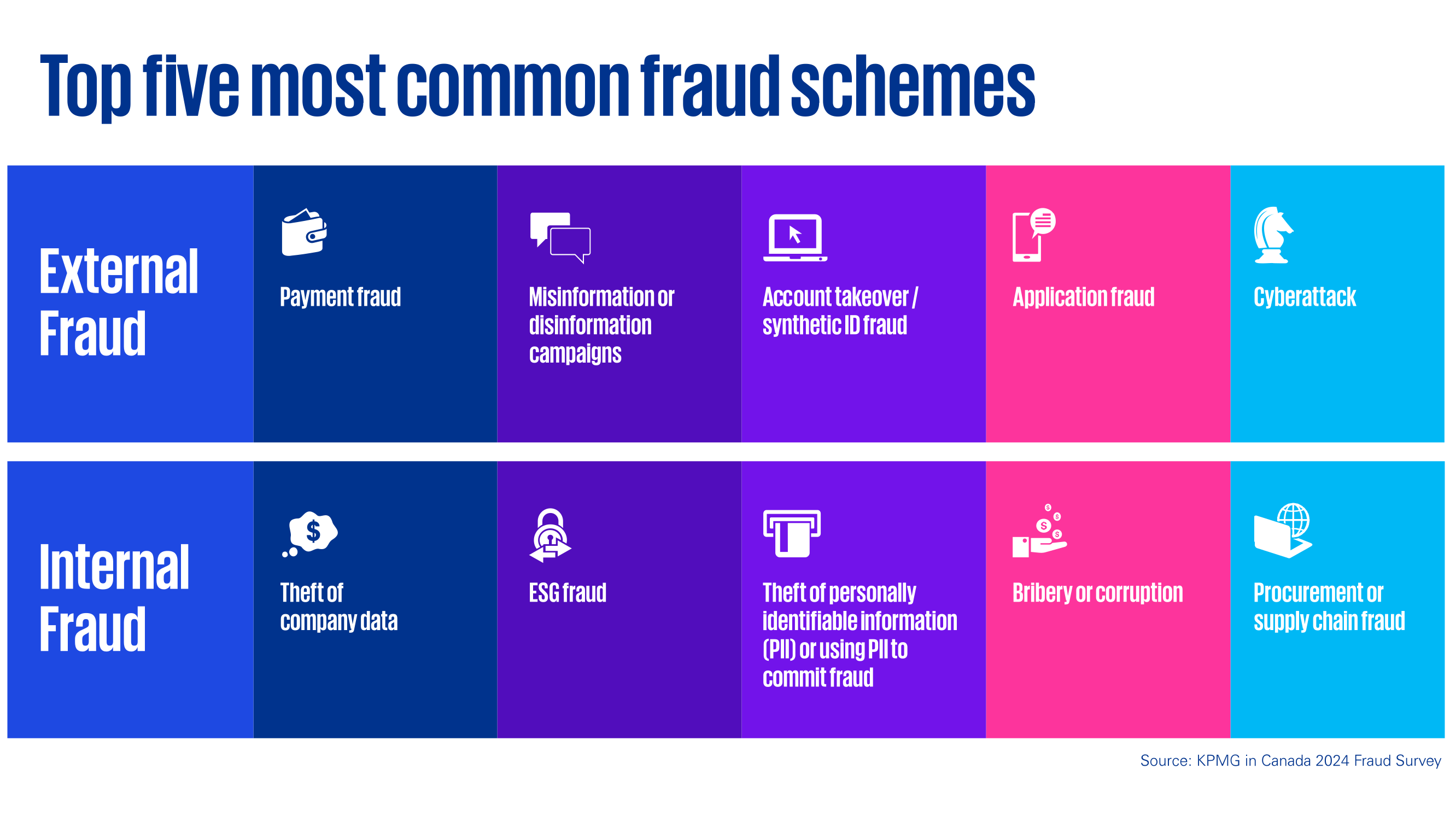
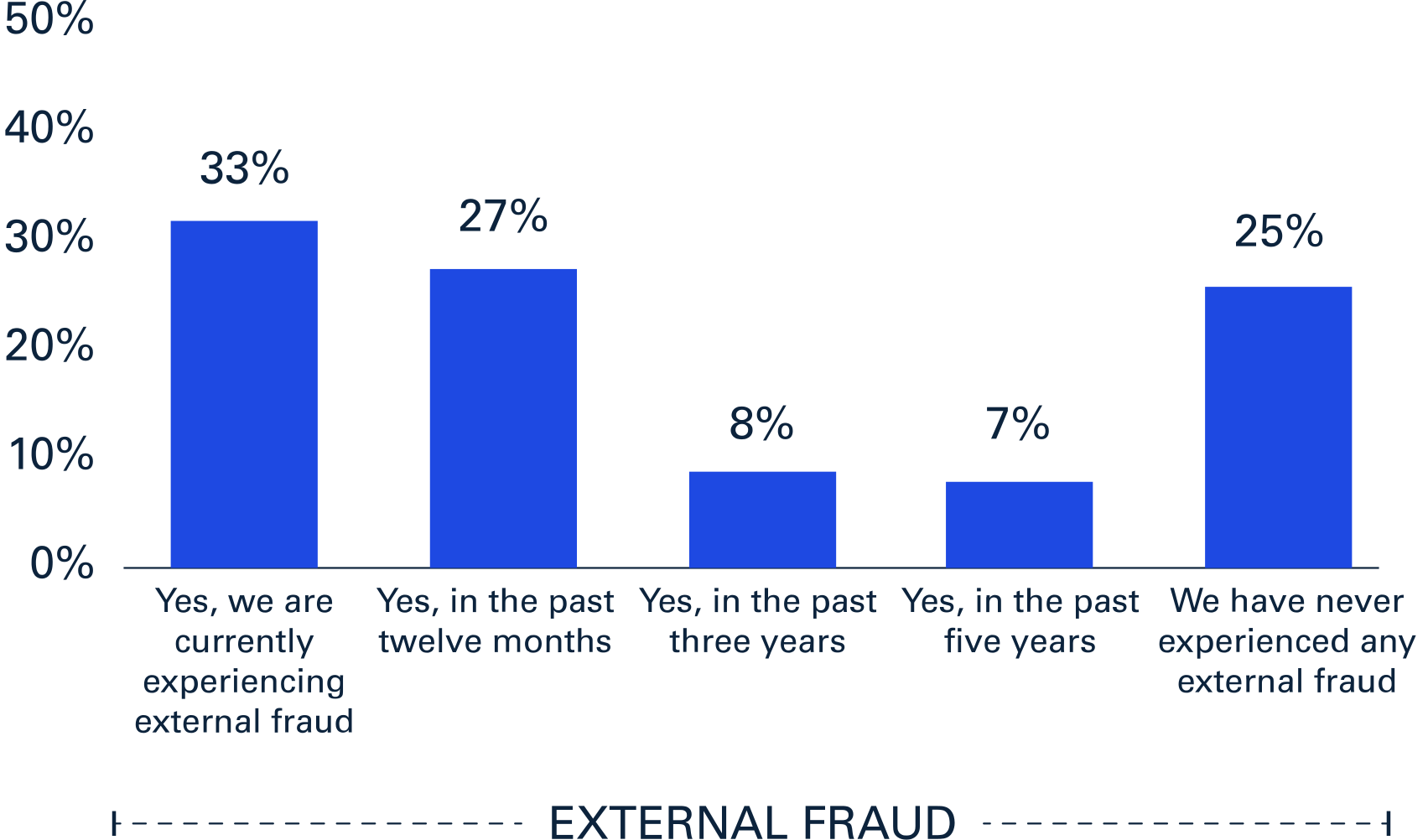
Nearly one third (31 per cent) of organizations that have experienced external fraud have been the target of misinformation or disinformation campaigns (where outsiders spread false or misleading information on social media).
“Because fraud is rarely reported to the police, we wanted to speak to business owners and C-suite leaders across Canada to get a deeper understanding of how the evolving fraud landscape of new technology, a shifting economy, geopolitical tensions and remote work was giving perpetrators the opportunity, motivation and rationalization to commit fraud,” says Enzo Carlucci, National Forensic Leader at KPMG in Canada.
“Respondents overwhelmingly told us the fraud landscape is becoming more complex, with 95 per cent saying generative AI and social engineering scams make it easier for fraudsters to deceive, manipulate, misrepresent and conceal their crime. As fraudsters are becoming increasingly sophisticated in their attack methods, it’s more and more challenging to deter criminals,” he says." Organizations need to find new ways to strengthen their anti-fraud programs and stay one step ahead of scammers, or else they could be facing increased financial, legal, regulatory and reputational risks,” Mr. Carlucci adds.