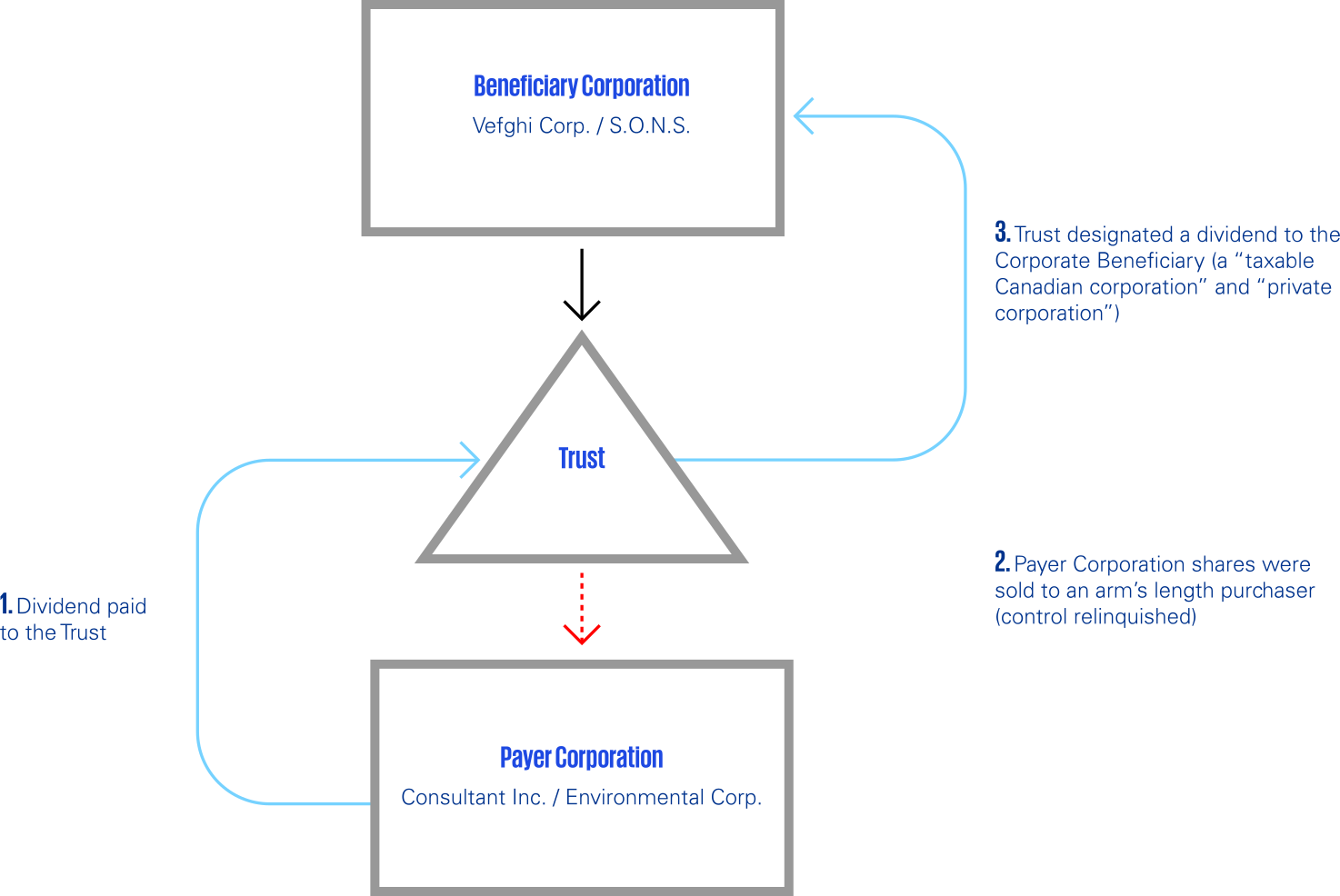
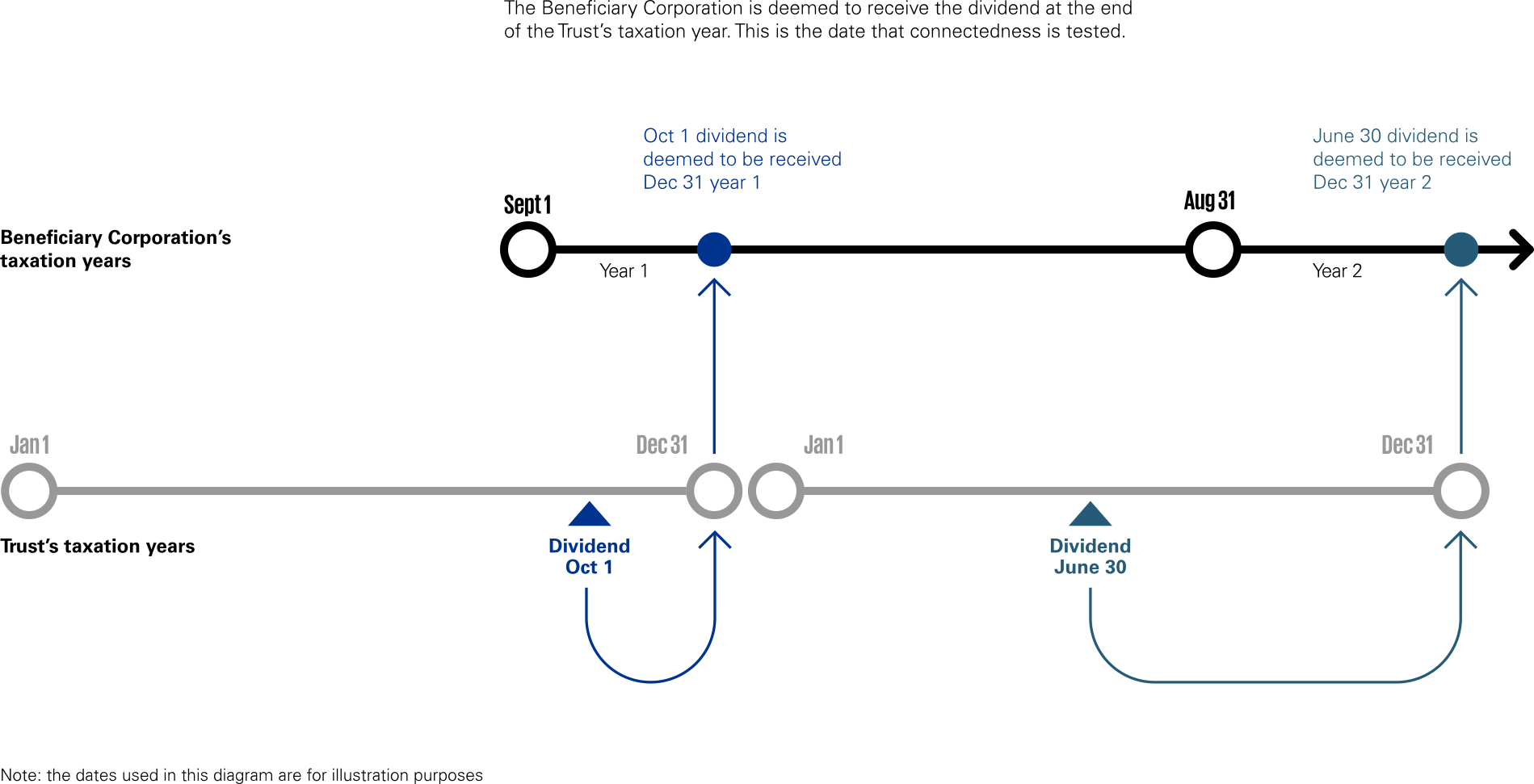
The taxpayers argued that connectedness for the purpose of Part IV tax should be tested when the dividend is declared and paid by the payer corporation. They argued that declaration and payment of dividends are actions that are closely tied to control or significant influence. In contrast, the time at which a dividend is deemed to be received by a beneficiary of a trust is not an action of a payer corporation and is governed by provisions (i.e. subsection 104(19)) that do not share the same purpose as Part IV.
Unlike the Crown, which began its argument with subsection 104(19), the taxpayers began their analysis with section 186 and Part IV tax imposed on dividends received from unconnected corporations. The taxpayers argued that section 186 does not specify a time in which the determination of connectedness must take place, beyond that it is made at a specific point. Instead, the word “received” in section 186 refers to the year that Part IV is payable, and not the time at which the connectedness is tested.
Finally, the taxpayers referred to the purpose of Part IV tax, highlighting that it was intended to reduce or eliminate tax deferrals on portfolio investments, and that connectedness is used to distinguish a portfolio from a non-portfolio investment. This line is drawn, in part, by asking whether a recipient had at least a substantial influence over whether a dividend is declared or not.
In the alternative, the taxpayers argued that if connectedness is to be tested at the time of receipt, as the Tax Court concluded, connectedness should be tested when the trust, not the beneficiary corporation, receives the dividend.