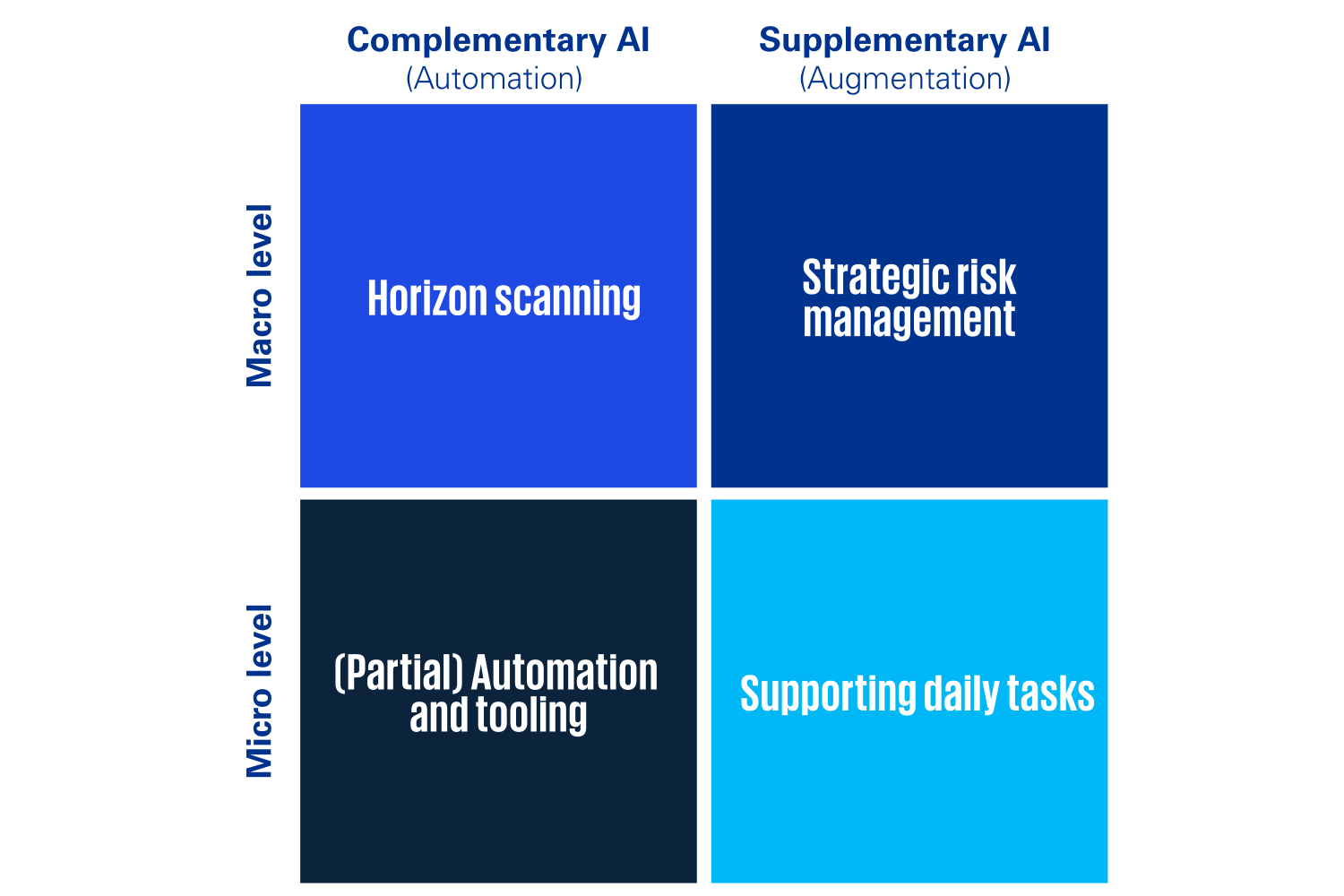
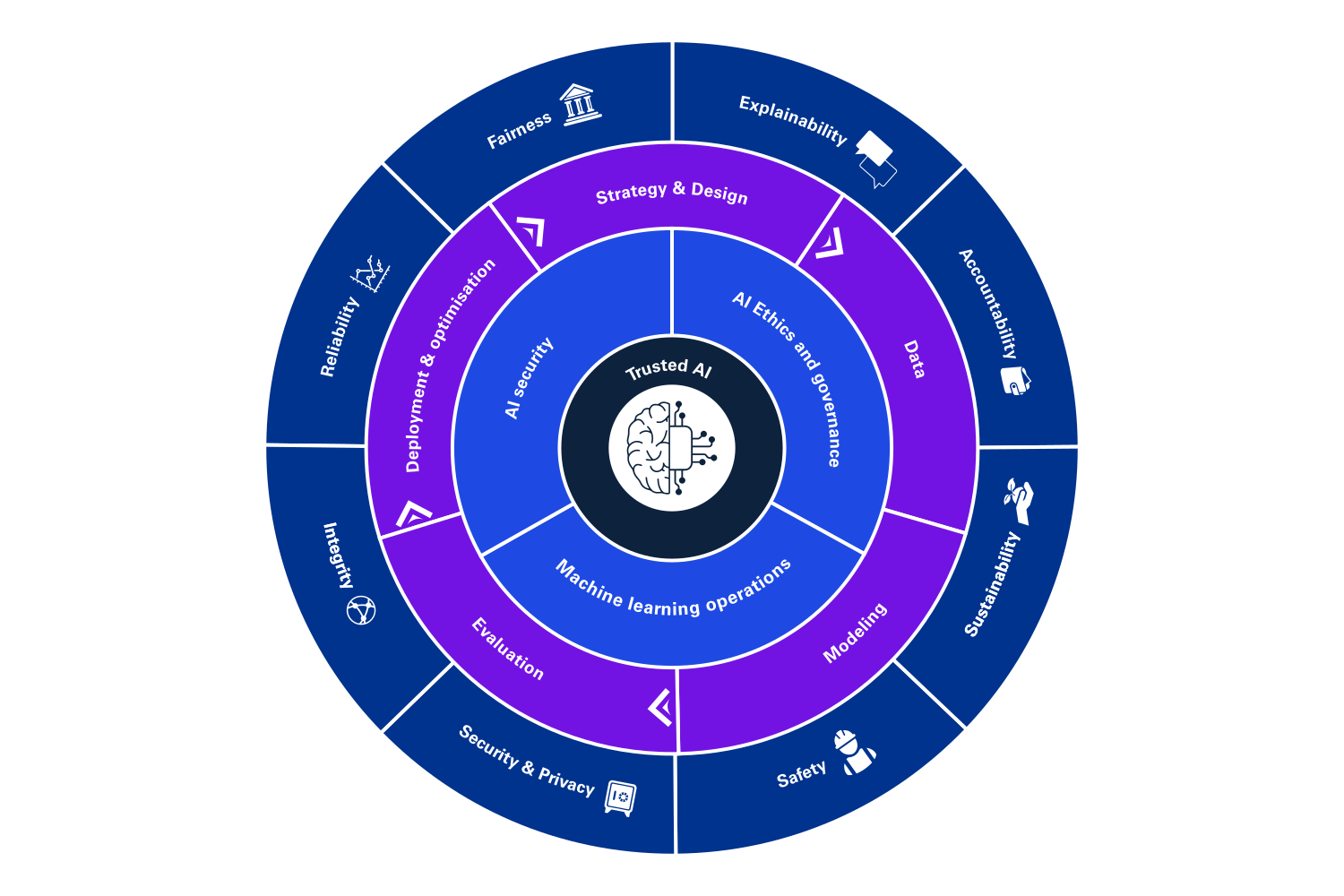
Risk professionals maintain responsibility over the output of these tools, but do so from an oversight perspective rather than a performer perspective. These tools require oversight not just to ensure their output can be relied on, but also that they are continuously trained over time to ensure the model adapts itself along with the field they are deployed in.
Supplementary AI refers to AI systems, or other systems that are supported by AI, that are actively used by risk professionals. Systems such as Microsoft Copilot, that can support various tasks performed by a risk professional, fall under this category. The concept of “human in the loop” is easier to maintain for supplementary AI than for complementary AI, but it remains critical that risk professionals validate the output of supplementary AI tools before relying on it.
The second differentiation is the level at which these tools are deployed in the organization. AI deployed at the macro level, in a risk context, refers to high-level or enterprise-wide tools that most often support strategic risk management. AI deployed at the micro level refers to the support of basic daily operations by risk professionals.
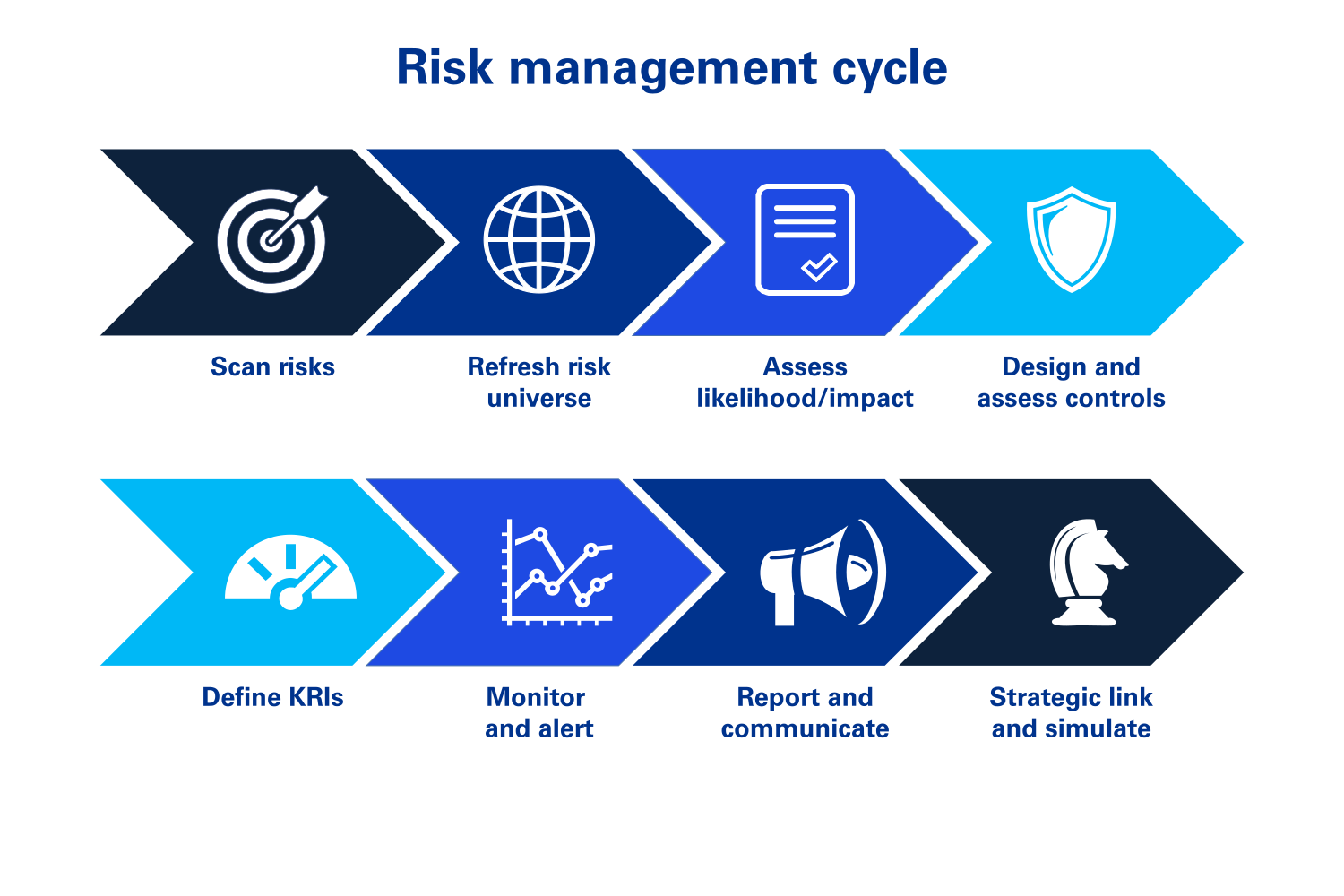
When plotting this on a 2x2 matrix, use cases can be identified in each quadrant. The required governance for these is dependent on their place in this quadrant, with complementary AI requiring stronger governance than supplementary AI, and the macro-level AI requiring stronger governance than micro-level AI. While the required level of governance increases, so does the required data infrastructure and maturity of the organization. AI tools become more effective and efficient with better data quality and data availability, as they depend on context that needs to be manually provided to the tool if the required data isn’t inherently available. This higher level of required governance and infrastructure does come hand in hand with a higher potential upside for the risk professional, however, with the added value shifting from ad hoc efficiency gains toward integrated improvements along the value chain. Plotting these four quadrants against a standard risk management cycle additionally allows for visualization of where this value gets added, and at what time.