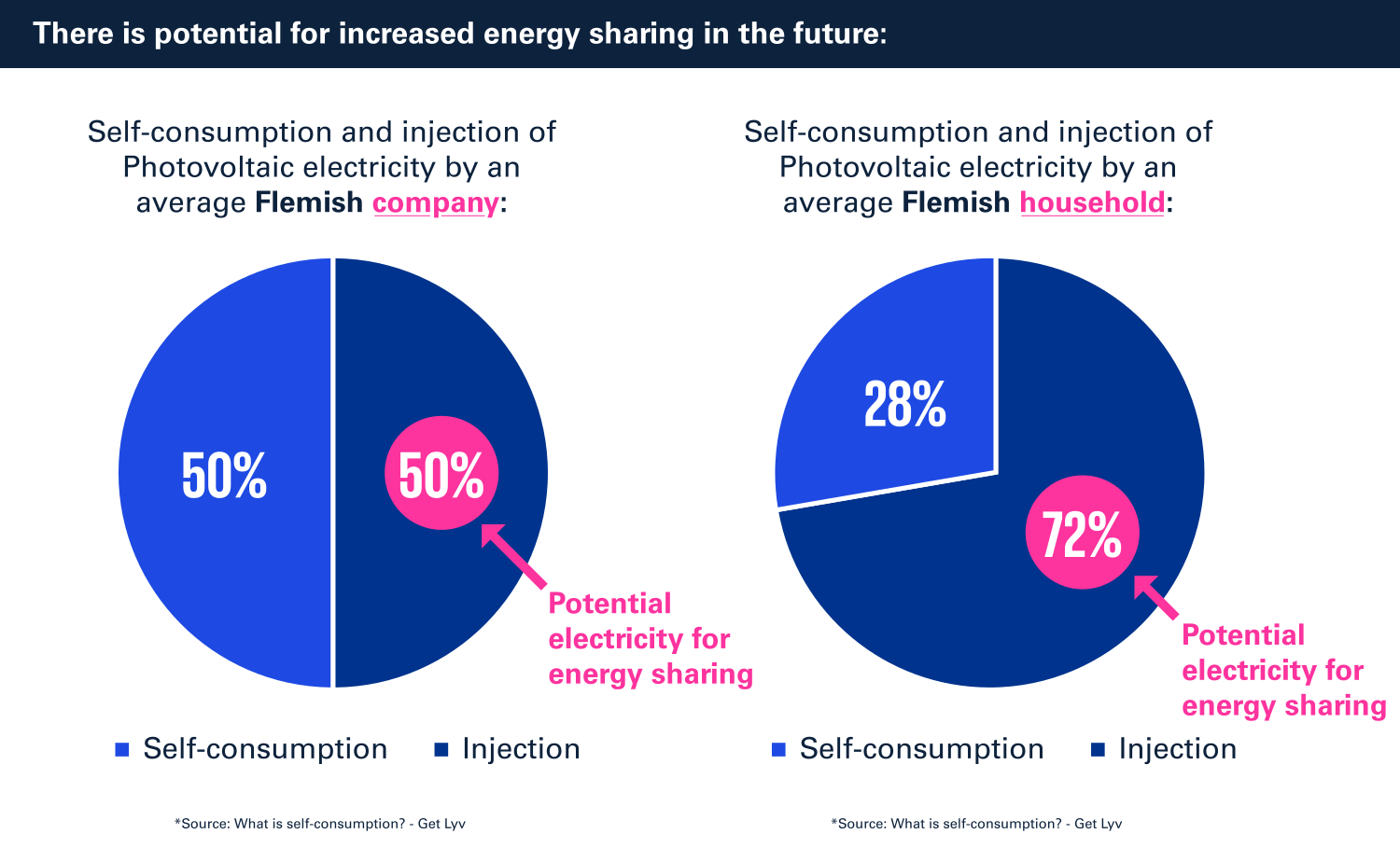
Although President Trump's attitude may present challenges, the EU remains resolute in its pursuit of sustainability and can adapt its regulations to continue to pursue these goals. The transition to green energy is still becoming increasingly important as organizations navigate regulatory frameworks such as the Clean Industrial Deal, CSRD, or RED II, and national directives that mandate investment in renewable energy. With electricity generation accounting for 25% of global emissions, energy consumption is a key driver of an organization’s carbon footprint across the value chain.
To address this challenge, organizations are adopting decarbonization strategies such as energy sharing and peer-to-peer energy sales. These approaches enable organizations to utilize locally produced green energy, reduce CO₂ emissions, and advance long-term sustainability goals. Beyond the environmental benefits, energy sharing also fosters stronger community connections. For example, employees can sell surplus green energy back to their employer, creating a mutually beneficial model that supports both sustainability efforts and financial incentives for individuals.
This article explores the role of energy sharing in building a more sustainable energy strategy. We provide an overview of the concept, examine its benefits and challenges, and offer recommendations for policy improvements.
Why Energy Sharing?
Unlocking the full potential of energy sharing—or expanding its uptake—can bring significant benefits. These include increased use of renewable energy, lower energy costs, improved efficiency, enhanced grid resilience, empowered consumers and communities, and reduced carbon emissions. In the following sections, we first outline the different types of energy sharing before exploring the key challenges that need to be addressed to realize these benefits.