There are rapidly evolving consequences for businesses involved with the cross-border import of goods with greenhouse gas embedded emissions into the EU. This means that it’s not only EU-based companies that should be sitting up and taking note.
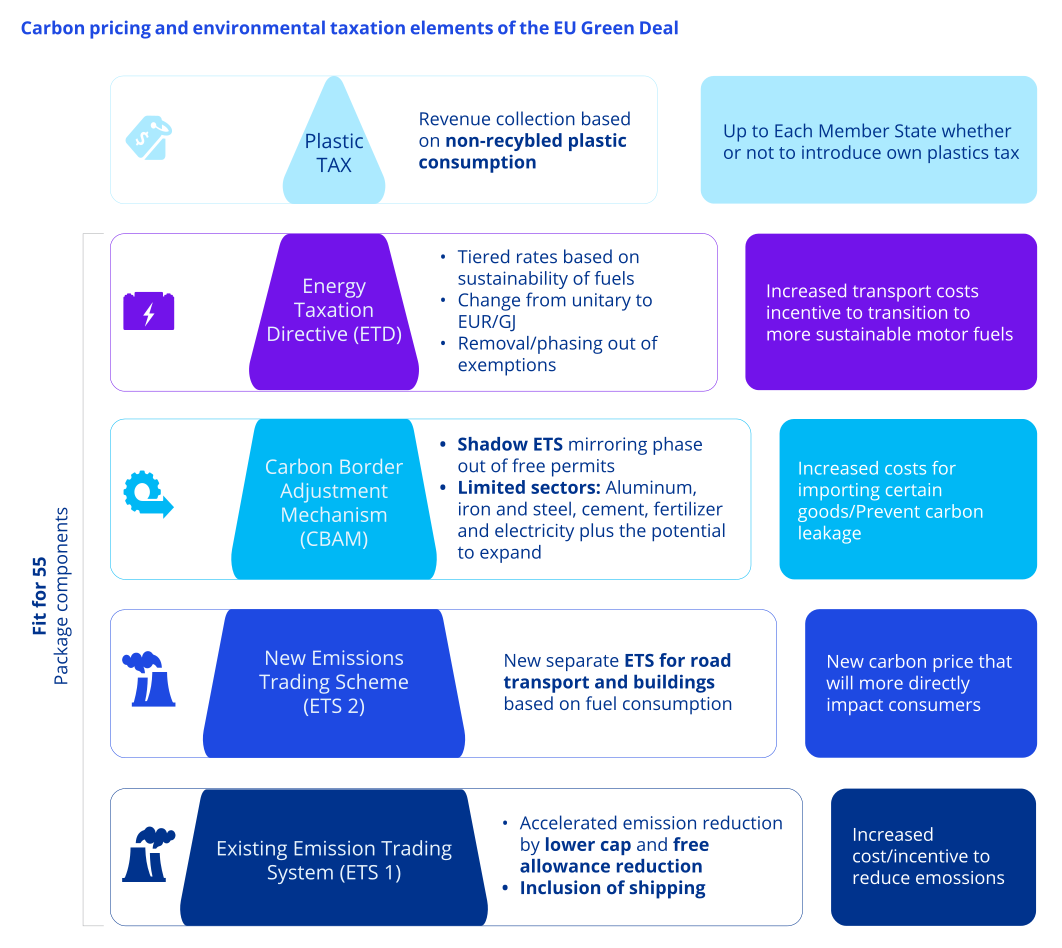
As a new carbon pricing framework in the EU, CBAM will have a transformational impact on companies engaged in international trade of the foreseeable growing list of covered commodities codes and is expected to reshape global trade.
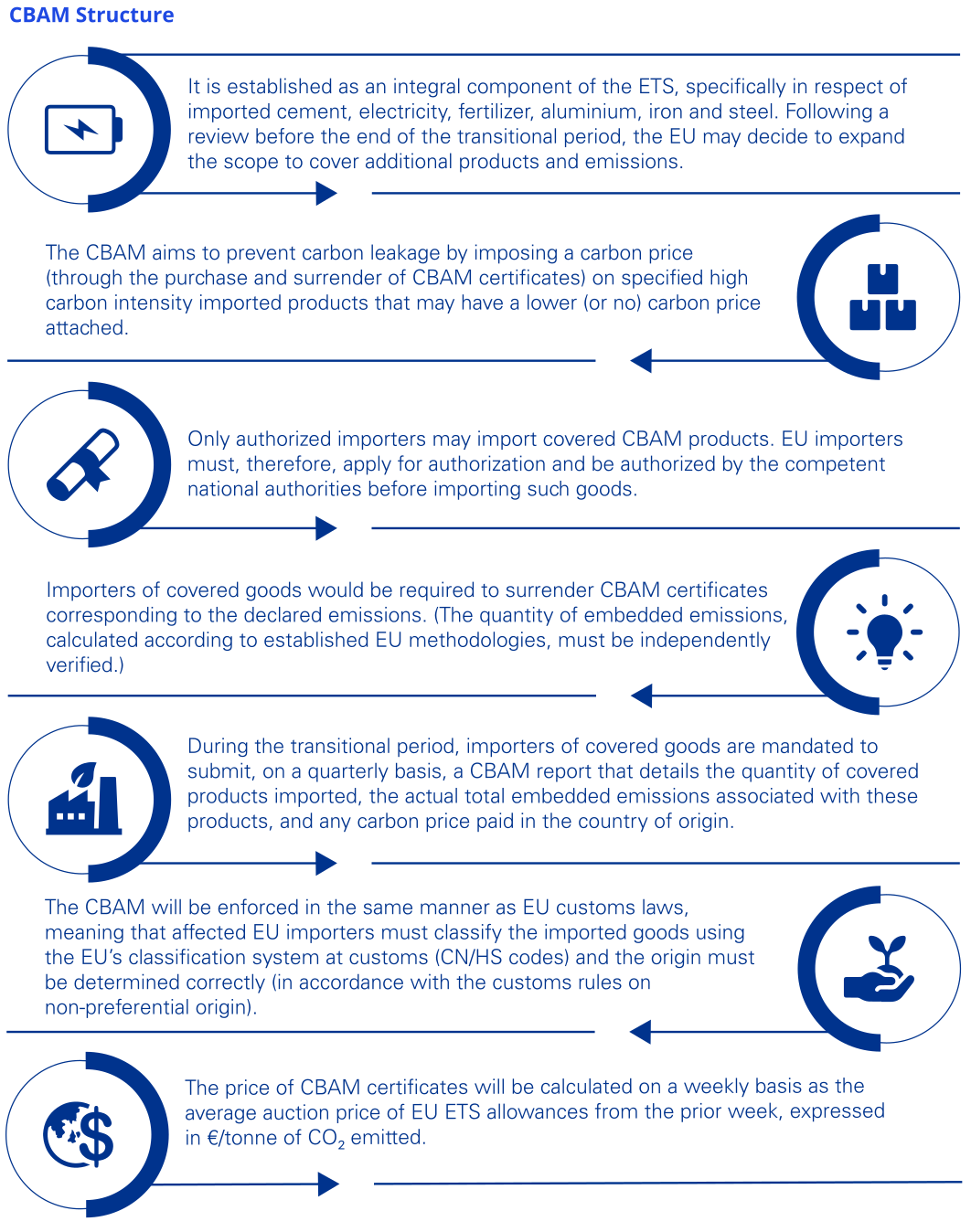
Some of the immediate direct impacts that EU companies may feel include possible higher import prices of covered goods (raw materials and base chemicals) and increased costs of secondary goods that have components of covered goods (vehicle manufacturers buying polymer parts that contain imported higher-priced raw materials and base chemicals). To sell covered goods to the EU, non-EU companies must implement carbon accounting to track the embedded emissions associated with these products (and have these embedded emissions independently verified), as this product-specific information must be provided to the authorized declaration upon importation. Additionally, supply chain disruptions may occur if imported goods are stopped at the border due to imported covered goods not being declared to customs by an authorized declarant or incorrect classification of goods according to the CN codes.
Impact on the chemical industry — a cause for concern?
Assuming that the ETS covers EU installations of chemical companies, changes to this system will directly impact chemical businesses and increase their carbon costs. Moreover, the chemical industry is already deemed at high risk of carbon leakage given its high trade and energy intensities leading to a significant risk of investment leakage. Combined with stabilizing demand and declining investments in the EU chemical industry, effective measures against carbon leakage are crucial to safeguard the EU’s competitiveness and the massive investments needed to achieve the climate transition.
The chemical industry value chain is very complex, interlinked, and diverse. Its products are used in and supplied to all sectors of the economy. If the CBAM is applied to the chemical industry, its effects are likely to be noticed in other sectors and industries as well. Polymers, organic chemicals,8 hydrogen, and ammonia could be included in the initial scope of products covered by CBAM. This will likely impact chemical companies’ supply and value chain directly, increasing costs and putting pressure on the industry.
Next steps
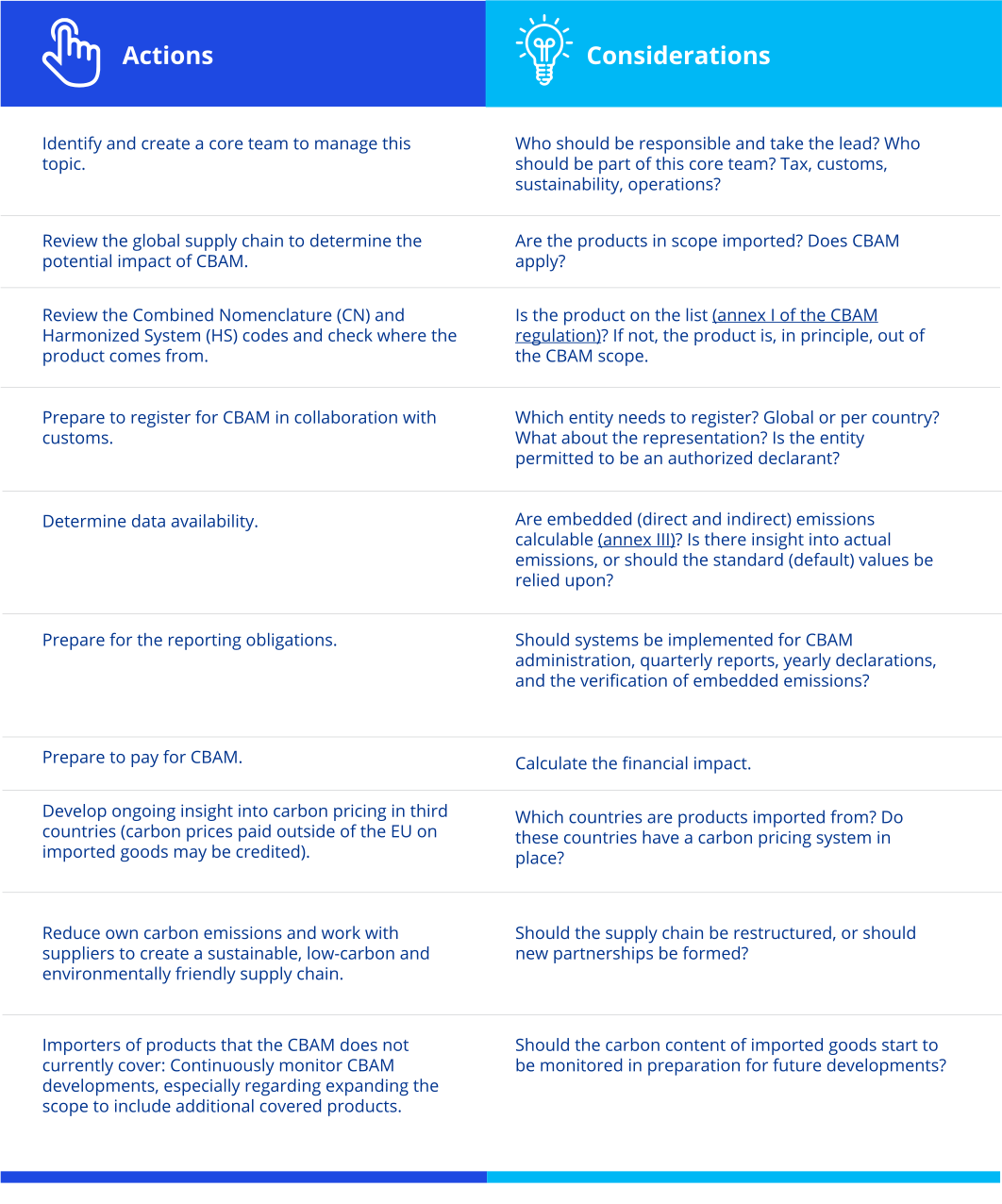
Businesses should already be preparing to adapt to the upcoming changes that are almost upon us. The most urgent item for companies to align themselves with the CBAM regulation is adherence to reporting obligations beginning 1 January 2023. As mentioned previously, businesses are required to report the embedded emissions in imported goods every quarter (during that quarter of a calendar year), detailing the direct and indirect emissions, as well as any carbon price effectively paid in the country of origin.
For businesses to achieve a smooth roll-over in the upcoming transition period (from reporting to financial obligations by 2026/2027) and minimize the disruption to their business model and costs, all importers of initial covered products - both those included (i.e., cement, iron and steel, aluminium, fertilizer, electricity) and those potentially included (i.e., polymers, organic chemicals, hydrogen, ammonia) - must be ready for these transitional period reporting obligations.
As more products fall into the scope of the expanded execution of CBAM, more and more businesses will need to prepare for its implementation. It is critical for companies and importers of CBAM goods into the EU to remain well-informed of these developments and begin evaluating the overall impact on their business activity, which may not be limited to a view on their customs data only, but also impact their sourcing and supply chain.
Few companies will know in what country the actual emissions relating to the development of their goods were generated. Companies that consume covered products could face significant additional cost pass-through from existing suppliers due to the emissions occurring in geographies without commensurate low carbon policies and those associated with transporting the goods to the EU. Organizations should ensure that they understand the geographical composition of their emissions to enable them to undertake a supply chain review, where required, making conscious cost versus carbon trade-offs and ensuring the resilience of their pricing model to the proposed changes.
Notwithstanding the administrative costs associated with this tax measure, businesses should begin focusing on the quality and availability of their data elements, prepare for a global supply chain review, and assess the implications of CBAM on their business model, set-up, and trade flow to stay competitive.
As more products fall into the scope of the expanded execution of CBAM, more and more businesses will need to prepare for its implementation.